What You’ll Learn:
- How to identify and document threats to your reputation effectively to build a strong case.
- Practical steps to manage and respond to defamation calmly, including legal options and online reputation management.
- Strategies for coping with the emotional impact of reputation attacks and maintaining your well-being throughout the process.
Your reputation is your most valuable asset. A single inaccurate statement or article can lead to emotional distress, financial loss, and even derail your career. Learn how business reputation management services can help you respond effectively. When someone attempts to tarnish your reputation, it’s more than an inconvenience; it’s a serious issue that requires immediate action and a clear plan.
Identifying the Threat to Your Reputation
Understanding the nature of the threat is the first step. Is it an inaccurate statement made online or spoken by a person at your workplace? Are you facing slander from a former colleague or harassment via social media? Identifying the source of these defamatory statements is crucial. Take time to gather evidence, including screenshots, witness statements, and any relevant written or spoken communications. This documentation will be invaluable if you choose to seek legal advice or report the matter to the appropriate human resources entity. Keeping a secure folder and maintaining a chronological timeline of events is essential for this process.

The Consequences of Inaction
It might be tempting to ignore the situation, especially if the damage seems minimal. However, the cost of inaction can be staggering. According to a study by the Reputation Institute, 60% of consumers avoid businesses with negative online reviews, resulting in lost revenue and opportunities. To navigate situations like this, consider working with an online reputation expert. If you fail to act promptly, you risk allowing inaccurate statements or defamation to solidify into perceived truths, making recovery harder. A person’s decision to forget or dismiss early signs can hurt their character and long-term reputation. It is crucial for any person affected to take proactive steps to protect their reputation.
Seeking Legal Advice
When facing serious reputational threats, getting legal advice early can be a vital step. A lawyer can help you understand your rights under the law, evaluate the strength of your case, and navigate complex defamation laws. Early consultation ensures you take the right course of action, whether it’s sending a cease-and-desist letter or preparing for potential litigation to prevent further harm under the law.

Regaining Control of Your Narrative
Once you’ve recognized the threat, it’s time to take action. Here’s a step-by-step approach to protect your reputation:
- Document Everything: Collect proof of the defamatory content, including screenshots, timestamps, and instances of harassment. Avoid responding emotionally or immediately on social media during a reputation attack.
- Consult a Legal Advisor: A lawyer can help you navigate the complex world of defamation and advise whether you have grounds for legal action or if sending a cease and desist letter is appropriate. To better understand the impact, explore the image and reputation. They can also help you decide on the best course of action.
- Respond Calmly: Craft a response that addresses the false claims. Focus on facts and avoid emotional language or speaking impulsively. If engaging is unavoidable, use the “Gray Rock” method to be polite but disengaged during a reputation attack.
- Engage Your Support Network: Inform family, friends, your line manager, and employer about the situation. Their support can be invaluable for maintaining your mental well-being and addressing the issue effectively.
- Monitor Your Online Presence: Use tools to track mentions of your name or brand online. This proactive approach helps you address issues before they escalate and helps maintain your public image. In today’s digital world, online reputation management is crucial to prevent or promptly address any new instances of defamation. Tighten privacy settings, review old public posts, and separate personal and professional accounts.
Exploring Your Legal Options
When false statements have caused significant harm, seeking legal remedies may be necessary. To better navigate this process, explore this complete guide to individual online reputation management to protect and enhance your digital image. Understanding defamation law and harassment policies is imperative. Defamation, which can be called libel when written or slander when spoken, occurs when someone makes false statements about you or your business that hurt your reputation. In the UK, a defamation claim can be brought if false statements were made within the last 12 months and cause, or are likely to cause, serious harm. You may be able to file a claim, but consider it carefully. The process can be lengthy, and weighing the potential benefits against the emotional and financial costs involved is important. Deciding whether to escalate the matter legally or resolve it through alternative channels should be done with professional advice.
Learning from Personal Experiences
Consider the case of Maria, a marketing executive who faced slander from a disgruntled colleague. False statements about her work ethic spread like wildfire on social media. Instead of panicking, Maria documented the claims and consulted a legal advisor. Within weeks, she had crafted a formal response and engaged her network to clarify the truth. The outcome? She not only restored her reputation but also strengthened her relationships with colleagues, reflecting the importance of maintaining professionalism and effort throughout the process.

A Business Owner’s Challenge
James, a small business owner, found himself in a similar situation when a competitor spread false statements about his product quality. By actively monitoring online reviews and directly addressing customer claims, James turned the narrative around. He demonstrated his product’s quality and secured support from satisfied customers, driving a 30% sales increase in just six months. His plan to maintain transparency, respond swiftly, and manage the financial impact helped cease the spread of false information and protect his money.
Managing the Emotional Impact
Reputation attacks can deeply hurt the human behind the name. The emotional toll can include anxiety, depression, and social isolation. To better navigate these challenges, explore how to deal with someone trying to cause reputational damage. It’s important to acknowledge these feelings and seek support from trusted friends, family, or mental health professionals. Engaging in self-care and maintaining mental well-being are crucial during this time. Remember, the emotional impact of false accusations can be profound, often leading individuals to experience grief and turmoil, especially if they are already vulnerable.
Making the Choice: Act Now or Risk More
The difference between those who recover their reputation and those who suffer long-term consequences often boils down to timely action. Delaying your response risks further damage and signals disinterest to others. Act decisively to protect your name, and decide early whether to involve your line manager or legal counsel in the process.
Consulting a Legal Professional for Reputation Protection
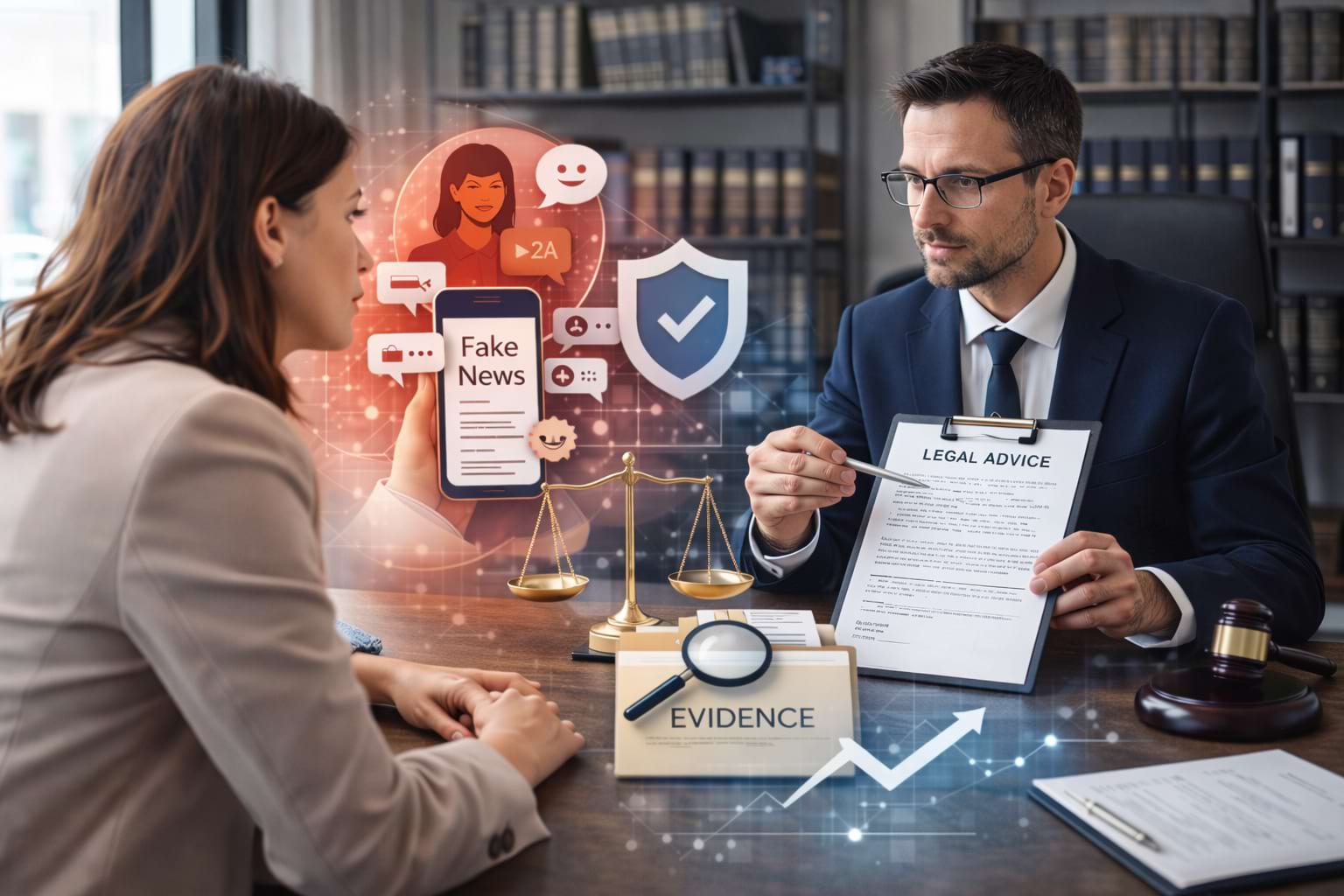
Engaging a legal advisor early in the process is essential when facing attempts to damage your reputation. A skilled lawyer can provide expert advice on your rights, help gather necessary evidence, and guide you through complex defamation laws to ensure the best possible outcome. Their support is invaluable in crafting effective responses and, if needed, pursuing legal remedies.
Take Control of Your Reputation Now
Now that you understand the stakes, it’s time to take action. If you find yourself in a situation where someone is trying to ruin your reputation, consulting a legal advisor is a crucial step. They can provide guidance tailored to your specific circumstances. Don’t let false statements dictate your life. Take control of your narrative today by reporting complaints promptly and maintaining a clear record of all instances.
FAQs About Responding to Defamation
Q1: What should I do first when I notice defamatory statements?
The first step is to document everything thoroughly. Capture screenshots, save links, gather witness statements if applicable, and preserve any written or recorded evidence. This documentation is critical if you need to dispute the content or take further action.
Q2: How can I respond to false statements without escalating the situation?
Respond in a calm, factual, and professional manner. Avoid emotional or confrontational language. Focus on clarifying the truth and providing accurate information while maintaining your credibility and composure.
Q3: When should I consider taking legal action?
If the defamatory content results in significant reputational damage, emotional distress, or financial loss, it may be time to consult a legal professional. They can advise you on options such as issuing a cease-and-desist letter or pursuing formal legal remedies.