
What does someone find when they look up your company before making a decision? A prospective customer may scan Google results and reviews. A journalist may read older coverage. A buyer may ask ChatGPT or Gemini for a summary, while another sees a Google AI Overview. If those views are inconsistent, outdated, or missing the facts that matter, your brand has an online reputation problem that a single reply or new social post will not solve.
ReputationPrime’s brand reputation management services bring those surfaces into one online reputation management program. We audit what people can find, prioritize inaccurate or damaging information, pursue corrections and removals where there is a valid basis, strengthen credible sources about your company, and track changes over time. The first step is a confidential assessment of the searches, reviews, and AI answers most relevant to your business.
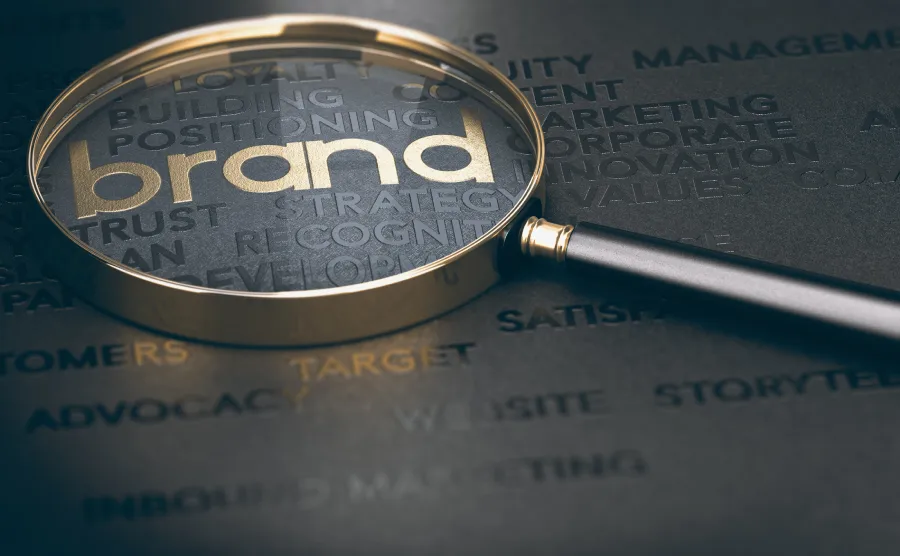
What Brand Reputation Management Services Cover
Online reputation management is the ongoing work of understanding and improving the public information that shapes trust in a company. It spans search results, company and executive profiles, news coverage, customer reviews, social channels, and AI-generated answers. It also reaches inside the business: recurring customer complaints cannot be repaired by publishing alone.
Our work begins with a specific decision journey. What does a customer, partner, investor, candidate, or reporter search for? Which sources are visible, and which claims are accurate? A company with one outdated news article needs a different plan from a multi-location brand with inconsistent listings and unresolved review themes. That difference shapes the brand reputation management plan and the reputation management strategies we recommend.
For the full service catalog, see our reputation management services. If a leader’s personal name is the main concern, the scope should also include the appropriate executive or personal reputation program.
Online Brand Reputation Management Across Search and AI
Online brand reputation management starts with the queries that shape a company’s online reputation: the company name, products, locations, leaders, “reviews,” “complaints,” and other terms that signal due diligence. We record Google results, image results, review panels, prominent third-party pages, and what other search engines display. We also test relevant prompts in ChatGPT search, Gemini, Google AI Overviews, and other answer engines when they are part of the audience’s research path.
In online reputation management, an AI answer is an observation, not a fixed ranking. It can change with the prompt, location, user context, source availability, and time. When an answer is wrong or misleading, we identify any cited sources, compare them with official records, and determine which underlying pages can be corrected or strengthened. Publishing clear, verifiable information can give search and AI systems better sources to consider. No agency can dictate an AI response or guarantee a citation.
Digital Brand Reputation Management Across Reviews and Social Channels
Online reputation management also covers the places where customers speak for themselves. We identify the review platforms that matter for your business, check whether profiles are complete, and look for patterns in positive reviews, negative feedback, and unresolved issues. An online reputation response policy assigns who replies, when a complaint needs private follow-up, and when a legal, safety, or privacy concern must be escalated. Customer feedback, including negative feedback and positive reviews, should be assessed alongside online reviews so that the response reflects the actual customer experience.
Social listening can reveal an emerging problem before it dominates branded search. But more posts are not a substitute for a better customer experience. The public message should match what the business is doing to resolve the issue. We coordinate with marketing, customer support, and leadership so that reviews, social responses, and official company descriptions tell a consistent, accurate story. Done well, social listening helps protect the brand’s reputation by finding complaints early and directing them to the right team.
Review Requests and Response Standards
In online reputation management, review work is most effective when it is routine, not an emergency reaction to a low rating. We identify the review sites that target customers actually consult, assign an owner for review monitoring, and document when to respond promptly or escalate a serious complaint. The process can request reviews from real customers after a genuine interaction, without screening out unhappy people or offering a reward for positive feedback. A response standard should aim for prompt acknowledgement, often within one business day when the team has enough facts, while reserving sensitive cases for escalation.
We compare Google reviews and other relevant platforms with support records to understand recurring customer concerns. A response should address the issue that was raised, protect private information, and offer a next step the team can fulfill. This is more useful than generic replies or chasing stars. Positive reviews can reveal strengths to preserve, while negative feedback can reveal recurring service problems that need an owner.
Tracking Mentions Into Actionable Insights
Online reputation management requires consistent monitoring of new reviews, social media conversations, news sites, and other online mentions. A simple tool such as Google Alerts can help track brand mentions, but alerts need human triage. We separate an isolated negative comment from a developing pattern, verify the source, and note whether the same claim is spreading across channels. Social listening and review monitoring belong in the same process, with customer feedback routed to the teams that can act.
Regular online reputation audits turn tracking mentions into actionable insights: which sources are gaining visibility, which complaints repeat, and which company facts remain inconsistent? The goal is a complete picture that helps the right team respond, not a dashboard full of alerts. Monitoring frequency and escalation rules should match the brand’s reach and business needs. The same report should group online reviews by location and record review monitoring response times so recurring issues are easier to act on.
How ReputationPrime Runs a Brand Program
Useful online reputation management follows a sequence: document the current picture, decide which problems are fixable, build reliable assets, and measure the result. That sequence prevents a team from spending months producing content while an inaccurate high-visibility source remains untouched. The right reputation management strategies depend on the brand’s reputation baseline, the sources customers actually see, and the evidence available for correction.
1. Audit the Current Brand Picture
An online reputation management audit inventories the results and sources that appear for priority searches. That includes owned pages, profiles, review sites, news coverage, social accounts, image results, and AI answers. We compare basic company facts—name, locations, services, leaders, contact information, and claims about the business—across those sources. We also look at what is absent: a missing official explanation can leave a third-party page to define the story.
Each issue receives a priority based on visibility, factual accuracy, likely business impact, and the realistic path to change. The audit produces a baseline, not just a list of mentions. It gives both teams a shared record of the problem and a way to check whether later work changed what people can find.

2. Correct, Remove, or Respond Where Evidence Supports It
Some negative information is inaccurate or violates a platform rule. Other material is accurate but lacks context. The response must fit the source. Options may include correcting an owned page, claiming a profile, contacting a publisher with evidence, reporting a policy violation, answering a review, or seeking appropriate legal guidance. We do not call suppression “removal,” and we do not promise that a publisher or platform will agree to a request.
For genuine customer criticism, a clear acknowledgement and useful next step usually serve readers better than a scripted rebuttal. We help define who approves public responses and what information must stay private. The objective is to address the underlying concern while preserving a credible public record.

3. Build Credible Sources That Explain the Brand
Online reputation management needs reliable source material for search engines and AI answers. Depending on the audit, that may mean clearer service pages, current company and leadership profiles, documented policies, useful explanations of a product, accurate business listings, or relevant third-party coverage. Every asset should answer a real question and be supportable by the company’s records. Manufactured reviews and invented media coverage create more reputational risk.
We align the facts across official pages and external profiles so a reader can verify who the company is and what it does. Content marketing and public relations have a role when they produce useful, attributable information; volume alone is not the goal. Readers who want an internal workflow can use our brand reputation management operating plan. Authoritative company pages, leadership profiles, and relevant third-party coverage form a verifiable brand narrative for readers, search engines, and AI answer systems.
4. Monitor, Escalate, and Report
A brand’s reputation changes after the initial campaign. New reviews, articles, search features, and AI answers can alter the picture. We set monitoring intervals and escalation rules around the business’s exposure. A routine new review should not trigger the same response as an inaccurate claim spreading across news and social platforms.
Reporting should show the baseline, actions completed, source changes, movement on priority searches, review themes, and documented AI-answer observations. It should also explain what did not change and what will be tried next. We recheck comparable prompts and locations when evaluating AI answers, but we do not present a small sample as a universal “AI reputation score.”
How AI Search Changes Brand Reputation
ChatGPT, Gemini, Google AI Overviews, and other answer engines can combine information from several sources into one response. A buyer may see that summary before opening a company website. The answer may omit context, rely on an old page, or vary from one question to the next. That makes source accuracy and consistency more important, not less.
Our approach is to inspect the answer and its sources, verify the disputed claim, fix information the brand controls, seek corrections from other publishers when justified, and publish clear official evidence. We then test the relevant questions again and record what changed. We cannot force any platform to cite a page, remove an answer, or adopt a preferred description. For clients whose main problem is a person or company’s AI portrayal, our AI reputation management services cover that work in greater depth.
AI monitoring belongs beside conventional search monitoring within online reputation management. Google’s results, review panels, and publisher pages can all influence what an AI system finds or what a reader checks next. A credible brand presence therefore needs accurate sources across the whole journey, not a separate set of “AI-only” claims.
Checking Sources Behind AI Answers
When ChatGPT, Gemini, or Google AI Overviews show a concerning statement, we save the exact prompt and response, then inspect linked sources when the product provides them. We compare the claim with official company information and independent evidence. If the source is outdated, we pursue a correction at that source; if reliable context is missing, we make the official explanation easier to find and verify.
We conduct regular audits of a defined prompt set rather than assume one answer represents every user. That yields a useful trend without treating a changing AI response as a guaranteed ranking. It also helps the company identify where its own pages, review profiles, or third-party descriptions conflict.
Reputation Management for Brands at Different Stages
Reputation management for brands is not limited to companies in crisis. A growing company may have sparse search results and inconsistent descriptions. A multi-location business may have conflicting hours, profiles, and review experiences. An established brand may face persistent coverage of an old event. A company in an active crisis needs a fast, evidence-led response and a clear approval chain.
The scope of online reputation work changes with the situation. A proactive program can establish accurate assets and response standards before a problem becomes visible. A repair program may require publisher outreach, review-response work, and a longer content and search strategy. In either case, we identify the people who own the underlying facts. Reputation work is strongest when operations, support, marketing, and leadership can act on what the audit reveals.
What Progress Looks Like—and What It Does Not Guarantee
Before online reputation work starts, we agree on the priority questions and a baseline. Progress can include corrected company facts, more complete official profiles, resolution of eligible removal requests, stronger visibility for useful assets, better review-response coverage, and fewer repeated customer complaints. We also document how selected AI answers describe the brand and which sources they cite when citations are available. That starting point shows whether the brand’s reputation is improving in the places that influence a decision.
Search visibility, review averages, and AI answers depend on search engines and other people’s actions. They can fluctuate. An online reputation management report distinguishes work completed from outcomes observed, and it avoids attributing every change in leads or sales to reputation management. We do not guarantee first-page placement, deletion of lawful content, a particular star rating, or a favorable AI answer.
How to Choose a Brand Reputation Partner
Ask a prospective partner to show how it will decide what to fix first. Who owns new pages and profiles? What evidence supports a removal request? How are responses approved? Which searches, sources, and review platforms will be tracked? What happens after the first campaign? The answers should be specific enough to review, not a promise to “control the narrative.” A reliable partner should explain how each action is expected to affect the brand’s reputation and how that effect will be checked.
Also ask how the provider separates a brand-level program from ordinary monitoring software. Tools can alert a team to mentions, but a tool cannot verify a disputed claim, negotiate a correction, improve a service issue, or approve a sensitive public statement. Those steps require accountable people and a process tailored to the business. Reputation management requires a plan for both detection and resolution, with named owners for each step.
When a Brand Issue Needs a Crisis Response
A sudden event calls for a different cadence from routine monitoring. First, establish what happened and what is still unknown. Identify affected audiences, preserve relevant records, and appoint a person who can approve the public response. A premature denial or an unverified explanation can create a second problem.
We map where the claim is spreading: original publisher, search results, review sites, social posts, and AI summaries. The team can then separate facts that need correction from criticism that needs a direct response. When the issue involves safety, employment, litigation, or private information, the right internal specialists should lead those decisions. Online reputation management supports that process; it does not replace legal or operational judgment.
Crisis Management Plan and Escalation
A useful crisis management plan names the decision-makers, approval times, evidence requirements, and channels to monitor. It identifies when to acknowledge a problem publicly, when to move a customer conversation to a private channel, and when to provide an update even if a final answer is not ready. After the immediate response, we keep tracking the sources and search results that may persist long after the news cycle.
Before a Crisis Response Goes Public
We gather the facts, identify the target audience for each message, and check whether online conversations differ from what the organization knows internally. A statement for affected customers may need different detail from an update to partners or employees. Public relations, support, and leadership should agree on a response that is accurate now and can be updated as new facts emerge.
What Your Team Receives
A proposal should identify the work product, not simply promise a better reputation. The initial assessment includes a prioritized source map and a baseline for the searches and AI prompts that matter. The action plan identifies content or profile corrections, eligible outreach, review-response needs, and new assets worth creating. We assign owners so the client knows which tasks require its approval or evidence. A reviewable scope also identifies the reputation management strategies, the owner of each task, and when results will be checked.
Reporting That Separates Actions From Outcomes
Ongoing reports distinguish what the team did from what changed in public view. They should identify corrected pages, outreach status, new authoritative assets, review themes, search-result movement, and sampled AI answers. If a result has not moved, the report should say so and explain the next decision. This makes progress reviewable without implying a guaranteed timetable.
A Baseline the Client Can Recheck
The online reputation baseline records priority search results, prominent review profiles, company descriptions, and selected AI answers with dates and locations. It also identifies the target customers and decision points behind those checks. Later reports can show which sources changed, which negative comments remain visible, and whether the work is reaching the audience that matters. That is more useful than an unexplained reputation score.
Why a Monitoring Tool Is Not the Whole Service
Brand reputation management tools can collect mentions, alert staff to new reviews, and help organize responses. Google Alerts and specialist platforms may be useful inputs. They do not decide whether a claim is true, obtain a publisher correction, resolve a service failure, or create a sound public explanation. A brand still needs accountable people to investigate, approve, and act. Tool reports can flag a change in the brand’s reputation, but staff must verify the underlying event before acting.
Software and human work should reinforce each other. Monitoring finds a signal; the program determines whether it matters, who owns it, and what response is justified. That distinction is particularly important for enterprise companies and multi-location businesses, where one local review issue may require a different response from a national media story.
Frequently Asked Questions
Can you change what ChatGPT, Gemini, or Google AI Overviews say about our brand?
We can investigate the sources and claims behind an answer, correct information under your control, pursue justified third-party corrections, and create stronger factual sources. We then monitor relevant prompts. We cannot directly control or guarantee what an AI product will say.
Can negative search results or reviews be removed?
Sometimes. Inaccurate material or content that violates a platform’s policy may qualify for correction or removal. Lawful, accurate criticism usually does not. In that case, the work may involve a factual response, resolving the underlying issue, and improving the visibility of useful, credible information.
How long does brand reputation management take?
Urgent triage and a response plan can begin quickly, but publisher decisions, search-result changes, and durable source development take longer. The timeline depends on the number of markets, the authority of existing sources, the accuracy of the material, and the work the company can support.
How much do brand reputation management services cost?
Pricing depends on the scope: the number of brands and locations, source complexity, urgency, content needs, and monitoring cadence. An assessment should separate one-time repair work from ongoing management and explain what is included before you commit.
Request a Confidential Brand Reputation Assessment
Start with the searches and answers that matter to your business. ReputationPrime can review your priority Google results, relevant AI responses, review profiles, and visible sources, then recommend a practical order of work. Request a confidential assessment or call our team to discuss the situation. You will receive a plan grounded in what we can verify, with clear limits on what any provider can promise.
Request a Confidential Assessment