What You’ll Learn:
- The importance of a reputation campaign in building and maintaining a positive brand image that drives customer trust and business growth.
- Practical steps to launch an effective reputation strategy, including auditing your reputation, engaging with customers, and encouraging positive reviews.
- How neglecting your brand’s online reputation can impact sales and why taking timely action is crucial for staying competitive.
Consumer trust is rarer than a unicorn, and you need a reputation strategy to elevate your brand. Studies indicate that over 90% of consumers trust online reviews as much as personal recommendations, making the stakes higher than ever. Your brand’s online reputation could determine whether your next customer chooses you or a competitor. This underscores the critical role of effective business reputation management services in boosting your brand image and search engine rankings, turning your reputation into a valuable marketing asset.
Exploring the Online Reputation Landscape
Online reputation management goes beyond damage control; it’s a strategic marketing approach that boosts consumer satisfaction, enhances your brand’s image, and drives business growth. As consumers increasingly rely on social media platforms and review sites for decisions, maintaining a strong online presence across social media channels and online forums is crucial. Brands that overlook their online reputation often struggle against competitors who actively engage in reputation marketing. Incorporating reputation marketing amplifies positive brand content and leverages customer feedback and brand mentions to build trust with the target audience. This comprehensive approach forms the foundation of an effective reputation marketing strategy.

Understanding Your Brand’s Online Reputation
Your brand’s online reputation is the collective perception that customers, prospects, and the public hold about your business based on online information. It encompasses reviews, social media mentions, and presence on platforms like Google Business Profile. Managing this reputation effectively is essential because it influences customer trust, impacts search engine rankings, and directly affects your ability to attract and retain customers. Implementing comprehensive white-label online reputation management involves monitoring and responding to feedback to ensure your brand’s image remains positive and trustworthy.
How Customer Satisfaction Strengthens Reputation Strategy
Customer satisfaction is the foundation of any successful reputation strategy. Satisfied customers are more likely to leave positive reviews, share their experiences on social media, and recommend your brand to others. Prioritizing customer satisfaction in your marketing campaigns not only improves your brand’s image but also creates loyal advocates who contribute to ongoing business growth. Engaging with customers and promptly addressing their feedback demonstrates your commitment to quality and fosters trust, a key aspect of reputation management.
Reputation management requires a proactive approach to collecting and responding to customer feedback. By integrating reputation management practices into your strategy, you can identify areas of improvement and build stronger relationships with your audience. Effective reputation management also means addressing negative comments professionally to prevent damage to your brand’s reputation and turning potential issues into opportunities for growth.
Driving Business Growth Through Reputation Strategy
A reputation strategy is a powerful catalyst for business growth, as it builds a positive reputation that attracts and retains customers. By implementing a proactive reputation-building strategy, fostering trust through authentic customer interactions, and amplifying positive feedback, businesses can expand their market reach and increase revenue sustainably. Reputation management plays a crucial role in this process by continuously monitoring your brand’s online presence and ensuring that your reputation remains favorable.
Implementing reputation management tools and techniques enables companies to anticipate potential crises and maintain a consistent brand image. This ongoing reputation management effort not only supports customer acquisition but also enhances customer retention, which is vital for long-term success.
Optimizing Your Google Business Profile for Enhanced Visibility
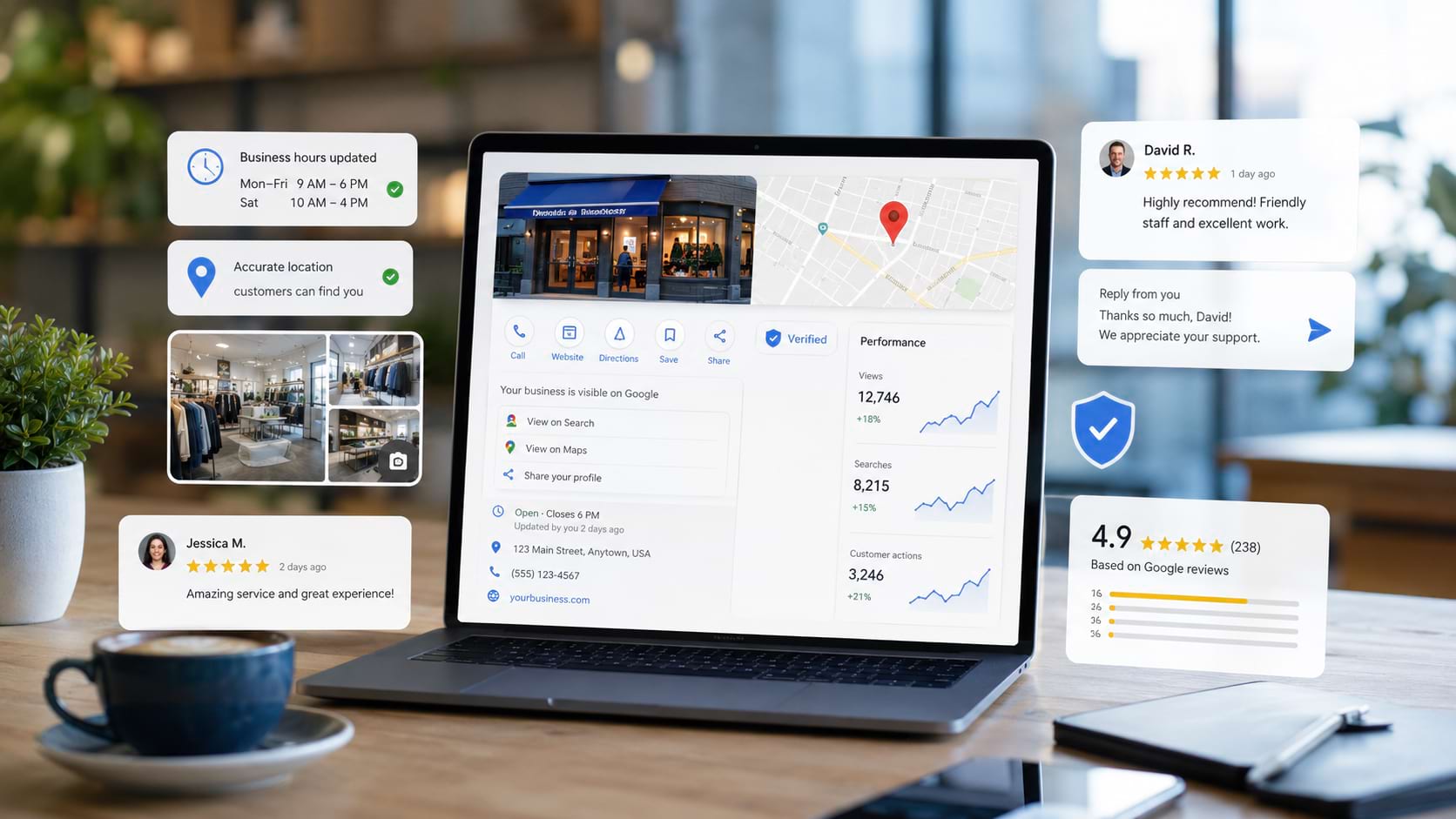
Your Google Business Profile plays a crucial role in shaping your online reputation and local search presence. Keeping your profile up to date with accurate information, responding to reviews, and showcasing positive customer experiences can significantly boost your brand’s credibility and attract more local businesses and consumers. This optimization is a key component of reputation management, as it directly influences how your business appears in search engine results.
Regularly updating your Google Business Profile and engaging with reviews are essential for reputation management. They demonstrate to both customers and search engines that your business is active, responsive, and values customer feedback. Incorporating reputation management into your local SEO efforts improves your visibility and ensures your brand is represented positively across all digital touchpoints.
Leveraging Influencer Partnerships to Amplify Your Reputation
Influencer partnerships are an effective reputation strategy to extend your brand’s reach and credibility. Collaborating with trusted voices in your industry lets you tap into their loyal audiences, creating authentic endorsements that enhance your community’s reputation and drive customer engagement. This approach is a valuable component of online reputation management, helping to spread positive messages across diverse platforms.
The Brand’s Image and Customer Experience
A strong brand image is built through consistently positive customer experiences. Every interaction, from initial inquiry to post-purchase support, shapes how customers perceive your business. Prioritizing customer satisfaction within your marketing strategy ensures that your reputation strategy is grounded in genuine value, fostering loyalty and advocacy among your audience. Effective online reputation management integrates these experiences to maintain and enhance your brand’s overall perception and positive reputation.
How a Reputation Strategy Directly Affects Your Brand
Take the example of a local coffee shop, Java Joy. After facing a wave of negative comments and negative reviews on Google Business Profile due to poor customer service, they launched a reputation strategy. They trained staff in social media management and customer engagement, established a feedback loop for continuous improvement, and encouraged satisfied customers to leave five-star reviews. Within three months, Java Joy experienced a 40% increase in positive reviews and a 50% rise in foot traffic. This case shows how reputation management strategies can directly influence customer sentiment, boosting sales and revenue by improving the company’s reputation and brand perception. A positive online reputation not only attracts new customers but also strengthens loyalty among existing customers.
The High Cost of Ignoring Your Reputation
What happens if you overlook your brand’s online presence? The cost can be staggering. Negative content can dominate search results, leading consumers to associate your brand with poor service or products. Research reveals that businesses can lose up to 22% of potential customers due to bad online reviews alone. Delaying action risks not only current customers but future ones, as today’s consumers quickly share their experiences on social media platforms and online forums. Negative comments and fake reviews can seriously damage your image reputation if not addressed promptly. Regularly monitoring your search results and media mentions is vital to maintaining control over your brand’s reputation.

Why Taking Action Now is Crucial
Many brands hesitate to start a reputation strategy due to perceived costs or doubts about effectiveness. But can you really afford to wait? While you ponder, your competitors are likely leveraging their positive brand image and loyal customers. Delaying can create a vicious cycle where negative feedback accumulates, further harming your brand’s reputation.
Addressing common objections can clarify your path forward. For example:
- “We don’t have the budget.” Effective reputation marketing doesn’t have to be expensive. Simple strategies, such as asking satisfied customers for positive reviews and engaging on social media, can yield high returns and protect your brand’s reputation.
- “We’ve never done this before.” Every successful campaign starts somewhere. You can begin with small, manageable steps and scale up as you see results, gradually enhancing your brand’s reputation.
- “I’m not sure it will work for us.” The success of reputation marketing is well-documented. Brands across industries have successfully turned their reputations around, leading to increased customer loyalty and sales.
Effective Reputation Marketing Strategy
An effective marketing reputation strategy integrates proactive monitoring, customer engagement, and content amplification to build and maintain a positive brand image. This strategy should include influencer partnerships to extend reach and credibility, while ensuring consistent responses to customer feedback. By aligning marketing campaigns with consumer satisfaction goals, businesses can foster loyalty and attract new customers, ultimately strengthening their brand’s reputation.
Marketing Campaigns That Amplify Your Reputation
Marketing campaigns focused on reputation leverage multiple channels to highlight positive customer experiences and brand values. These campaigns use social media, email marketing, and public relations to share authentic stories that resonate with your audience. Combining reputation marketing with traditional marketing campaigns creates a powerful synergy that elevates your brand’s visibility and trustworthiness, further enhancing your brand’s reputation through effective reputation management strategies.
How to Launch an Effective Reputation Strategy
Here’s a clear action plan to kick off your reputation strategy:
- Audit Your Current Reputation: Analyze your brand’s online mentions, reviews, social media comments, and media coverage to gauge your current standing.
- Engage with Customers: Actively respond to both positive and negative reviews. This shows you care about feedback and are willing to improve, which positively impacts your brand’s reputation.
- Encourage Positive Reviews: Set up a system for satisfied customers to share their experiences on online review sites, boosting review volume and five-star reviews.
- Create Valuable Content: Develop marketing materials that spotlight positive customer experiences, brand values, visual identity, and community engagement. Use strategic communication to highlight your positive image.
- Monitor Progress: Use key performance indicators to measure the effectiveness of your reputation marketing strategy and track improvements in SEO and search rankings.
Boost Sales Through Reputation Strategies
A well-executed reputation strategy can directly boost sales by increasing consumer trust and encouraging purchase decisions. Understanding what goes into a company’s reputation enables you to leverage positive customer reviews and authentic social media posts as powerful endorsements that influence potential buyers. By integrating these elements into your marketing campaigns, your business can see measurable growth in revenue and customer acquisition.

Addressing Fake Reviews
Fake reviews pose a significant threat to your brand’s reputation and can mislead potential customers. Implementing a robust monitoring system to identify and address fraudulent and negative feedback is essential. Responding transparently and reporting fake reviews and negative feedback to platform administrators helps maintain your brand’s integrity and protect your customer experience.
Deciding to Act
Taking the first step in your reputation marketing strategy doesn’t require a massive overhaul of your operations. Start small, but start now. If you want to get this right without trial and error, book a call with our marketing team today. We can help you create a tailored strategy that fits your unique needs and objectives.
Future Trends in Reputation Strategy
Looking ahead, future trends in reputation strategy include increased use of artificial intelligence for sentiment analysis, more personalized customer engagement, and expanded influencer partnerships. Focusing on designing for trust: creating brands & campaigns that earn credibility ensures your marketing strategy remains effective and your brand continues to build positive customer interactions.
FAQs About Reputation Strategy
Q1: What is a reputation strategy?
A reputation strategy is a structured plan for improving or maintaining how your brand is perceived online. It typically includes customer engagement, positive content creation, review management, and active monitoring across social media platforms and other digital channels.
Q2: How long does it take to see results from a reputation strategy?
Some improvements in customer sentiment may appear within a few weeks, especially when engagement and response times improve. However, building a strong and lasting online reputation usually takes several months of consistent effort.
Q3: Can a reputation strategy actually increase sales?
Yes. A well-executed reputation strategy can increase trust, strengthen customer loyalty, and influence purchasing decisions. Positive reviews and a credible brand image often lead to higher conversions and increased sales.
Q4: What tools can help manage my online reputation?
Tools such as Google Alerts, Reputation.com, Hootsuite, and other review management or social listening platforms can help monitor brand mentions, manage customer feedback, and support timely engagement across digital channels.