What You’ll Learn:
Why a credibility management policy is essential for building trust, protecting your brand, and driving business success.
Practical steps to develop and implement an effective credibility management policy that monitors online presence, manages crises, and promotes positive customer feedback.
How proactive credibility management provides a competitive edge by strengthening brand credibility, attracting customers, and ensuring sustainable long-term growth.
Explain the Importance of Having a Reputation Management Policy
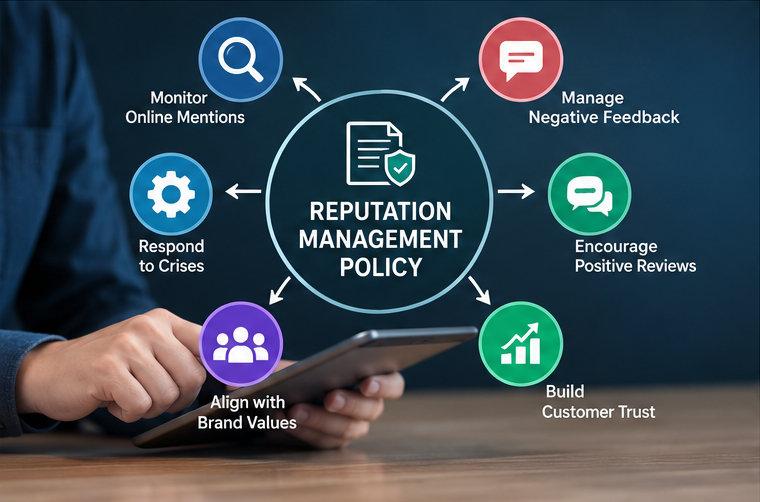
A reputation management policy is essential for any business that wants to maintain a positive reputation and protect its brand identity. This policy outlines the strategic approach for monitoring online mentions, addressing negative feedback, and promoting positive customer interactions. By aligning with your brand values, it ensures consistent messaging across all touchpoints, fostering the trust and credibility essential to long-term business success.
Why You Need a Reputation Management Policy
Imagine waking up to find your business's reputation tarnished overnight. One negative review, a viral tweet on major social media platforms, or even a competitor's smear campaign can set you back years. In this digital age, where online credibility management plays a critical role, having a solid credibility management policy isn't just important; it's essential for survival and maintaining a strong online presence. A well-crafted policy supports effective social media management, helping your organization respond swiftly to customer concerns and shape public perception positively. This highlights why credibility management is important for safeguarding your business's future and building long-term trust.
Exploring Brand Reputation Management and Corporate Reputation Management
Your company's reputation is one of its most valuable assets, often called brand credibility. It influences customer trust, shapes brand perception, and ultimately drives your bottom line. Customer reviews can strongly influence first impressions, which makes a clear policy for monitoring and responding to feedback valuable. Leveraging social media to engage with customers and highlight customer success stories is part of effective reputation management. Moreover, a strong corporate reputation management approach ensures consistency across all departments and touchpoints, reinforcing your reputation and, when applicable, strengthening your personal brand.
Building a Positive Reputation Through Good Reputation Management
A positive reputation is a powerful asset that can differentiate your business in competitive markets. Good reputation management means proactively monitoring online mentions, engaging with customers on social channels, and promptly addressing negative feedback. This approach not only improves the customer experience but also builds lasting loyalty and trust, critical drivers of business success.
Protecting Your Company's Reputation for Long-Term Success
A company's reputation is a vital asset that directly impacts customer confidence and business growth. Proactive reputation management initiatives help maintain a positive brand online presence, address reputation challenges quickly, and prevent reputational damage. By prioritizing your company's reputation, you build lasting consumer trust and gain a competitive advantage.
The Role of Online Reviews and Search Engines in Reputation
Online reviews, social media posts, and search engines play a pivotal role in shaping a company's reputation. Positive reviews can make a business listing more persuasive to customers comparing options in search results. Search visibility itself depends on many factors beyond reviews. Monitoring and responding to reviews and social media posts, including negative ones, across platforms like Google Business Profile helps your business stand out in competitive markets and mitigates the risk of reputation damage.
Aligning Reputation Management with Brand Values
Integrating your reputation management policy with your core brand values ensures consistent communication and authentic engagement across all platforms. This alignment reinforces your brand’s identity, builds consumer trust, and supports long-term loyalty by showing your business stands firmly behind its principles. Addressing negative reviews professionally within this framework further strengthens your reputation management efforts and shows consumers your commitment to customer satisfaction.
The Impact of Search Results on Business Online Presence
Search results significantly influence how consumers perceive your business online. When your company consistently appears with positive information in search engines, it establishes a strong online presence that attracts more customers. A clear response policy can help you address what people see in search results and keep your public information accurate and current. Conversely, a poor reputation can severely damage your online visibility and deter potential customers. Moreover, an unmanaged reputation crisis can quickly escalate through search results, amplifying negative perceptions and making recovery harder. Therefore, having a strategy to address and mitigate these issues is critical to maintaining a healthy online presence.
The High Cost of Ignoring Reputation
What happens if you ignore the need for a credibility management policy? The costs can be staggering. A negative reputation can reduce sales, drive customers away, and tarnish your brand image. Negative reviews can affect how prospective customers evaluate a business, especially when concerns go unanswered. If you don't proactively manage your online presence, you could be leaving significant money on the table. Moreover, a tarnished reputation can weaken your company's market position and make it harder to compete. Without a clear policy, crisis management becomes reactive rather than strategic, risking long-term damage to your organization's reputation. Including a crisis communication plan in your policy helps mitigate these risks by enabling rapid, coordinated responses. This proactive approach establishes rapid-response protocols to neutralize negative press and misinformation before they escalate into viral brand damage, making it a crucial part of any credibility management strategy.
Why You Need to Act Now
Every day you delay developing a reputation management policy is another day your competitors could be gaining ground. With client feedback and online reviews playing a pivotal role in today's market, the difference between proactive and reactive strategies can make or break your business. Act now to build a positive online reputation that pays dividends in customer loyalty and sales. This proactive approach also supports digital marketing efforts by ensuring search results reflect a positive image of your brand. Establishing a reputation management policy and a clear strategy also encourages brand advocacy among satisfied customers, which can make all the difference in attracting new clients and retaining existing ones. This shows why maintaining a strong reputation and integrity matters for long-term, sustainable growth and business success.
Leveraging Customer Trust Through Feedback and Brand Mentions
Monitoring client feedback is essential to understanding public sentiment and maintaining a positive brand reputation. Regularly tracking brand mentions across social media, review sites, and other online platforms lets you address concerns quickly and reinforce positive experiences. Incorporating feedback into your credibility management policy keeps your business connected to its audience and continuously improves its offerings, strengthening customer trust—a cornerstone of business success. This process can significantly increase consumer loyalty and conversions. Positive reviews can give prospective customers more confidence when they compare businesses, especially when a company also responds thoughtfully to criticism. A strong reputation also helps attract new customers and build long-term relationships. By prioritizing a positive reputation, businesses can differentiate themselves and build lasting goodwill in the marketplace.
Harnessing the Power of Customer Feedback
Customer feedback plays a critical role in shaping your brand credibility management policy. By actively listening to and addressing feedback, businesses can enhance customer satisfaction, build trust, and foster long-term loyalty. Incorporating customer insights into your brand reputation management strategy ensures continuous improvement and a positive brand image. This ongoing engagement turns public goodwill into measurable business growth, underscoring reputation management's role in driving revenue and strengthening your brand. A strong brand reputation depends on consistent attention to customer feedback and experiences, so proven strategies to increase online reviews directly shape how the market perceives your brand.
Integrating Reputation Management with Digital Marketing
Digital marketing and brand reputation management go hand in hand to create a cohesive online brand presence. A strong reputation supports your digital marketing efforts by boosting search engine optimization and increasing the visibility of positive content. Together, they help attract new customers and reinforce your brand's credibility across multiple channels. This synergy is vital to maintaining a competitive advantage in today's marketplace and underscores the importance of reputation management for overall business success and for sustaining a solid brand. Effective use of digital marketing tools can amplify your brand reputation management efforts, ensuring positive messages reach a wider audience and further strengthen your brand.
The Importance of Crisis Management in Reputation Policies
A well-defined crisis communication plan is essential within any brand credibility management policy. It enables businesses to respond swiftly and effectively to negative events, minimizing damage and restoring public trust. Proactive crisis communication helps your brand stay resilient during challenging times. Clear crisis reputation management and rapid-response protocols help teams investigate claims, correct misinformation, and communicate promptly when a problem emerges. Effective crisis management helps protect your company's image and supports long-term brand stability. Ultimately, a solid brand reputation built through careful crisis management becomes an invaluable asset that supports ongoing business growth and consumer loyalty.
Understanding the Critical Role of Reputation Management
Reputation management plays a critical role in today's business landscape by influencing customer decisions and driving growth. A positive reputation builds credibility, differentiates your brand, and safeguards your market position. Prioritizing reputation management ensures long-term success in a competitive environment. Effective reputation management transforms public goodwill into tangible business outcomes and protects your brand's value. It also helps maintain a positive online presence, which is crucial for attracting and retaining customers. Reputation is difficult to assign a universal dollar value, but it can affect customer confidence, partnerships, and a company's ability to respond to setbacks.
Gaining a Competitive Advantage Through Effective Reputation Management
An effective reputation management policy gives your business a significant competitive advantage. By proactively managing your brand's image, you can differentiate your company in crowded markets, attract more customers, and foster loyalty. A strong reputation not only draws clients but also builds resilience, making customers more forgiving during occasional missteps. This advantage also helps attract investors and top talent, further fueling business success. Understanding what goes into a company's reputation helps leadership identify risks before they become harder to address.
The Role of Reputation Management in Business Success
A strong reputation management plan is a cornerstone of business success. Reputation management starts with proactive online reputation management, where companies build consumer trust, strengthen brand loyalty, and gain a competitive edge. Effective reputation management involves monitoring public perception and responding to feedback, which ultimately drives sustainable growth and profitability.
Addressing Concerns About Reputation Management
Isn't it a waste of resources?
Many business leaders believe that investing in reputation management is optional. However, consider that every hour spent without a strategy can lead to lost revenue and customer dissatisfaction. Investing in a policy means investing in your future and gaining a competitive advantage. A strong reputation not only attracts potential customers but also boosts employee morale and supports recruitment. Moreover, it helps protect your personal brand and corporate image. Implementing effective reputation management strategies, including monitoring your online reputation, is essential to realize and maintain these benefits.
How do I measure success?
You can measure success in credibility management through metrics such as customer satisfaction scores, the volume of positive reviews, and overall brand sentiment. Tools such as social listening and customer feedback surveys can provide valuable insights into your online reputation. Monitoring social media mentions and engagement also helps gauge how effective your online credibility management efforts are. Using effective reputation management resources and strategies to safeguard your brand, while tracking improvements in public perception over time, can show how your policy drives long-term success.
I don't have time for this.
While it may seem overwhelming, you can streamline the integration of an online reputation management strategy into your daily operations. Set up automated alerts for brand mentions on social media and assign a small team to monitor and respond to online feedback, including concerns from dissatisfied customers, to help maintain your online reputation. Investing time now saves countless hours in damage control later and supports consistent branding across all online platforms. Effective crisis management protocols within your online reputation management policy ensure a rapid response to any negative events, minimizing reputational damage and protecting your online reputation.
How to Build Your Reputation Management Policy
Creating a comprehensive reputation management policy involves several critical steps:
Conduct a thorough audit of your current online presence.
Define key messages that align with your desired brand image and core brand values.
Establish a crisis management communication plan to address potential reputational risks and negative press.
Implement monitoring tools to track social media accounts, brand mentions, and review sites.
Encourage satisfied customers to leave positive reviews and share customer success stories.
Integrate social media management practices to sustain active, positive engagement with your audience.
Make the Decision: Act or Wait
Now that you understand the risks and rewards associated with reputation management, ask yourself: What's your next move? Those who act will build a solid foundation for their brand, while those who hesitate risk losing their hard-earned reputation. The choice is yours, but understanding why reputation management matters is the first step to securing your brand's future.
Your Path to a Stronger Reputation Starts Here
To apply these insights without trial and error, book a call with our reputation management experts today. They'll guide you through establishing a policy that fits your unique needs and helps you thrive in a competitive landscape, including strategies to encourage positive reviews.
FAQs About Reputation Management Policies
Q1: What are the main components of a reputation management policy?
A reputation management policy should outline how you monitor online mentions, establish procedures for responding to customer feedback, define strategies for generating positive reviews, and include a crisis management plan to address potential reputational issues quickly and effectively.
Q2: How often should I review my reputation management policy?
Review your policy regularly, ideally every quarter. Frequent reviews help ensure your approach remains aligned with evolving customer expectations, industry trends, and changes across digital platforms.
Q3: Can small businesses benefit from a reputation management policy?
Yes. A well-defined reputation management policy can help small businesses build trust, improve visibility, and strengthen credibility. In competitive markets, effective reputation management often serves as a key differentiator that attracts and retains customers.