What You’ll Learn:
Why managing corporate reputation matters for customer trust, revenue, and long-term brand success.
How real-world examples from Starbucks and United Airlines show the impact of effective—or poor—crisis communication.
Practical ways to monitor your reputation, engage with customers, and address common barriers to taking action.
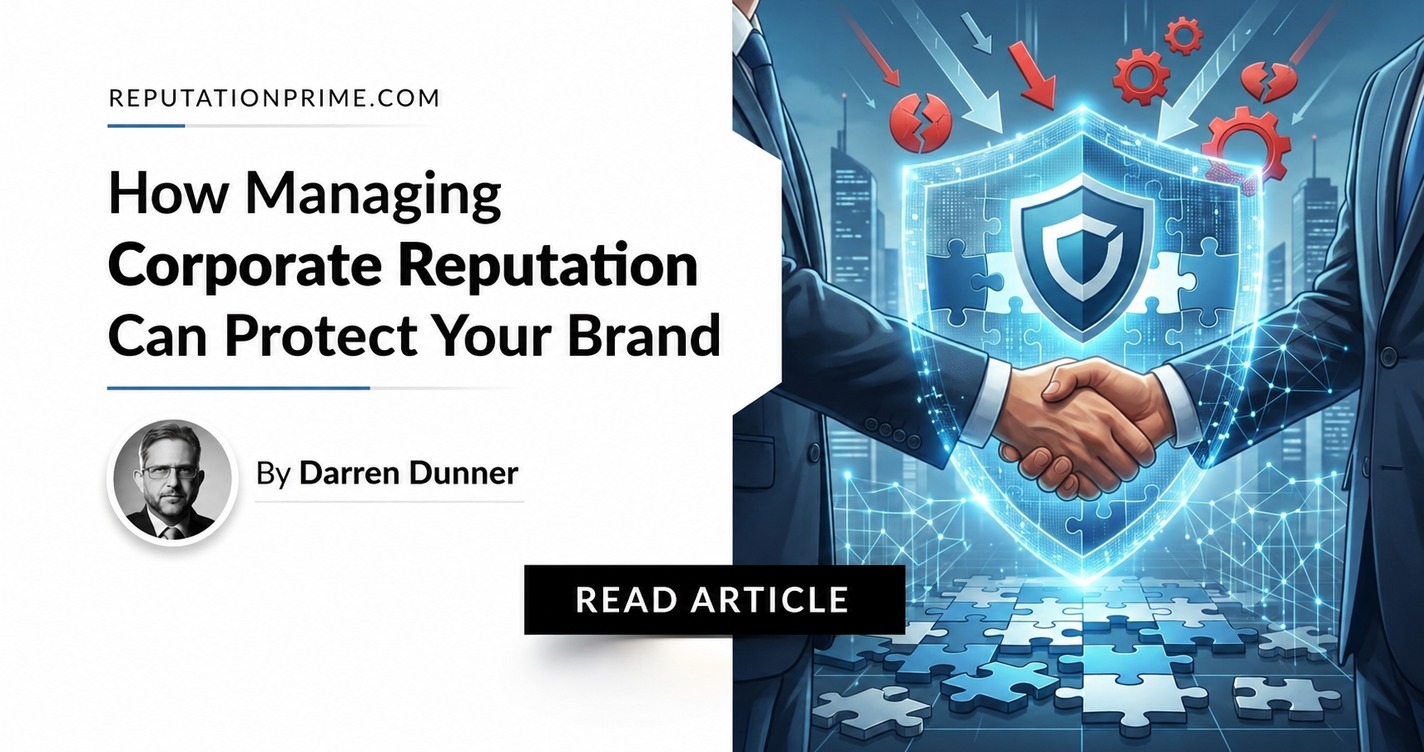
Managing corporate reputation helps protect your brand by building trust, reducing reputational risks, and maintaining strong relationships with customers and stakeholders. For business owners and brand managers, this means staying aware of public feedback, addressing concerns early, and ensuring company actions match its values. A clear reputation management strategy can prevent minor issues from becoming costly crises. Understanding how major brands have handled public challenges, along with practical ways to monitor reviews, improve communication, and respond to criticism, can help you protect your company's credibility and support long-term growth.
The High Stakes of Reputation Management
Your company's reputation is a core strategic asset in a competitive market. A single negative review or incident can erode credibility, create reputational risks, and lead to lost clients, reduced revenue, and a tarnished brand identity. A Harvard Business School working paper found that a one-star higher Yelp rating was associated with 5–9% more revenue for independent restaurants in its study. That finding should not be projected onto every industry or company. Reviews on digital platforms, media coverage, and search results can shape perceptions before a customer contacts your business. Search engine optimization can help ensure accurate, useful information is easier to find. Ignoring these signals risks losing market share to organizations that actively monitor and respond.

Understanding Corporate Reputation and Its Impact
Corporate reputation is the overall image of an enterprise in the minds of customers, partners, employees, and other stakeholders. It reflects more than a company's products: leadership, service delivery, consistent communication, and how the company handles problems all matter. A strong reputation can support customer satisfaction and brand loyalty, attract talented employees and investors, and strengthen long-term performance. Providing high-quality products and dependable service helps build strong customer relationships. To manage reputation well, define what the organization stands for, then align its actions and communication channels with that promise. A clear brand identity, backed by credible service and transparent decisions, helps enhance a positive image and provides a buffer when challenges arise.
Starbucks: A Real-Life Case Study
In 2018, two Black men were arrested at a Starbucks store in Philadelphia, prompting public criticism. Starbucks announced that it would close more than 8,000 company-owned U.S. stores for racial-bias education. The announcement documents a concrete response, but it does not by itself prove that trust was restored. Leaders should assess whether changes to policy, training, and customer experience endure after the public statement.
United Airlines: A Cautionary Tale
In 2017, a customer was forcibly removed from United Express Flight 3411. After reviewing the incident, United announced 10 changes to its customer policies and procedures. The case shows why a crisis response needs more than an apology: people need a clear account of what happened and specific steps to reduce the chance of it happening again.

Effective Strategies for Managing Corporate Reputation
To protect your brand and strengthen reputation management, consider these practical priorities:
Monitor Online Reputation - Use listening tools to track brand mentions, search results, review ratings, and discussions across review platforms, social media, and other communication channels. Assess the data regularly to spot emerging reputational risks and changes in stakeholder perceptions.
Engage with Customers - Respond promptly and respectfully to feedback, address negative reviews, and learn from recurring concerns. Encourage satisfied clients to share honest experiences; never pressure people to post or manipulate ratings. Thoughtful responses can turn criticism into opportunities to improve service delivery and customer satisfaction.
Communicate Transparently - Keep stakeholders informed about company goals, values, and challenges through appropriate channels, including press releases and social media. Consistent, accurate updates build credibility and help prevent confusion during a crisis.
Invest in Quality - Ensure products, services, and customer support meet high standards. Reliable delivery and ethical decisions are central to a positive reputation and lasting customer confidence.
Deciding to Act: Don’t Risk Reputation Damage
Delaying corporate reputation work can leave recurring problems undetected. Proactive monitoring and a clear response plan help organizations identify concerns early and prepare for crises. A reputation audit can establish a baseline by reviewing feedback, media coverage, search visibility, and stakeholder perceptions, then setting priorities and assigning owners to address gaps. Revisit the plan regularly to keep it useful, rather than waiting until damage is hard to reverse. Leaders' personal commitment to act on feedback helps turn findings into practical improvements.
Building a Strong Online Reputation
A strong online reputation helps protect your company's image and sustain customer trust. Monitor reviews, search results, and media platforms regularly, and respond transparently before concerns escalate. Make sure online information accurately reflects the company's actions and values. A consistent presence, supported by useful content and responsive customer support, can reinforce brand identity and help people find reliable information when researching a company.

How AI Search Changes Corporate Reputation Monitoring
People may discover a company through ChatGPT, Gemini, Google AI Overviews, and other AI search tools before visiting its website. These systems can summarize public pages, reviews, and coverage, but their answers can be incomplete or outdated. Check how your company is described, keep official information accurate, and publish clear explanations of significant changes. Treat an AI answer as a signal to investigate, not a score you can directly control.
Addressing Common Hesitations
It’s natural to have hesitations about implementing a reputation management strategy. Here are three common objections:
“It’s too time-consuming.”
Streamline the plan with the right tools, clear responsibilities, and a focused schedule. Assign monitoring and response tasks to the relevant teams, then review results regularly. This makes ongoing engagement manageable without losing sight of business priorities.
“What if I can’t control negative reviews?”
You can’t control what people say, but you can control how you respond and what you improve—and protecting brand reputation and preventing a potential crisis starts with active management. Acknowledge legitimate concerns, explain corrective steps, and follow through. This demonstrates accountability to customers and the wider community, even when an unfavorable review remains online.
“Isn’t it expensive?”
Reputation management takes time and resources, but inaction can cost more. A proportionate strategy—based on your organization's size, exposure, and risks—can help protect customer loyalty and business opportunities over time.
Taking Action: Your Path Forward
Now that you understand the importance of managing corporate reputation, assess your current practices. Identify gaps in monitoring, communication, and customer support, then define a plan with measurable goals. If you want expert guidance in applying these strategies without trial and error, book a consultation with us. Our experts will help you create an approach aligned with your company's goals and your clients' expectations.
Frequently Asked Questions
What is corporate reputation management?
Corporate reputation management is the ongoing work of building, maintaining, and protecting how the public perceives a company. It includes monitoring feedback and media coverage, responding to concerns, engaging stakeholders, and aligning communication with the company's actions and values.
How can I improve my company’s reputation?
Take a proactive approach: listen to customers and employees, monitor online reviews and discussions, respond constructively, and improve service where feedback reveals a problem. Consistent, transparent communication and reliable delivery help strengthen trust and loyalty.
What are the consequences of a poor corporate reputation?
A poor reputation can reduce customer trust, cost a company clients and business opportunities, and weaken profitability. It may also make it harder to recruit and retain employees, attract investors, and recover from future challenges.