What You’ll Learn:
- The importance of brand perception tools to monitor and manage your brand’s online presence.
- An overview of the top 7 brand perception tools with key features and benefits.
- How neglecting online reputation management affects customer loyalty and business success, and common concerns are addressed.
A single negative tweet can spark a PR crisis, showing why managing your brand’s online reputation is vital. With 86% of consumers reading reviews of local businesses and 91% trusting online reviews as much as personal recommendations, nearly 60% say a company’s reputation heavily influences buying decisions. Up to a quarter of a company’s market value depends on its reputation. Ignoring your brand’s online reputation across various platforms risks serious losses. Reputation management tools play a crucial role in monitoring and protecting your brand from such risks, and leveraging business reputation management services can help safeguard and strengthen your brand presence.
Why Brand Reputation Management Matters
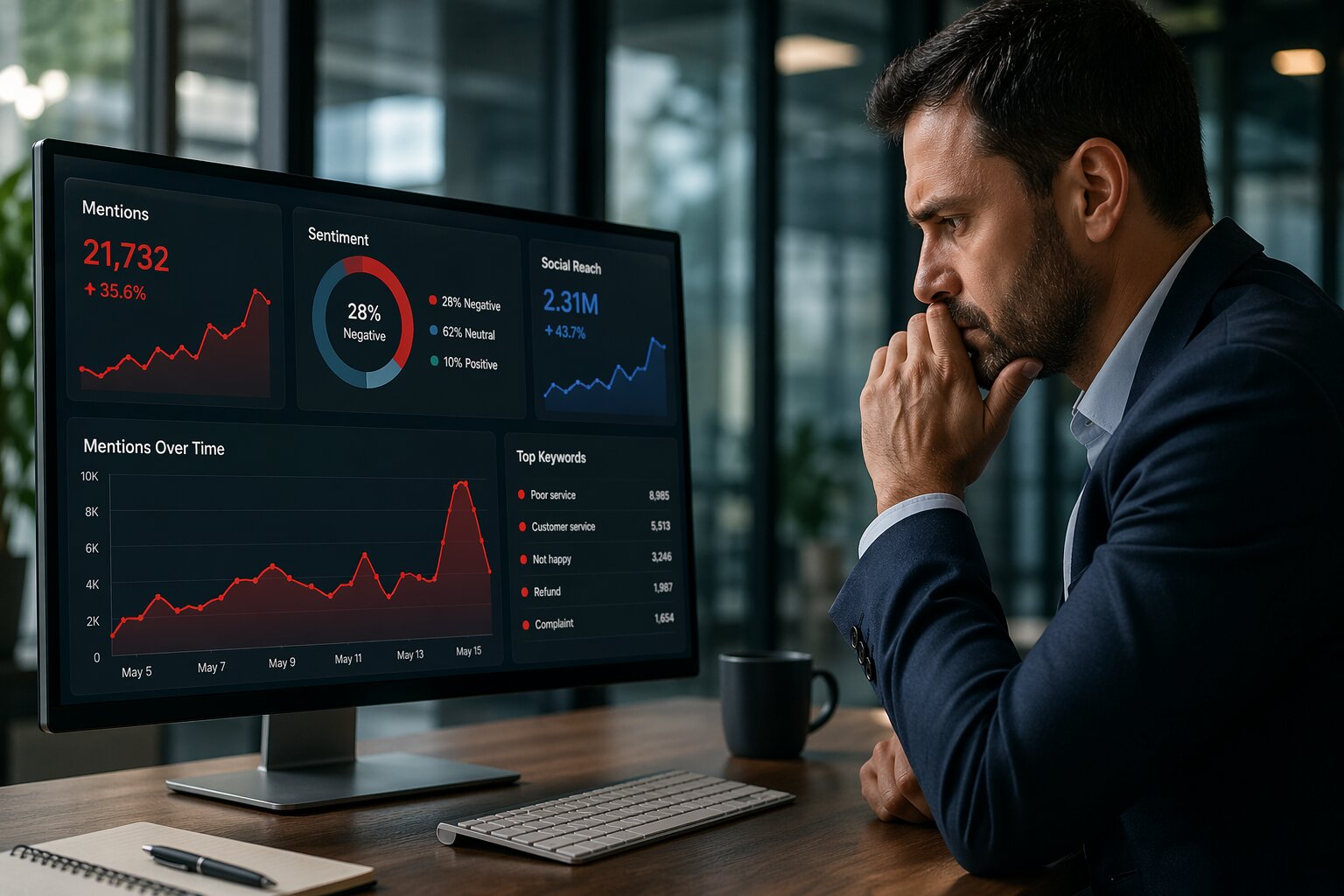
Your brand’s reputation reflects customer sentiment and impacts loyalty and market share. Poor reputation management can reduce revenue by up to 30%. Effective online reputation management uses tools to monitor social media, review sites, and news sites to track online mentions and brand discussions. These tools help track online conversations and offline feedback, ensuring you never miss key insights affecting public perception.
Enhancing Your Brand’s Reputation Online
A strong online reputation builds trust and credibility. Managing your digital presence through consistent monitoring and engagement shapes positive perceptions and fosters loyalty. Brand perception tools provide real-time insights to respond swiftly across multiple platforms. An effective social media management suite and online reputation management software are essential for maintaining a competitive edge in today’s digital landscape.
Tracking Brand Mentions for Proactive Management
Monitoring brand mentions across social media platforms, review websites, and other digital channels keeps you informed about your brand’s discussions. Real-time tracking identifies issues early, engages customers effectively, and capitalizes on positive feedback. This proactive approach safeguards your reputation and supports informed decision-making, making it a key part of effective reputation management. To better understand this strategy, explore the differences between proactive and reactive reputation management.
Understanding Your Brand Online
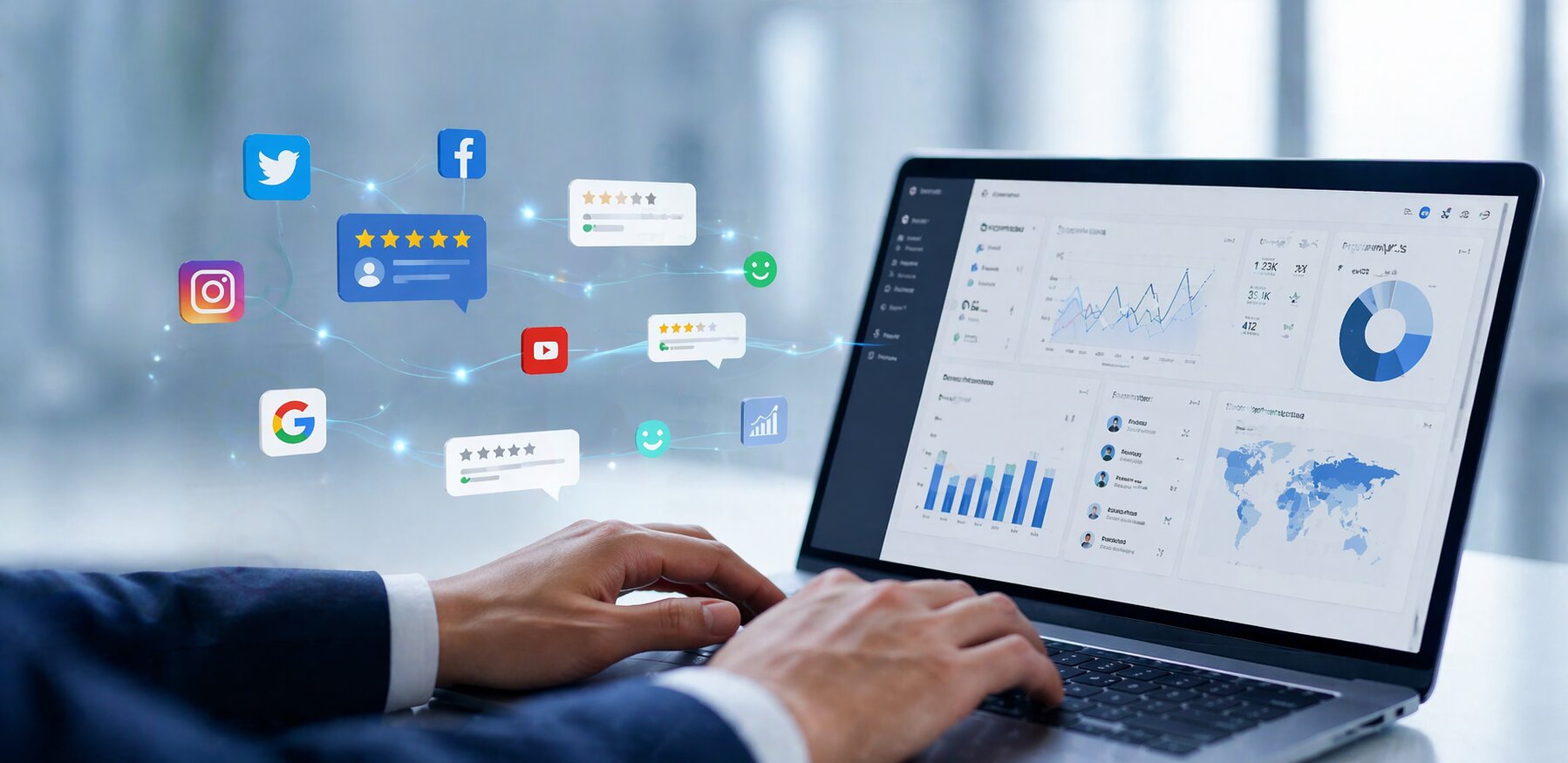
Your brand online includes your entire digital footprint: customer interactions, reviews, social posts, and media coverage. Maintaining a positive brand presence attracts and retains customers by influencing trust and purchases. Regular monitoring, including review monitoring, helps you stay aware of brand perception and respond quickly to issues or opportunities, which is crucial for protecting your brand reputation in a competitive market.
The Importance of Customer Feedback
Customer feedback—comments, reviews, and opinions—is vital for reputation management. Collecting and analyzing feedback from various platforms provides insights into what customers value and where to improve. This ongoing dialogue strengthens relationships, builds loyalty, and refines customer experience, all of which are key to sustaining a strong brand reputation. To enhance this process, explore these proven strategies to increase online reviews and boost customer feedback.
Benefits of Using Brand Perception Tools in the AI Era
Brand perception tools now leverage AI to monitor brand mentions, analyze sentiment, and efficiently gather authentic feedback. They provide real-time insights, enabling proactive reputation management and better business decisions. AI-powered tools help companies track online conversations and discussions about their brand across multiple platforms, spot trends, and address issues swiftly, thereby safeguarding and enhancing brand reputation.
Brand Monitoring for Brand Health
Brand monitoring involves continuously tracking online mentions and conversations across various platforms to assess and protect brand health. It helps identify emerging issues, respond promptly, and capitalize on positive sentiment. Effective monitoring ensures your brand stays visible and relevant, supporting growth and loyalty through comprehensive reputation management. To dive deeper into this topic, explore protecting brand reputation.
Analyze Sentiment to Understand Public Perception
Sentiment analysis interprets emotional tone behind brand mentions and feedback, categorizing them as positive, negative, or neutral. This provides insights into public perception, helping identify risks or opportunities. Understanding sentiment trends allows fine-tuning marketing, improving engagement, and managing crises effectively. Incorporating reputation management practices with sentiment analysis enhances your ability to maintain a positive brand image.
Discover the Top 7 Brand Perception Tools
1. Brandwatch
Brandwatch is a leading social media and news site monitoring tool with powerful sentiment analysis. It tracks brand conversations in real time across various platforms, helping businesses stay ahead of issues and understand public perception. For example, a retail chain used Brandwatch to detect rising negative mentions and recovered lost sales. Brandwatch’s ability to track online mentions and analyze sentiment helps make informed business decisions.
2. Hootsuite
Primarily a social media management tool, Hootsuite also offers reputation monitoring features. You can manage social posts, track mentions, and analyze sentiment across multiple platforms. Real-time alerts helped a startup boost customer satisfaction within 3 months. Hootsuite supports engagement with key influencers and prompt responses to negative comments, improving brand health. It also facilitates managing offline conversations by enabling direct customer communication. To further enhance your strategy, explore how to manage social media campaigns.
3. Google Alerts
Google Alerts tracks brand mentions across search engines and various online platforms. Setting alerts for your brand or keywords provides immediate insights and includes features such as email notifications and customizable alert parameters. A tech company used Google Alerts to address a brewing crisis quickly. Email alerts keep local teams informed, enabling faster responses and better management of brand discussions. This monitoring tool supports informed decisions by ensuring awareness of online mentions.
4. ReviewTrackers
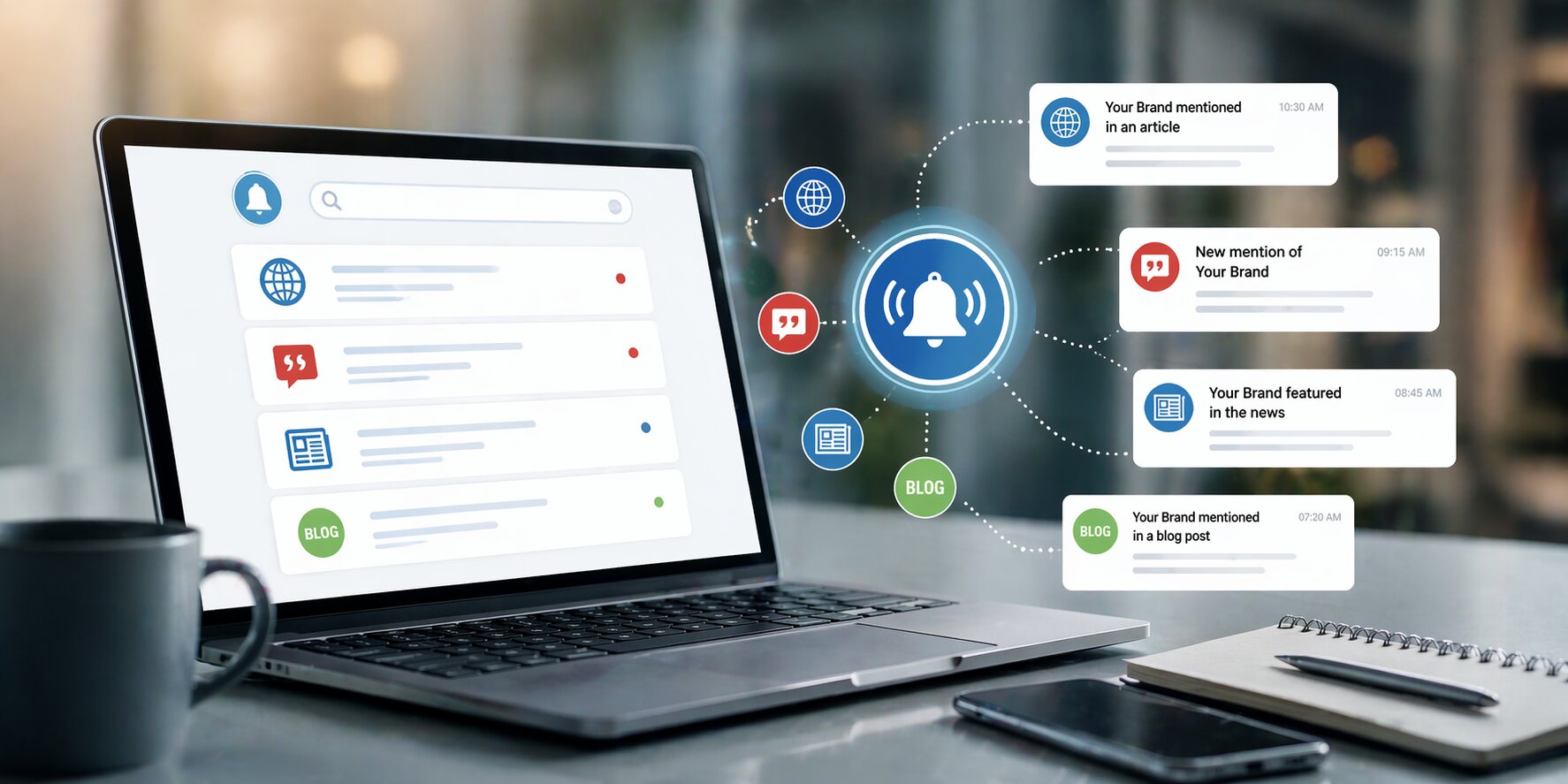
ReviewTrackers focuses on managing online reviews across multiple review management platforms. It consolidates customer feedback and provides actionable insights. A restaurant chain improved its menu using ReviewTrackers, boosting positive reviews by 25%. The tool tracks sentiment trends and supports offline conversations by addressing customer issues directly, fostering trust. Leveraging positive reviews on websites and social media enhances reputation and community.
5. Sprout Social
Sprout Social offers social listening and brand monitoring, enabling brands to engage customers and manage conversations effectively. A nonprofit used it to build trust and transparency, increasing donations by 40%. Its sentiment analysis reveals emotional tone behind social posts and conversations, guiding marketing and customer experience strategies. Sprout Social provides insights to support informed business decisions.
6. Trustpilot
Trustpilot is a popular platform for soliciting and managing customer reviews. It helps build credibility and attract new customers. A SaaS company increased conversion rates by 50% by showcasing positive Trustpilot reviews. Trustpilot integrates with social media platforms and review sites, helping maintain a strong online reputation across them. It encourages offline conversation monitoring by promoting direct customer engagement and feedback. To evaluate your own standing, learn more about how to check a company’s reputation.
7. ReputationPrime
ReputationPrime’s Custom Tracking delivers a powerful, data-driven approach to monitoring brand perception across search results, reviews, and social platforms. By providing real-time insights, it helps businesses stay informed and in control of their online presence. Their professionals understand that effective branding combines visibility, trust, and consistent messaging across every digital touchpoint. Through detailed audits and strategic analysis, they create customized plans tailored to each client’s needs. This proactive approach ensures brands are not only monitored but continuously optimized, allowing ReputationPrime to effectively shape, protect, and strengthen brand perception over time.
Create Reports to Track Brand Health and Performance
Reports compile data on brand mentions, sentiment, and customer feedback into actionable insights. They help stakeholders understand brand health, measure campaign effectiveness, and identify areas for improvement. Regular reporting ensures your reputation management strategy remains data-driven and aligned with business goals. Additionally, reports often include analyses of relevant mentions and discussions surrounding your brand, as well as insights from conversations offline, providing a comprehensive view of your brand’s reputation.
The Cost of Inaction
Without a reputation management strategy, you risk losing revenue and eroding trust. Competitors actively monitor their brand reputation online and attract your dissatisfied customers. In today’s AI era, where public perception shifts rapidly, missing critical feedback, reviews, or online mentions means missing out on opportunities for timely decision-making. To stay ahead, explore these reputation monitoring tools and strengthen your strategy.

Addressing Common Concerns
1. “These tools are too expensive.” Consider the revenue lost due to a poor reputation; these tools are an investment in your brand’s future.
2. “I can manage this manually.” Manual monitoring is time-consuming and error-prone. Reputation management tools automate tracking across multiple platforms, freeing your team to focus on strategy.
3. “I lack expertise to use these tools.” Most tools offer user-friendly interfaces and customer support, making them accessible to users of all skill levels.
Take Action Now
Choose a brand perception tool that fits your business needs. Evaluate your current efforts and identify areas for improvement. Don’t delay—proactively protect and enhance your brand’s reputation and health. These tools help track brand discussions, monitor conversations across various platforms, and provide insights to keep your brand competitive and trusted.
FAQs About Brand Perception Tools
Q1: What is a brand perception tool?
A brand perception tool is a type of online reputation management software that helps businesses monitor and shape how they are viewed online. It tracks brand mentions, analyzes sentiment, and collects customer feedback from multiple platforms to provide a clear picture of public perception.
Q2: How do I choose the right brand perception tool?
When selecting a tool, consider your budget, essential features like sentiment analysis and review management, and which platforms you need to monitor. The right tool should align with your business goals and help you effectively capture and manage customer experiences.
Q3: Can I manage my brand reputation without these tools?
While manual management is possible, it is often time-consuming and less efficient. Dedicated reputation management tools automate monitoring, centralize data, and provide actionable insights, making it easier to maintain and improve your brand’s online presence.