What You’ll Learn:
- How to check your online presence for free using various tools and resources to uncover your digital footprint.
- The importance of managing your online identity to protect against identity theft, online privacy risks, and negative exposure.
- Practical steps to assess, monitor, and improve your online presence for better security and reputation management.
Have you ever googled yourself? If you haven’t, you’re missing out on a crucial part of managing your online identity. Your digital footprint is everywhere, and it can have real-world consequences. With identity theft on the rise and personal data exposed across various platforms, including the dark web and public databases, it’s time to take charge of your online presence. For those looking to take it a step further, explore executive reputation management services to strengthen and protect your digital identity. Let’s explore how to check your online presence for free and why you should act now.
How to Check Your Online Presence Free
Checking your online presence for free is an essential first step in managing your online identity. Using free tools and scanners lets you uncover exposed information and assess your digital footprint at no cost. Regularly performing these checks helps protect your privacy and reduces the risk of identity theft or negative exposure.

Get to Know Your Digital Footprint
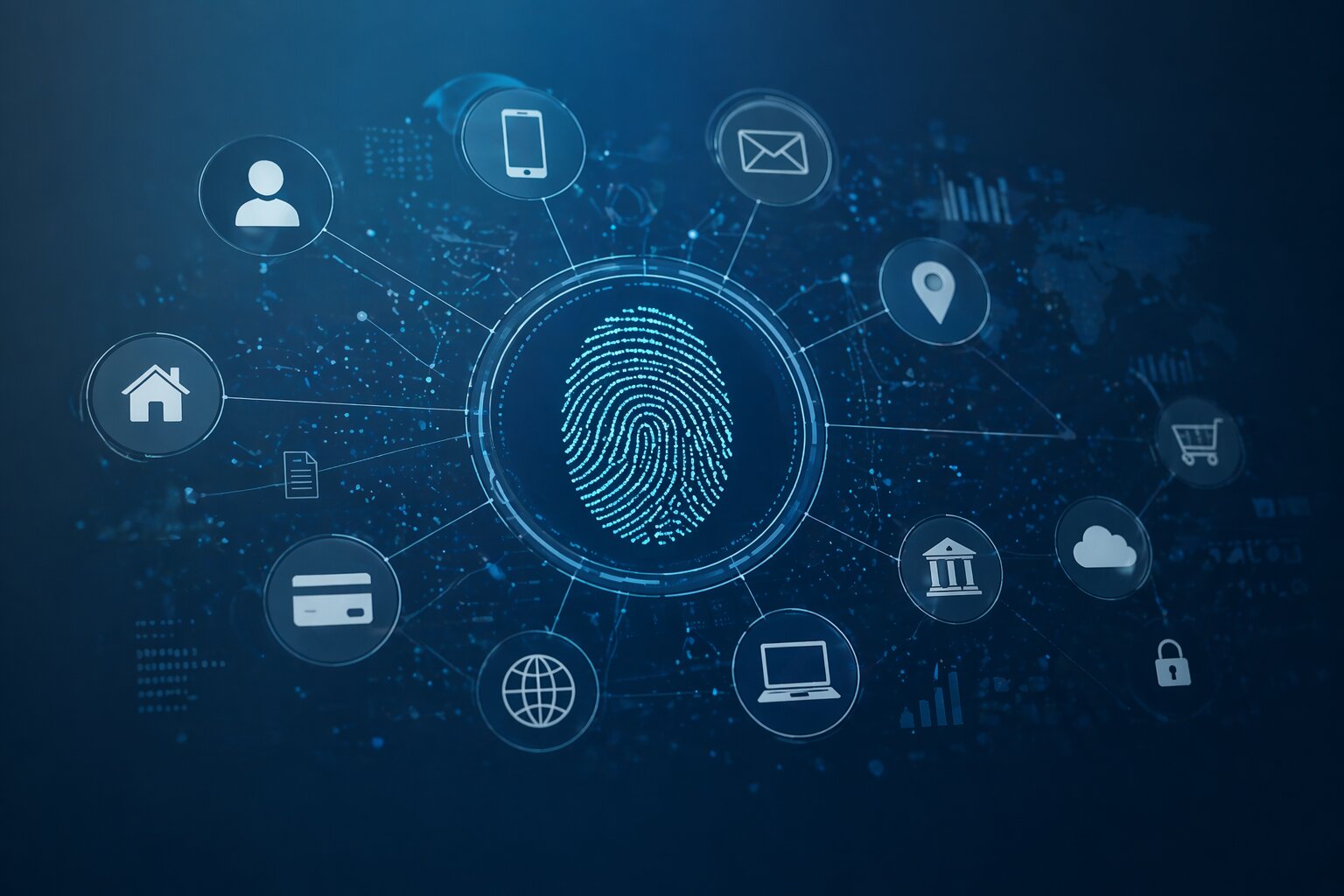
Your digital footprint is the trail of data you leave behind as you use the internet. This includes social media posts, online purchases, forum comments, and even data collected by data aggregators. Each click and share contributes to your online identity, often in ways you might not recognize. A complete online footprint covers everything from your public profiles on major social networks to your records in public databases and data broker listings. Understanding your own digital footprint is critical for making informed decisions about your privacy and security. If you need help addressing potential issues, consider exploring reputation resolutions to take control of your online presence.
Understanding Your Digital Identity
Your online identity is the sum of all information about you available online, including your digital footprint. It shapes how others perceive you professionally and personally. Managing your online identity means actively controlling what data appears about you, ensuring it reflects your desired image, and protecting your privacy from risks such as data breaches and unauthorized access. Regularly monitoring for data breaches is essential to maintain control over your personal information and prevent identity theft.
Using a Digital Footprint Scanner for Comprehensive Insights
A digital footprint scanner is a powerful tool that searches hundreds of online sources to reveal where your personal information appears. By leveraging these scanners, you can quickly identify active and passive data exposures, helping you understand your online visibility and potential risks. To further strengthen your online visibility strategy, explore this guide on advancing local search visibility with local SEO listings.
Understanding Your Complete Digital Footprint
Your complete online footprint encompasses all the online traces you leave behind, including social media activity, public records, and data broker listings. Understanding your full digital footprint is essential to managing your privacy and protecting yourself from identity theft and unwanted exposure.
How a Digital Footprint Checker Enhances Your Online Security
A digital footprint checker aggregates data from various platforms and breach databases to provide a clear overview of your online presence. Using this tool regularly enables you to detect vulnerabilities early and take proactive steps to safeguard your personal information.
Effective Data Removal Strategies to Protect Your Privacy
Data removal is a critical step in reducing your online exposure by requesting the deletion of personal information from public databases and data brokers. Employing data removal services or following removal guides can significantly limit the amount of sensitive information accessible to third parties. To better understand the impact and strategy behind this process, you can learn more about how to measure reputational risk.
The Importance of Continuous Monitoring for Ongoing Protection
Continuous monitoring tools keep you informed in real-time about new mentions or changes to your online presence. This ongoing vigilance is vital to promptly address emerging threats and maintain control over your online identity.
Interpreting Your Detailed Report to Take Informed Actions
After running a scan, reviewing the detailed report helps you understand the scope and severity of your online exposures. These reports provide actionable insights and prioritize risks, empowering you to make informed decisions about managing and improving your online presence.
The Role of Data Brokers in Your Online Presence
Data brokers collect, aggregate, and sell personal information gathered from various sources, often without your explicit consent. These brokers significantly contribute to your digital footprint by listing your data on people-search sites and databases accessible to marketers, employers, and cybercriminals. Being aware of data brokers and their impact is essential when you check your online presence for free and plan your data removal strategies.
Why the Dark Web Matters
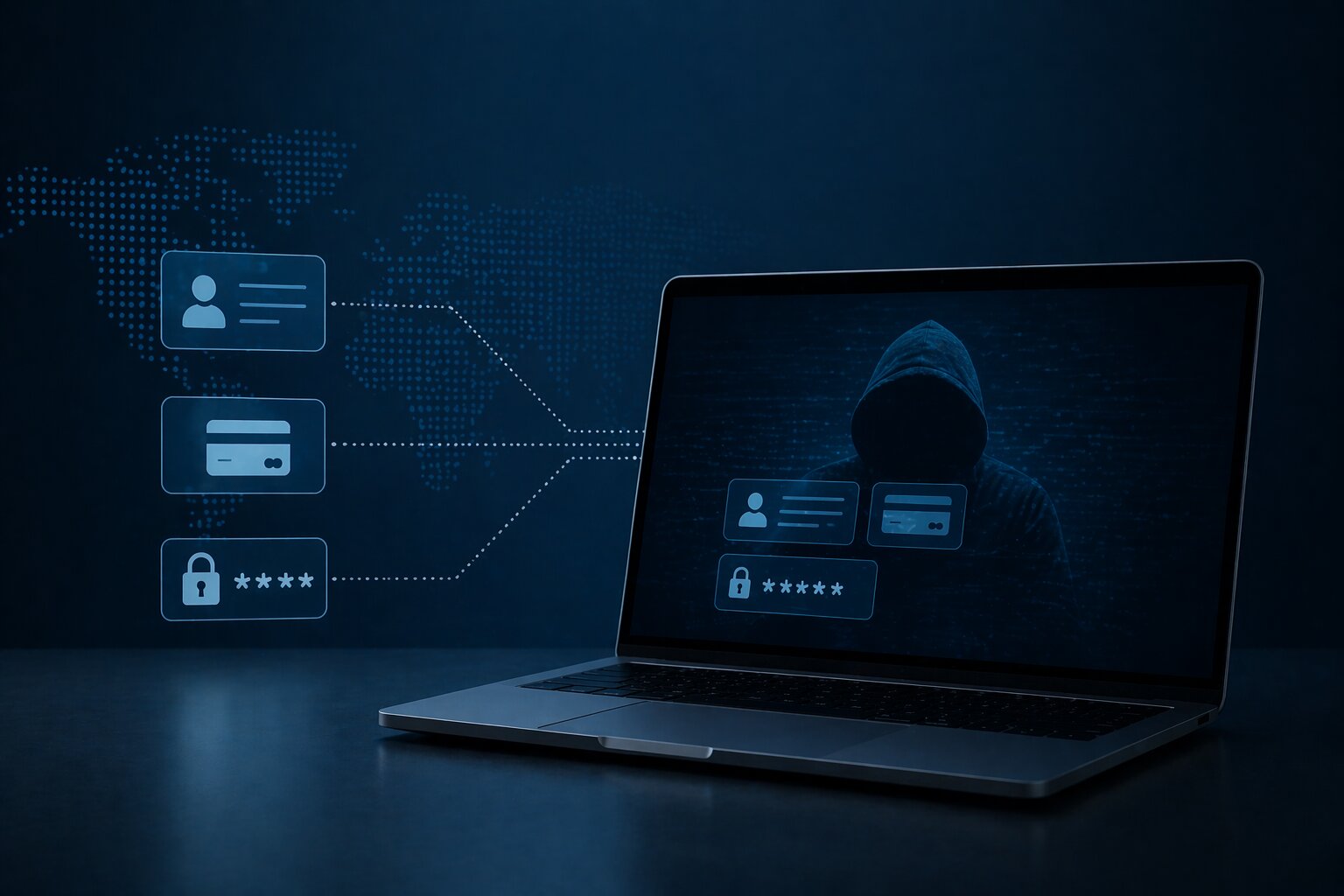
The dark web is a hidden part of the internet where stolen personal data, including passwords and financial information, is frequently traded. Checking the dark web for your information is a critical step in protecting yourself from identity theft and fraud. Many digital footprint checkers include dark web scans to alert you if your data has been compromised in these hidden marketplaces. If you’re looking for professional help, explore companies that clean up your online presence to safeguard your personal data better.
Free Tools for Checking Your Online Presence
Fortunately, several free tools and resources can help you check your online presence. Here’s a curated list of options:
- Google Search – Start by searching for your name and any other personal details, such as your email or phone number. Look through multiple pages of search engine results to understand your online exposure. Use incognito mode to remove search history bias and get a true picture of your online activity.
- Social Media Profiles – Discover which platforms have your profiles available. Sites like Social Search can help you discover social media profiles and hidden accounts across major social networks. Reviewing social media analytics can also show engagement with your content on platforms like Facebook, Instagram, and LinkedIn. Auditing privacy settings on these platforms is also essential to secure your personal information.
- Digital Footprint Scanners and Checkers – Websites like Reputation Prime offer free scans that provide insights into your online visibility and generate detailed reports of your online footprint. These digital footprint scanners typically query over 500 public sources, including social networks, breach databases, and data broker listings, to reveal publicly accessible details about individuals. Using a digital footprint checker is one of the most comprehensive ways to understand your complete digital footprint.
- People Search Sites – Websites like Whitepages can reveal how much of your personal data is publicly accessible in public databases and data aggregators.
- Data Removal Services – Some sites allow you to request the removal of personal info, helping protect your privacy by targeting data brokers and other online sources. Many data removal services utilize automated processes to send removal requests to data brokers and people search sites, ensuring that personal information is deleted from public view.
- Real-Time Monitoring Tools and Continuous Monitoring – Tools like f5bot and Mention offer real-time monitoring of social media mentions and can notify you whenever your name or brand is mentioned online. Google Alerts is another free tool that sends email alerts when your name, brand, or keywords are indexed in Google. Continuous monitoring helps you stay updated on new exposures and proactively protect your online identity.
- Identity Theft Protection Tools – Services like Mozilla Monitor monitor data breaches and notify users if their personal information is exposed. Identifying and closing dormant accounts on old platforms can also enhance your digital reputation management and reduce the risk of identity theft.
Success Stories of Online Presence Management
Consider the case of Sarah, a small business owner. After realizing her personal details were easily accessible online, including on the dark web and private databases, she used a digital footprint checker and found that her home address appeared on several public records. Acting quickly, she submitted removal requests and updated her online accounts to ensure better privacy. As a result, her online sales increased by 35% within months, as customers felt more secure purchasing from her. For business owners facing similar challenges, small business reputation management can provide the support needed to protect and grow trust online.
Another example is John, a freelancer who neglected his digital reputation. After receiving negative reviews on social media and in forum comments, he took action by regularly monitoring his profiles, responding to feedback, and improving service quality. Within six months, he turned around his online reputation, leading to a 50% increase in client inquiries.
Steps for Managing Your Online Presence
Here’s a step-by-step guide on effectively managing your online presence:
- Run a Free Scan – Use a free digital footprint scanner to identify where your information is located across platforms, including search engines, social media, and public databases. Many tools allow you to run free scans without any commitment.
- Review Your Detailed Report – After scanning, analyze the detailed report provided by digital footprint checkers. This report highlights your exposure points, risk levels, and specific locations where your data appears, helping you prioritize actions.
- Assess Risks – Evaluate the risk level of each public profile and database where your personal details appear to understand your online exposure. Consider the implications for identity theft and privacy.
- Request Data Removal – Follow through with removal requests on platforms that expose your personal information, initiating the removal process where possible. This is essential to reduce your passive footprint and protect your data from being sold or misused.
- Update Passwords – Use a password manager to create unique passwords for each account, adding an extra layer of security.
- Enable Two-Factor Authentication – This can significantly reduce the risk of unauthorized access to your online accounts.
- Set Up Continuous Monitoring – Consider tools that continuously monitor your digital presence to stay informed about new mentions and changes. Continuous monitoring helps protect your identity and reputation over time.
- Audit Privacy Settings – Regularly review and adjust privacy settings on social media platforms to limit what others can see and reduce exposure.
- Manage Family Members’ Online Presence – If you are concerned about family members, especially minors, help them monitor and manage their digital footprints to protect them from online risks.
The Cost of Procrastination
Procrastination is the enemy here. Each day you delay checking your online presence increases the risk of identity theft or negative exposure. Remember, it takes just one cybercriminal to exploit your information. The longer you wait, the more vulnerable you become. Your personal data can be easily found through a simple Google search, making you vulnerable to unwanted attention, spam calls, doxxing, and online stalking. To take immediate action, you can use a digital footprint checker to identify and address exposed information.

Addressing Common Concerns
Many people hesitate to take action for various reasons:
- “I don’t think my information is out there.” You might be surprised. Many data brokers collect info without you even realizing it, and your email appears in breaches or online sources more often than you think.
- “It sounds complicated.” Checking your online presence can be straightforward with the right tools, many of which are user-friendly.
- “I’m not tech-savvy.” If you can navigate social media, you can handle these steps. Plus, many services offer guidance.
Take Action to Secure Your Online Identity
Now that you understand the risks and have the tools at your disposal, it’s time to take action. Start by running a completely free scan of your online presence today. This step is crucial for anyone wanting to protect their online identity.
If you’re serious about managing your online reputation, check out Reputation Prime for a comprehensive analysis and ongoing monitoring.
Frequently Asked Questions
Q1: How often should I check my online presence?
It’s recommended to review your online presence at least every few months. Because cyber threats and online data exposure evolve quickly, regular monitoring helps identify and address issues before they escalate.
Q2: What should I do if I find negative information online?
If you encounter negative content, address it thoughtfully. Engage where appropriate, request removal if it violates platform policies, and proactively build positive content to outweigh the negative and strengthen your overall online reputation.
Q3: Are free tools reliable for checking my online presence?
Yes, many free tools provide a solid starting point for monitoring your online presence. However, for deeper insights and more comprehensive tracking, premium tools and services often offer more advanced features.
Q4: Can I check the online presence of family members for free?
Some tools offer family plans that allow multiple users to monitor their own online presence. Always ensure you have proper consent and comply with privacy laws before checking or monitoring someone else’s information.
Q5: What should I do if I find my data being sold online?
If your personal data appears on data broker sites, you can request removal directly or use a data removal service to handle the process. Ongoing monitoring helps you stay aware of new listings and maintain better control over your digital footprint.