What You’ll Learn:
- Your reputation plays a critical role in building trust and opening doors to new opportunities in both personal and professional contexts.
- The potential consequences of neglecting reputation management include lost customers, decreased revenue, and long-term damage.
- Practical strategies to protect and enhance your reputation through engagement, transparency, and proactive communication.
In a world where information travels faster than the speed of light, your reputation can make or break your success. Did you know that 84% of people trust online reviews as much as personal recommendations? This statistic underscores a vital point: your reputation is not just a reflection of who you are but a powerful tool for building trust. Learn how business reputation management services can help you leverage that trust. A person’s and a company’s reputations both play important roles in how others perceive you or your business, influencing relationships and future opportunities.
Understanding Reputation and Its Impact
Your reputation encompasses the perceptions others have about you—whether it’s in your personal life, your business, or your career. A good reputation is one of your most valuable assets, opening doors to opportunities and fostering loyalty among customers and partners. In society, reputation matters because it reflects trustworthiness and value, which can directly affect your job prospects, relationships, and even how friends and others perceive you. It is an idea that touches many aspects of life, including how people shop, the word they spread about you, and the benefits you gain from being trustworthy. A solid reputation also differentiates a company from its competitors, enhancing customer selection and providing a competitive advantage. Reputation serves as a crucial decision-making tool, influencing whether individuals are accepted into universities, hired for jobs, or trusted in business transactions.

Why Reputation Matters
Reputation matters because it serves as social currency that shapes how others perceive your character and reliability. To better understand this concept, explore a company’s reputation. It affects critical decisions in both personal and professional spheres, guiding trust and cooperation. Over the long run, a positive image builds social capital that can open doors to new opportunities, partnerships, and growth. Understanding the importance of reputation helps you prioritize its management as a key factor in sustained success.
The Value of a Good Reputation
Having a good reputation is essential for building lasting relationships and achieving success. A good reputation signals to others that you are reliable, trustworthy, and consistent in your actions. A good reputation not only attracts customers and partners but also fosters loyalty and repeat business, making it a cornerstone for sustainable growth. Maintaining a good reputation requires ongoing commitment and consistency in your behavior and communication.
The Power of a Positive Reputation
A positive reputation enhances your credibility and differentiates you from competitors. To better understand this dynamic, explore image and reputation. It encourages word-of-mouth referrals and creates a favorable impression that can lead to increased sales and opportunities. Maintaining a good reputation requires ongoing effort, transparency, and engagement with your audience to reinforce trust. A good reputation is a valuable asset that supports long-term success and growth.

The Cost of a Poor Reputation
A poor reputation can have severe consequences, including lost customers, decreased revenue, and damaged relationships. Negative perceptions can spread quickly, deterring potential clients, investors, and talented employees. Recovering from a poor image is challenging and often requires significant time and resources to rebuild trust. A good reputation, by contrast, helps prevent these issues and supports sustainable success.
The Cost of Inaction
Neglecting your reputation can be costly. A bad or negative reputation can lead to lost customers, decreased revenue, and a tarnished image. For instance, a study found that 70% of consumers avoid a business because of negative reviews. Learn how reputation insurance can help protect against these risks. This negative reputation can also deter investors and employees, thereby impacting your company’s long-term success. Companies with bad reputations often fail to secure funding, attract talent, or maintain customer loyalty, which can stall growth and even promising opportunities. If you do nothing to manage your reputation, you risk falling behind competitors who actively cultivate a positive image and maintain a good reputation through consistent hard work and honest services. Moreover, a poor image can amplify the impact of mistakes or crises, making it harder for organizations to recover and regain stakeholders’ trust.
Decision Tension Between Acting Now and Delaying
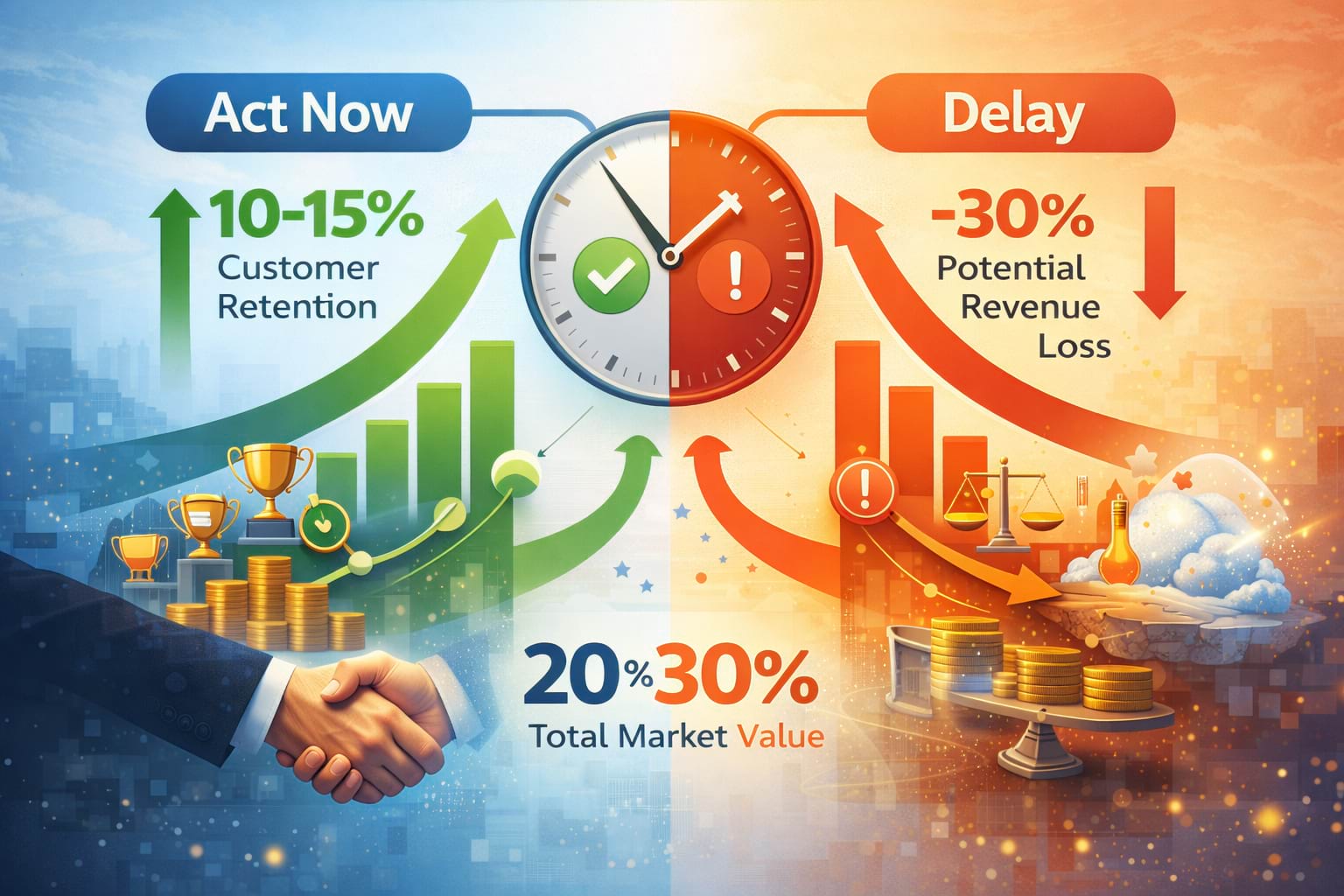
Consider this: businesses that act swiftly to manage their reputation see an average increase of 10–15% in customer retention. Meanwhile, those who delay can lose up to 30% of potential revenue. Waiting to address reputation issues can lead to a snowball effect—one negative review can quickly overshadow your past successes and damage public sentiment. Using an online reputation fixer can help you act quickly and effectively. Research shows that reputation can account for 20%–30% of a company’s total market value, influencing stock valuations and capital costs. Understanding that reputation is essential in both the short and long term can motivate timely action to maintain and enhance your standing. A strong reputation is directly linked to higher market value and increased sales, which ultimately affects the money your business can generate.
Addressing Common Objections About Reputation Management
Many people hesitate to focus on their reputation management due to misconceptions:
- “I don’t have time.” Managing your reputation doesn’t have to be time-consuming. Start small by regularly monitoring online reviews and engaging with your community.
- “I can’t change what people think.” While you can’t control public opinion entirely, you can influence it by showcasing positive experiences and engaging with your audience.
- “It’s too late for me.” Every effort counts. Even a poor image can be rehabilitated with consistent effort, transparency, and honesty.
How to Protect and Enhance Your Reputation
Building positive credibility requires effort and strategy:
- Engage with your audience: Respond to reviews and feedback, whether positive or negative. This interaction helps maintain a sense of connection and shows you value others’ opinions.
- Showcase testimonials: Highlight customer success stories to build credibility and demonstrate the value of your products or services.
- Be transparent: Honesty fosters trust. Admit mistakes and share how you’re improving. Transparency plays an essential role in reputation management by creating loyalty and trust with your customers. Maintaining transparency involves regularly connecting with stakeholders to understand their perceptions and sharing company-related information, especially during crises.
Building a good reputation requires consistent action that embodies the characteristics you want others to associate with you. To guide your efforts, explore this complete guide to individual online reputation management to protect and enhance your digital image. It is harder to build than to destroy, so regular engagement and transparency are key. Reputation is built over time through a steady record of good behavior in social interactions, serving as a credible signal to others that they can trust you.
Taking these steps can help ensure that your reputation aligns with your goals, fostering trust among customers, employees, investors, and partners alike. Reputation is a critical intangible asset that drives revenue and attracts talent, making it essential to manage proactively.
The Role of How Others Perceive You in Reputation
How others perceive you or your business shapes your reputation and influences future interactions. A person’s reputation is essentially the collective perception held by their community, customers, and stakeholders. Managing these perceptions through authentic communication and consistent behavior is vital to maintaining a positive reputation. Being aware of how others perceive your actions allows you to adapt and strengthen your image effectively.
Real-World Examples of Reputation Impact
Consider the case of Starbucks. When they faced backlash for an incident at a Philadelphia store, they responded by closing all stores for racial bias training. This proactive approach not only repaired their reputation but also strengthened customer loyalty.
On the other hand, United Airlines took a significant reputational hit after forcibly removing a passenger from an overbooked flight. Their slow, inadequate response to public outcry resulted in lasting damage to their brand.
These examples highlight how external factors and public sentiment can influence a company’s reputation and why timely, transparent communication is critical. To understand this deeper, explore how reputation is the foundation for trust. They also show the failings that can occur when companies do not act swiftly or openly. When a crisis occurs, it is critical to act quickly and communicate directly with stakeholders to minimize long-term damage.

Reputation and Its Impact in the Long Run
Your reputation is not just about first impressions; it plays a critical role in your long-term success. Consistently maintaining trust and credibility builds social capital, opening doors to lasting partnerships and opportunities. Investing in your reputation today ensures sustained growth and resilience against future challenges.
The Path Forward to Take Action on Your Reputation Today
Now that you understand the importance of reputation, it’s time to act. Start by assessing your current reputation online. What do reviews say? How do customers and others perceive your brand or personal image? This assessment will guide your next steps in effectively managing your reputation.
If you want to apply this without trial and error, sign up for our reputation management resources today. Our tools and insights can help you cultivate a positive reputation that builds trust and adds value to your company or personal brand.
FAQs About Career & Business Reputation
Q1: Why is my reputation important for my career?
Your reputation plays a critical role in career advancement. Employers often evaluate candidates based on their professional and online presence, as it reflects reliability, competence, and integrity. A strong reputation can open doors to new opportunities, while a negative one may limit them, especially in today’s digital-first hiring environment.
Q2: How can I improve my business reputation?
Improving your business reputation requires consistent customer engagement, timely responses to feedback, and showcasing positive customer experiences. Transparency, clear communication, and delivering high-quality products or services are essential. Ongoing learning and strategy refinement can further strengthen your reputation over time.
Q3: What role does social media play in my reputation?
Social media has a major influence on public perception. Positive interactions can strengthen your reputation, while negative content can spread quickly and cause harm. Because digital footprints are long-lasting, actively managing your social media presence is essential to protect and maintain your reputation in today’s connected world.