What You’ll Learn:
- The definition of credibility-related costs and their critical impact on business performance and customer trust.
- Real-world examples illustrate the financial consequences of reputational damage and how different factors influence these outcomes.
- Practical steps and strategies organizations can take to protect and manage their credibility effectively, including resource allocation and policy development.
Understanding Reputational Costs in Business
In a world where a single tweet can ruin a company’s credibility overnight, understanding reputational costs has never been more critical. But what exactly are these expenses? Simply put, they represent the financial and non-financial impacts a business faces due to its credibility. This includes everything from lost sales and legal liabilities to increased marketing expenses and diminished consumer trust. To mitigate these risks, many organizations utilize business reputation management services to monitor and protect their digital footprint. The stakes are high, and the expenses can be astronomical, particularly in today’s hyper-connected environment, where controlling the narrative is difficult, and awareness spreads quickly. Employers and organizational leaders must recognize that credibility-related expenses can affect every part of the business body, from operational performance to employee morale.

Reputation Risk as a Business Threat
Closely linked to credibility-related expenses is reputation risk, the threat to an organization’s name and brand integrity. This risk can arise from both direct actions, like employee misconduct, and indirect factors, such as data breaches or negative social media coverage. Managing credibility risk proactively is essential because it can lead to severe financial losses and operational disruptions if left unaddressed. Organizations that learn how to measure reputational risk and mitigate these threats effectively are better positioned to safeguard their market position and stakeholder trust.
The Hidden Financial Impacts
When incidents occur that threaten a company’s credibility, the financial fallout can be staggering. According to a Harvard Business Review report, companies can lose up to 30% of their market value following a reputational crisis. Let’s look at a couple of real-world examples:
- Volkswagen’s Emissions Scandal: In 2015, Volkswagen faced a massive scandal over its emissions cheating. The company not only faced litigation costs exceeding $30 billion but also saw a significant drop in sales and brand loyalty, which impacted its overall budget and recovery prospects.
- United Airlines’ Customer Service Crisis: The infamous video of a passenger being forcibly removed from a United flight led to a decline in the airline’s stock value of about $1.4 billion in just a few days. The credibility-related expenses extended much beyond immediate financial losses; they impacted consumer trust and loyalty for years, demonstrating how an event can leave a lasting mark on a company’s credibility and public perception.
Coverage of these incidents in the media and online reviews played a significant role in shaping public opinion, suggesting that monitoring such coverage—particularly regarding reputation risk in banking and other sensitive sectors—along with the page views or click activity associated with these stories, is essential for effectively managing credibility-related expenses.
Note: Prices are just examples and may not reflect actual costs.
Why Reputational Costs Matter More Than Ever
In today’s digital age, customers have a plethora of options. If they perceive a brand negatively, they can easily switch to a competitor. Thus, understanding reputation risk is essential for survival. Organizations must recognize that their credibility is an asset—one that can be immensely valuable or devastatingly costly. Protecting this asset means investing in crisis response strategies and proactive credibility monitoring, which should be a key part of any company’s policy and resource planning. People within the organization, including employers and employees, play a critical role in shaping and maintaining this credibility.
Research shows intangible factors account for 81 percent of a public company’s market value, underscoring the importance of reputational capital. Improvements in credibility can lead to a 2.6 percent increase in market capitalization and yield 2.5 times better stock performance compared to the overall market. This highlights that credibility-related costs are not only about losses but also about missed opportunities for growth; consequently, utilizing low-cost social media management can be a strategic way to build this capital without inflating overhead. Strengthening these digital touchpoints ensures a business doesn’t just avoid decline but actively drives increased valuation.

Effective Crisis Management for Reputation Protection
Effective crisis management is vital to minimizing the costs associated with credibility when negative events occur. It involves developing a well-defined plan that includes clear communication strategies, rapid-response protocols, and coordinated efforts across departments. Companies that invest in a crisis response strategy can respond swiftly, control the narrative, and mitigate long-term reputational damage. Moreover, strong reputational capital enables organizations to manage crises more effectively, as stakeholders are more likely to give the benefit of the doubt during challenging times.
The Cost of Inaction
Ignoring credibility-related costs can lead to dire consequences. According to a survey by Reputation Institute, 70% of customers are willing to pay more for a product from a trusted brand. If your company fails to address its credibility, you risk losing not just immediate sales but long-term customer loyalty. Financially, this could translate to millions in lost revenue over time. The opportunity cost of inaction is too high, especially when compared to the price of implementing preventive measures and managing claims effectively. A company’s credibility can influence its ability to attract new clients and retain existing ones, making it critical to place credibility management high on the corporate agenda.
Moreover, reputational costs include ongoing cleanup efforts, such as public relations and management changes, and the loss of business partners, including suppliers and investors, as well as operational disruptions that can result in significant financial and legal expenses. Industry-specific challenges, such as those in automotive reputation management, demonstrate the need for specialized oversight to prevent disruptions. Data breaches and security failures also contribute to reputational damage, leading to distrust and potential lawsuits. These factors, when combined, show how credibility-related costs can cascade across various aspects of a business.
Unethical practices can cause long-term credibility-related costs that far exceed immediate financial gains, as 70% to 80% of a company’s market value is based on intangible assets like brand equity and goodwill. A weak ethical culture can lead to up to ten times more misconduct, resulting in an annual revenue loss of approximately 5%. Increased turnover often happens in companies perceived as unethical, creating a toxic work environment that lowers morale. Heightened enforcement by regulatory bodies can follow unethical actions, leading to fines and lawsuits, while increased regulatory scrutiny can result in fines or licensing issues. Negative public perception develops when a company is associated with scandals or unethical behavior, diminishing brand equity and eroding trust among stakeholders.
Understanding Decision Tension in Reputation Management
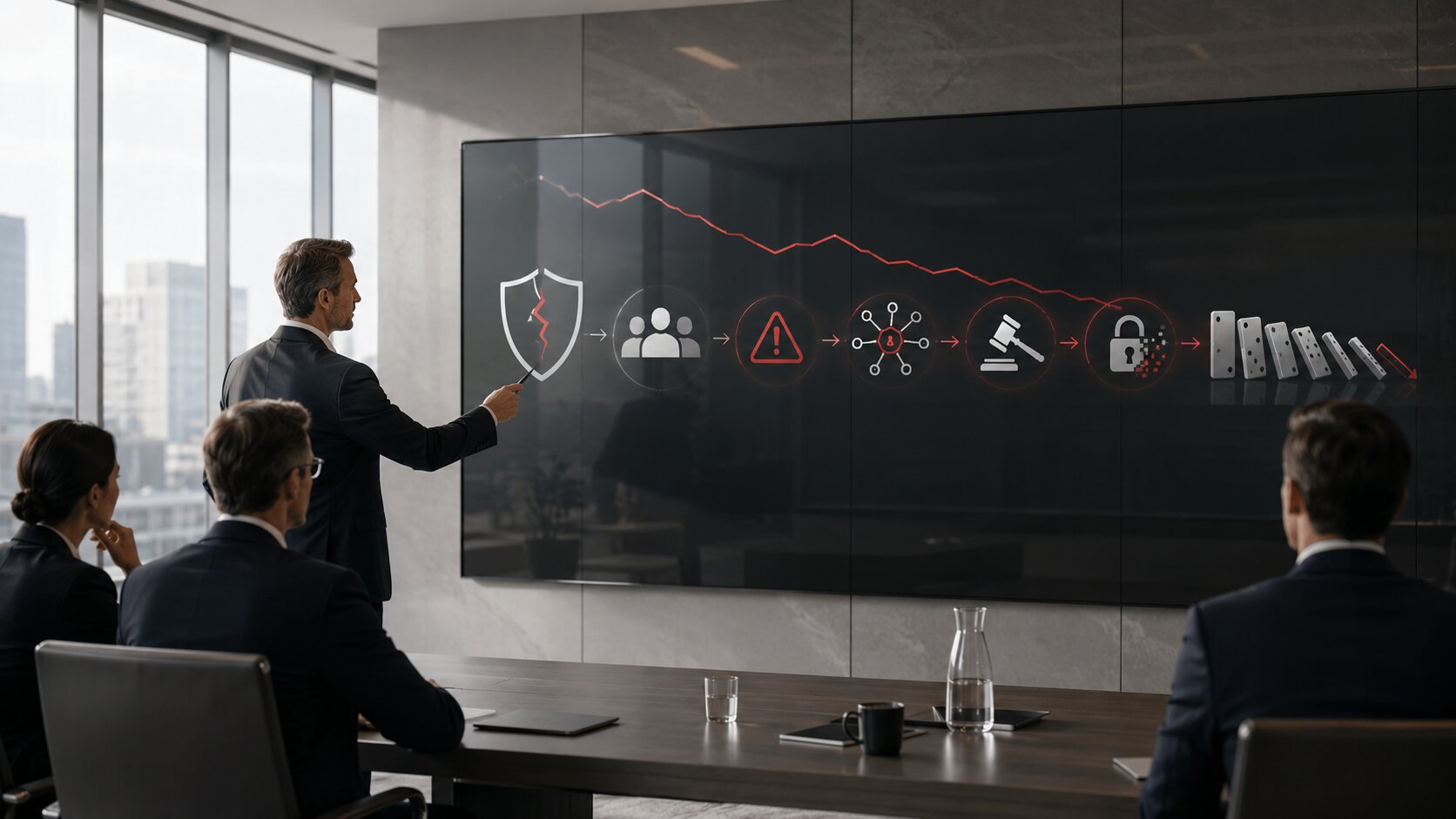
Consider the difference between those who take action and those who wait. Companies that proactively manage their credibility often rebound more quickly from crises and maintain customer loyalty. In contrast, those who delay risk becoming irrelevant. Understanding the various types of reputation—from character to capability—is essential for building a resilient brand. The message is clear: action is not optional. This article provides a prompt for organizations to find the right balance between controlling reputational risks and sharing information transparently with the public and stakeholders. The authors of recent studies suggest that timely and transparent communication can play a pivotal role in mitigating reputational damage.
Companies that build strong reputational capital are 3.2 times more likely to be trusted to manage a crisis than those with average credibility scores. This reputational advantage acts like an insurance policy against disaster, reducing the impact of negative events and facilitating faster recovery.
Common Objections to Address
Here are some common hesitations businesses face regarding reputational risks:
- “Our brand is strong, we don’t need to worry.” Even strong brands can falter. Regularly reassessing your credibility is essential, as reputation demands continuous attention.
- “Crisis response strategy is too expensive.” The cost of a crisis is often much higher than the cost of a proactive plan. Investing dollars upfront in credibility management can save greater losses later.
- “We can handle it if something happens.” The unpredictability of crises means it’s better to prepare than to react. Being unable to respond quickly can exacerbate damage and prolong recovery.
- “Reputational risk insurance can cover us.” While some insurance products cover reputational risk, coverage is often limited and cannot fully indemnify against lost revenues or stock crashes. The best defense remains proactive management and crisis preparedness.
What Happens After You Act?
Taking steps to manage your credibility can feel daunting, but it doesn’t have to be. By implementing a solid credibility management strategy, you’ll likely see a boost in customer trust, increased sales, and a stronger market position. This process can start with a simple step: conducting a credibility audit to identify gaps and areas for improvement. Many organizations find that sharing responsibilities across departments and learning how to mitigate reputational risk by allocating sufficient resources to this effort makes a significant difference. It’s also important to monitor ongoing coverage and public sentiment for months after a crisis to ensure sustained recovery. To better understand the long-term impact of these variables, it is helpful to define what reputation costs are and why they matter to your bottom line.
Monitoring online reviews and media coverage, including click and page analytics, helps organizations respond promptly and effectively to emerging issues. Engaging with customers proactively through social media and other platforms also helps maintain a positive rating and reduce reputational costs.
Steps to Protect Your Reputation
To effectively protect your organization, consider the following actionable steps:
- Conduct a reputation audit to assess current perception and identify sources of risk.
- Develop a crisis response strategy plan that includes communication strategies tailored to different events.
- Engage customers proactively through social media and other publications.
- Monitor online reviews and respond promptly to feedback to maintain a positive rating.
If you want to apply these strategies without trial and error, click here to book a call with us. Our team can help you navigate the complexities of reputational costs and put you on the path to success.
FAQs About Reputational Costs
Q1: What are reputational costs?
Reputational costs are the financial and operational losses that occur when a company’s reputation is damaged. These costs can include lost revenue, declining market value, legal expenses, reduced customer trust, and long-term harm to brand perception and competitive positioning.
Q2: Why should I care about reputational costs?
Reputational damage can directly impact profitability and business stability. A poor reputation may lead to lower customer loyalty, lost sales opportunities, increased litigation risks, operational disruptions, and slower recovery from crises, all of which can weaken long-term business performance.
Q3: How can I mitigate reputational risks?
You can reduce reputational risks by conducting regular reputation audits, developing crisis response plans, and maintaining open communication with customers and stakeholders. Establishing clear policies, monitoring public sentiment, and allocating resources toward proactive reputation management can help minimize potential damage.