What You’ll Learn:
- The critical impact of automotive reputation management on sales, customer trust, and competitive advantage.
- Practical strategies for gathering customer feedback, responding to reviews, and leveraging Google reviews and other online platforms to build a strong online presence.
- How to overcome common objections and implement an effective reputation management plan that drives business growth.
Picture this: a potential automotive shopper is sitting at their computer, scrolling through Google, searching for the best car dealer or auto repair shop in their area. They come across your business, but instead of seeing glowing Google reviews, they find a string of negative feedback. How likely are they to choose you over a competitor with a stellar online reputation? The reality is, in today’s digital landscape, proactive review management and a strong online presence can make or break your sales.
The Critical Role of Reputation in the Automotive Industry
In the automotive industry, customer trust and satisfaction are paramount. Nearly 90% of car buyers rely on online reviews before visiting a dealership, and 84% of consumers trust online reviews as much as personal recommendations. This means your automotive online reputation management strategy needs to be robust and proactive, focusing heavily on gathering more reviews and managing your Google Business Profile, as well as other key platforms and social media sites. Without it, you risk losing potential customers to competitors who actively manage their online presence and deliver improved customer experiences.
A strong reputation management strategy builds trust by emphasizing reliability and quality, which are valuable feedback components. This trust encourages repeat purchases and strengthens long-term relationships, which are essential for business growth in the competitive automotive market. By prioritizing reputation and integrity, you not only build trust but also position your automotive brands as industry leaders, boosting brand visibility and attracting customers who value quality and service—not just price.

Building Trust Through Automotive Online Reputation Management
Automotive online reputation management is the ongoing process of monitoring, influencing, and improving how your automotive business appears across digital platforms. This includes managing reviews on Google, Yelp, DealerRater, and industry-specific sites, as well as engaging with customers on social media. Implementing an effective automotive digital reputation management strategy ensures that your brand maintains a positive image, attracts customers, and remains competitive in today’s digital marketplace.
Understanding the Cost of Inaction
What happens if you do nothing? The cost of inaction in automotive reputation management can be staggering. Let’s break it down:
- Lost Revenue: A single negative review can deter dozens of potential automotive shoppers. If your average sale is $500, just one lost customer can cost you thousands in missed revenue.
- Competitive Disadvantage: While you sit idle, your competitors are likely engaging with their customers online, gathering new reviews, and cultivating a strong reputation on Google and other review sites. This can lead to a significant market share loss over time in this highly competitive market.
- Time Wasted: Every day you delay is another day where negative reviews go unanswered, and potential customers are lost. Each unaddressed review is a missed opportunity to turn a dissatisfied customer into a loyal one.
Why Waiting Can Cost You More
Have you ever noticed how quickly a single angry customer review can snowball? The longer you wait to address it, the more likely it is to tarnish your brand promise and overall brand perception. On the flip side, automotive businesses that understand that their credibility is at stake and actively manage their online reputation can turn negative experiences into positive ones, showcasing their responsive customer support and clear communication on social media sites and review platforms.
For instance, a local car dealership faced a barrage of angry customer reviews and social media comments. Instead of engaging, they chose to ignore it. Over the course of a year, they saw a 30% drop in new customers, while their competitor, who swiftly addressed negative feedback and showcased positive feedback in their marketing materials, gained significant market share.

Addressing Common Objections About Reputation Management
Many automotive businesses hesitate to invest in reputation management for various reasons. Let’s address some common objections:
It’s Too Expensive
While there may be upfront costs, consider the long-term savings from retaining customers and attracting new ones. Investing in automotive reputation management and modern review-gathering tools can increase customer satisfaction, loyalty, and sales, making it a smart financial decision.
We Don’t Have Time
Incorporating reputation management into your daily operations doesn’t have to be time-consuming. With automated review collection and digital tools that integrate customer data, you can streamline the process, allowing you to focus on what you do best—serving your customers and improving the sales process. Understanding why your reputation is important helps ensure these tools are used effectively to protect your brand’s long-term value.
Negative Feedback Is Bad for Business
Not necessarily! When handled correctly, negative feedback provides valuable insights into your customer experience and vehicle maintenance services. Addressing these reviews publicly shows potential customers that you care about their satisfaction and are committed to improving your auto services. This valuable feedback helps your business adapt and grow stronger.

Building a Strong Automotive Reputation Management Strategy
Now that you understand the importance of reputation management, how can you effectively implement an automotive reputation management strategy? Here are actionable steps tailored for auto dealers, auto repair shops, and auto parts retailers:
- Gather Customer Feedback: Regularly solicit feedback from car buyers through surveys or follow-up calls. Use this valuable data to improve your marketing communications and overall buying process.
- Respond to Reviews: Engage with both positive and negative reviews on Google and other key platforms. Thank your satisfied customers and address any issues raised by unhappy ones. This shows that you value customer relationships and helps attract customers.
- Leverage Social Media and Google Reviews: Be active on social media platforms and ensure your Google Business Profile is optimized. Share customer testimonials, success stories, and respond to social media comments to enhance your digital presence and attract local businesses.
- Monitor Review Sites: Keep an eye on multiple channels where reviews are posted. This includes Google, Yelp, DealerRater, and auto-specific sites. Consistent monitoring allows you to address issues quickly and maintain a positive digital reputation.
- Encourage Positive Reviews: After a successful transaction or vehicle maintenance service, send automated review requests to encourage satisfied customers to share their experiences online and generate more reviews. A robust bank of positive reviews buffers your brand’s overall rating against occasional negative feedback.
Building Trust in Auto Repair Shops’ Reputation Management
Auto repair shops face distinct challenges in reputation management due to the nature of their services. Clear communication, transparency about repair costs, and timely updates are crucial to avoid misunderstandings that often lead to negative feedback. By learning effective brand reputation management strategies to build trust through honest service and actively encouraging satisfied customers to leave positive reviews, an auto repair outlet can build a strong reputation that attracts repeat business and referrals.
Enhancing Trust Among Automotive Brands
Automotive brands must prioritize reputation management to build lasting trust with their customers. By actively engaging with online reviews and showcasing a commitment to quality and service, brands can differentiate themselves in a crowded market and foster customer loyalty.
Reputation Management for Automotive Businesses
Automotive businesses of all sizes benefit from a proactive reputation management strategy. Consistently monitoring customer feedback and responding to customer concerns helps maintain a positive brand image, which is essential for sustaining growth and competitive advantage.
Handling an Angry Customer Review Effectively
Addressing an angry customer review promptly and professionally is crucial for protecting your brand’s reputation. A thoughtful response that acknowledges the issue and offers a solution can turn negative experiences into opportunities to demonstrate your commitment to customer satisfaction.
Strategies to Attract Customers Through Reputation
A strong online reputation is a powerful tool to attract customers in the automotive industry. Positive reviews, an engaging social media presence, and transparent communication build trust, encouraging potential buyers to choose your business over competitors. Implementing a proactive crisis reputation management plan ensures that, even when unexpected issues arise, your brand remains resilient and maintains the confidence of your audience.
Linking Reputation Management to Business Outcomes
Effective automotive reputation management directly influences business outcomes by increasing customer acquisition and retention. By investing in reputation strategies, automotive businesses can see measurable improvements in sales, brand visibility, and long-term profitability.
Building Trust for Auto Parts Retailers
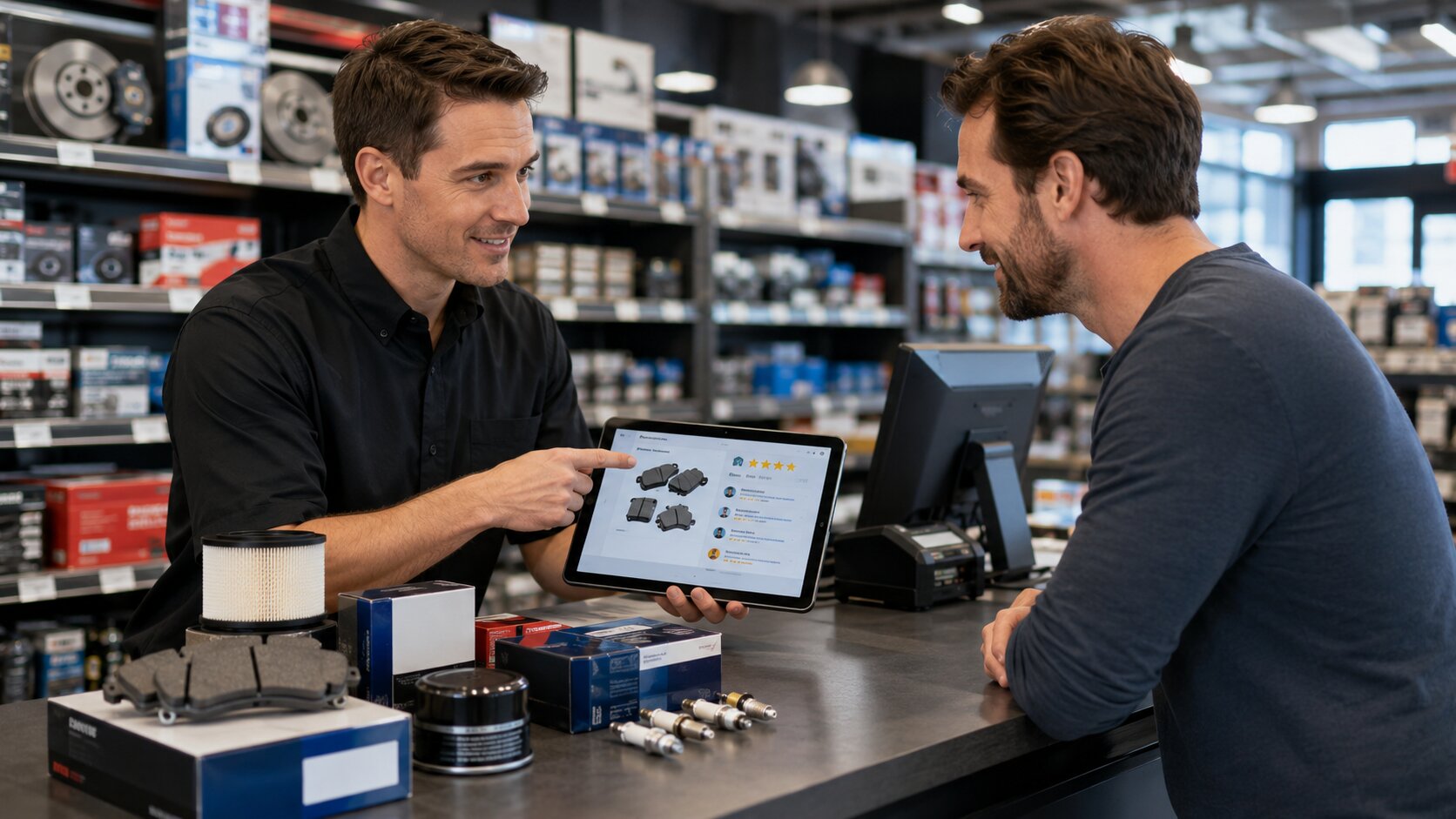
For auto parts retailers, reputation management involves not only managing online reviews but also demonstrating product knowledge and excellent customer service. Providing detailed product information, helping customers find the right parts, and promptly addressing concerns can generate positive feedback. By following best practices for automotive reputation management, auto parts retailers can stand out in a competitive market and attract loyal customers who trust their expertise.
Creating Momentum Towards Action
Understanding the value of an effective reputation management strategy is one thing; taking the steps to implement it is another. If you want to put your reputation management strategy into action, consider the following:
- Start with a review audit. Identify your current standing on Google and other review sites.
- Set specific goals for your reputation management efforts. For instance, aim to increase your average star rating by 1 point over the next 6 months.
- Invest in modern tools to automate review requests and monitor your online presence, ensuring seamless digital experiences for automotive shoppers.
If you want to apply this without trial and error, book a call with us today to discover strategic approaches tailored to your business.
Final Steps to Boost Your Automotive Reputation
Your automotive reputation is not just a reflection of your business; it’s a crucial factor in driving sales and fostering customer loyalty. Don’t let the opportunity to improve your business outcomes slip by. By taking action now, you can build a strong online presence that attracts and retains loyal customers.
Make the decision to manage your reputation today. The fastest way to avoid these mistakes is to book a call with us and start cultivating the strong reputation your business deserves.
FAQs About Automotive Reputation Management
Q1: What is automotive reputation management?
Automotive reputation management is the process of monitoring and shaping how automotive businesses are perceived online. This includes managing reviews, customer feedback, and social media interactions for car dealerships, repair shops, auto parts retailers, and automotive brands.
Q2: How can I improve my online reviews?
You can improve your online reviews by consistently asking satisfied customers for feedback, responding quickly to reviews on platforms like Google, and professionally addressing concerns raised by unhappy customers. Showing responsiveness and accountability helps strengthen customer trust.
Q3: What are the benefits of having a strong online reputation?
A strong online reputation can increase customer confidence, improve conversion rates, and encourage repeat business. In the competitive automotive industry, positive reviews and strong customer perception can directly influence sales and long-term loyalty.