What You’ll Learn:
- Essential components and strategies for creating an effective reputation management plan that enhances your brand image.
- Real-world examples demonstrate successful reputation management and how timely responses to feedback can rebuild trust.
- Practical steps and tools to monitor, engage, and promote positive customer experiences to maintain a strong online presence.
The Hidden Cost of Ignoring Your Brand’s Reputation
Did you know that 84% of consumers trust online reviews as much as personal recommendations? Nearly 75% of consumers expect brands to respond within 24 hours. If your business isn’t actively managing its online reputation, you could be missing out on significant revenue. A tarnished reputation can lead to a 22% increase in customer churn, resulting in thousands, if not millions, of dollars in lost revenue. A single negative review can haunt your brand for years. This highlights the critical importance of utilizing professional business reputation management services that implement both proactive and reactive strategies.

Key Elements of an Effective Reputation Management Strategy
A successful reputation management strategy relies on transparency, responsiveness, and engagement with your audience. Here are the core components you should include in your online reputation management strategy:
- Monitoring: Use the right reputation management software and tools to track brand mentions across social media platforms and review sites. Reputation monitoring is essential to stay ahead of potential issues and manage your Google Business Profile effectively. Tools like Google Alerts notify you of new web content about your brand, helping you stay informed in real time and maintain a positive online reputation.
- Engagement: Actively respond to customer feedback, both positive and negative, to build trust and foster a positive brand reputation. Responding to negative reviews can increase customer trust by 50%, underscoring the importance of timely, empathetic replies. Encouraging customers to share their experiences and effectively managing social media campaigns help amplify your brand’s positive attributes and strengthen your online reputation.
- Content Creation: Develop high-quality content that showcases your brand values, positive customer experiences, and thought leadership. This content not only enhances your SEO but also helps your brand leverage social listening insights to maintain a strong online presence and improve your online reputation.
- Crisis Management: Have a protocol in place to handle negative reviews and minimize damage through timely, empathetic responses. This is a crucial part of any strong reputation management strategy. Having clear protocols for crisis communication improves how you handle public relations issues and protects your online reputation and brand image.
The Role of Customer Feedback in Brand Reputation Management
Customer feedback is essential for building and maintaining a good reputation. It helps businesses understand their strengths and areas needing improvement, fostering better customer satisfaction. By proactively collecting and addressing feedback, companies can learn how Google reviews for business turn customer feedback into sales, enhancing their brand reputation management and building stronger relationships with their audience. Review management plays a key role here, ensuring that feedback is acknowledged and acted upon. Responding to reviews within 24-48 hours shows customers that you care, which is vital in building loyalty.
Harnessing the Power of Social Media
Social media is a vital platform for online reputation management and reputation management. It enables direct customer interaction, enabling businesses to respond promptly to both praise and complaints. Monitoring social media conversations with social listening tools helps brands stay informed about their online presence and engage potential customers effectively. By actively tracking social media mentions, companies can quickly address any issues with their reputation management before they escalate. Social listening involves tracking mentions across social media and review platforms, enabling brands to understand public sentiment and respond accordingly.

Reputation Management Tools
Using reputation management software simplifies monitoring and managing your brand’s online presence. These tools offer features like sentiment analysis, review tracking, and automated alerts, making it easier to respond quickly and maintain a positive brand image. Finding the best online reputation management tools for businesses is key to executing a strong strategy and ensuring your Google Business Profile is optimized for visibility. Popular ORM tools like Brandwatch and CisionOne provide comprehensive capabilities for managing your online presence, including automating responses to customer feedback and reviews.
Real-World Examples of Reputation Management Success
Let’s explore two companies that successfully transformed their reputations through effective strategies.
Case Study 1: Zocdoc
Zocdoc, a healthcare appointment-booking platform, faced criticism over system glitches. Instead of avoiding negative feedback, they launched a proactive reputation management strategy. They introduced a customer feedback program that encouraged users to share their experiences. This approach not only improved their service but also led to a 300% increase in positive reviews in just six months.
Case Study 2: United Airlines
In 2017, United Airlines faced a public relations nightmare when a passenger was forcibly removed from a flight. Their initial response drew widespread criticism. However, they turned this around by implementing a transparent communication strategy and establishing a dedicated customer service team to handle inquiries. Within a year, their approval ratings rose by 20% as they focused on rebuilding trust with their customers. This example highlights how responding to reviews within 24-48 hours and showing empathy can help recover from online reputation damage.
How to Build Your Reputation Management Plan
Now that we understand the framework, let’s get practical. Here’s how to create your own effective reputation management plan:
Step 1: Set Clear Goals
- Identify what a good reputation looks like for your business.
- Establish measurable objectives, such as increasing positive reviews by 30% over the next six months.
Step 2: Choose the Right Tools
Invest in online reputation management tools that include review monitoring, sentiment analysis, and social media tracking. Some popular options include:
- Reputation.com
- BrandYourself
- Google Alerts
Step 3: Monitor and Respond
Regularly check review sites and social media platforms for feedback. Utilizing a dedicated reputation tracker allows you to respond promptly to both positive and negative comments. This shows you value customer input and can significantly enhance customer trust. Timely responses within 24-48 hours demonstrate your commitment to customer satisfaction and help mitigate the effects of a bad reputation. An effective online reputation management approach ensures you stay on top of all customer interactions and maintain a positive public image.
Step 4: Create Positive Content
Share customer success stories, testimonials, and positive reviews through your website and social media channels. This approach will help cultivate a positive brand image and overshadow negative feedback. Encouraging customers to leave reviews and leveraging review management tools can amplify your positive brand reputation. Integrating online reputation management practices into your content strategy strengthens your brand’s credibility and visibility.
The Importance of Online Reviews
Online reviews are a critical component of brand reputation management. They influence potential customers’ decisions, directly impacting your overall reputation and search engine rankings. Encouraging more positive reviews and managing negative ones effectively can significantly boost your company’s reputation and customer satisfaction. Positive reviews can boost sales by three times compared to negative ratings. Incorporating online reputation management techniques helps you maximize the impact of reviews on your business growth.
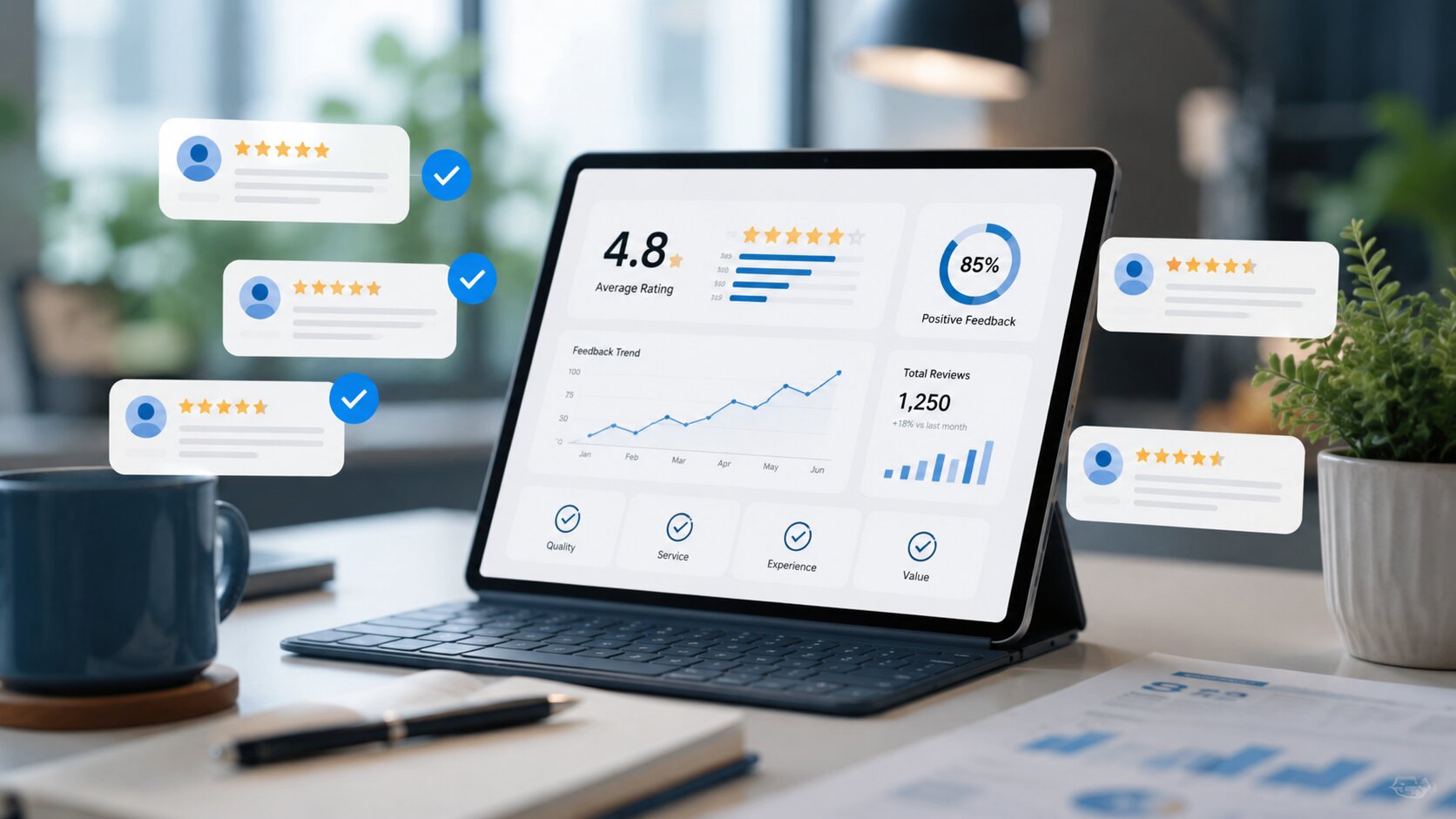
Building Customer Satisfaction Through Engagement
Customer satisfaction is at the heart of maintaining a good reputation. Engaging with customers by addressing their concerns and appreciating their positive comments fosters loyalty and encourages repeat business. A strong focus on customer satisfaction helps ensure your brand is perceived positively online. Businesses that leverage social listening and reputation monitoring can better understand customer sentiment and respond accordingly, making online reputation management a continuous and dynamic process.
Choosing the Right Online Reputation Management Tool
Selecting the right online reputation management plan tool is essential for efficiently tracking and responding to customer feedback across multiple platforms. These tools help businesses monitor social media posts, online directories, and review sites, enabling timely and brand-aligned responses that maintain a strong brand reputation. Popular ORM tools such as Brandwatch and CisionOne offer comprehensive capabilities for managing your online presence.
Benefits of Using Reputation Management Software
Reputation management software streamlines monitoring customer sentiment and managing both positive and negative reviews. By exploring everything you need to know about online reputation management software, businesses can learn how automating alerts and providing analytics empowers marketing teams to proactively address customer complaints and encourage positive feedback, ultimately fostering a positive online reputation.
Building and Maintaining a Good Reputation
A good reputation is the foundation of business success, built through consistent excellent customer service and active engagement with happy customers. Businesses that leverage social listening and respond thoughtfully to customer comments can cultivate a strong brand reputation that attracts new clients and retains loyal ones.

Addressing Common Concerns
Adopting a reputation management strategy might feel overwhelming, but here are some common objections and how to tackle them:
It’s Too Time-Consuming
While it may seem daunting at first, integrating reputation management into your daily operations, including monitoring social media channels, can save time in the long run. Addressing issues as they arise prevents them from escalating.
What If Negative Feedback is Unjustified?
Every customer opinion is valid, regardless of its basis. Use criticism from social media and other sources as an opportunity to improve your services and show your commitment to customer satisfaction.
Isn’t Reputation Management Just for Big Brands?
Small businesses can benefit immensely from a strong reputation. In fact, 70% of consumers are more likely to support a local business with positive online reviews. Moreover, 98% of consumers research businesses online before purchasing, making a strong reputation management strategy essential for businesses of all sizes. Reviewing real-world examples of online reputation management shows how social media plays a crucial role in shaping perceptions and offers a valuable platform for engagement.
Creating Momentum with Your Reputation Management Efforts
Once you’ve established your reputation management plan, keep the momentum going by regularly reviewing your goals and adjusting your strategies. This ongoing effort, especially on social media, will help ensure your brand maintains a positive online presence.
How Taking Action Can Benefit Your Brand
By actively managing your brand’s reputation, you not only safeguard your current customer base but also attract new clients. A strong reputation can lead to increased sales, better customer retention, and a loyal following.
Are You Ready to Elevate Your Brand?
If you want to implement this without trial and error, consider taking action today by downloading our comprehensive reputation management resource. This guide will provide actionable steps and templates to streamline your efforts.
FAQs About Reputation Management Plans
Q1: What is a reputation management plan?
A reputation management plan is a structured strategy for monitoring, protecting, and improving how your brand is perceived online. It outlines processes for responding to negative feedback, promoting positive content, managing reviews, and maintaining a consistent brand image across digital channels.
Q2: How can I monitor my brand’s online reputation?
You can monitor your online reputation using tools such as Google Alerts, BrandYourself, Reputation.com, and other social listening or review management platforms. These tools help track brand mentions, customer feedback, and online conversations across search engines, social media, and review websites.
Q3: What should I do about negative reviews?
Respond quickly, professionally, and with empathy. Acknowledge the customer’s concerns, apologize when appropriate, and offer a solution or invite them to continue the conversation privately. Thoughtful responses demonstrate your commitment to customer satisfaction and can help rebuild trust with both the reviewer and future customers.