What You’ll Learn:
- Understand why digital reputation matters for modern businesses and how it shapes customer trust, acquisition, and loyalty.
- Learn how online reviews, social media presence, and Web search visibility impact your brand's digital footprint and overall success.
- Discover practical strategies for proactive reputation management to build a positive online presence and gain a competitive advantage.
Why Is Online Reputation Important for Business Online?
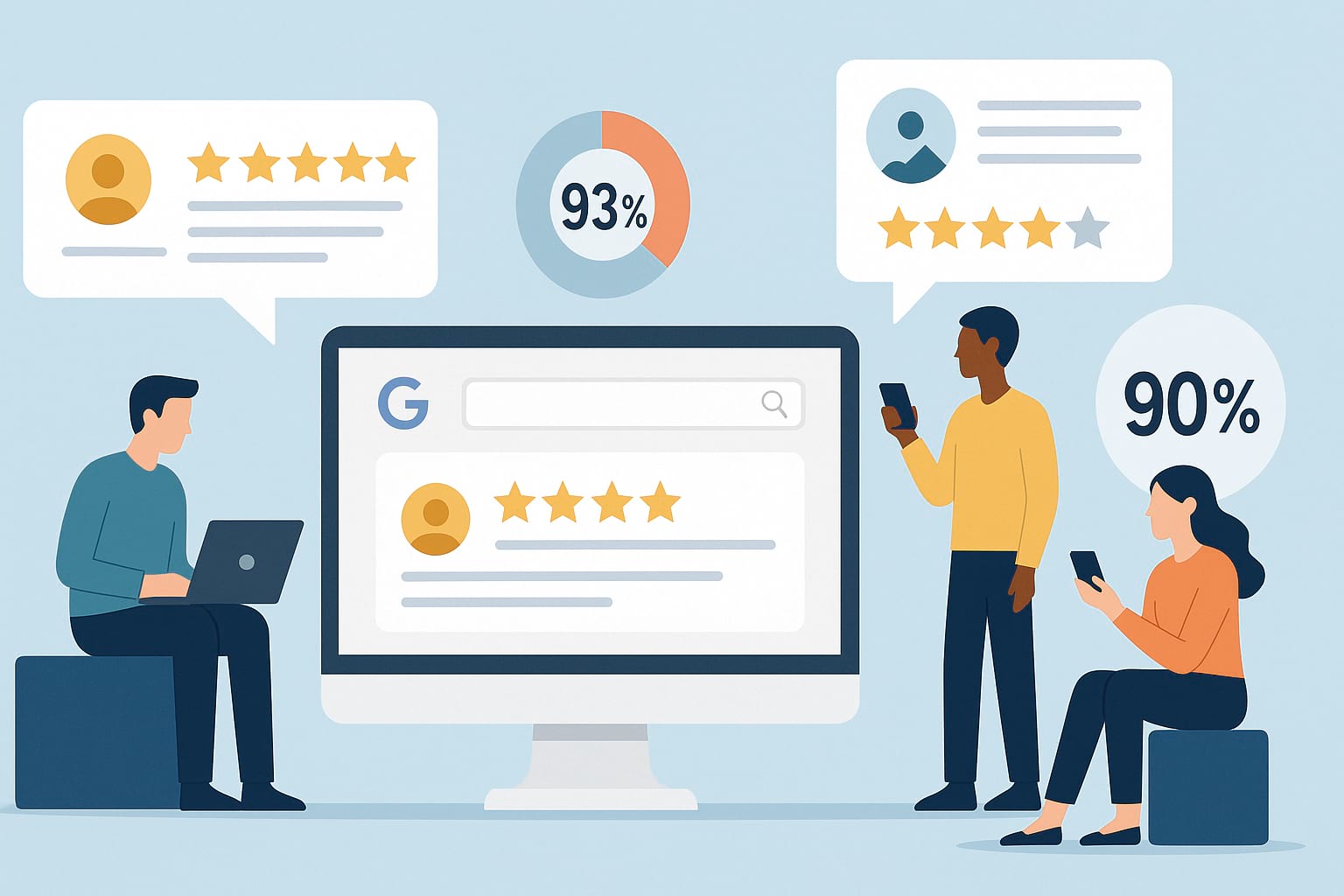
Why is online reputation important? For an online business, it shapes whether people trust a company, choose it over competitors, and return as customers. More than 90% of customers read online reviews before purchasing, and many research a company before spending money. Your company's online presence can make or break trust, acquisition, and loyalty, driving repeat business and growth. A strong reputation builds credibility, attracts more customers, and supports increased sales; a poor one can reduce traffic and revenue. For business owners, managing reputation is part of everyday business operations. Resources like our Wikipedia services can help strengthen credibility across search results.
What This Guide Covers & Why It Matters
This guide explains why digital reputation matters and offers practical advice for building positive customer relationships. Reviews, customer engagement, and a consistent online presence provide valuable insights into customer expectations and help businesses improve. It also highlights the role of digital marketing in keeping your brand visible across the platforms where customers spend time. ReputationPrime can be a valuable partner in managing and enhancing your digital reputation.
Getting a Grip on Your Digital Reputation and Digital Reputation Management
Your digital reputation—what people really think of you online—is shaped by reviews, social media, search results, and interactions across digital platforms. For any business online, managing that perception is vital to winning customers and supporting growth. Your current online reputation forms at every customer touchpoint, from your website and Google Business Profile to social media pages and third-party listings.
Unlike word of mouth in real life, online content can remain visible to anyone, making it essential to keep your image in good order. Your digital footprint is a valuable asset that can draw people in and strengthen your brand, especially when supported by effective strategies like our ORM digital marketing services. Individuals should also manage privacy settings to help protect against identity theft; for job seekers, a clean digital footprint can strengthen applications, since recruiters routinely screen candidates online.
Online Reviews – Why Online Reputation Matters and How They Can Make (or Break) Your Business
More than 3 in 4 people believe a stranger who writes something nice about a business online, and many shoppers read one to six reviews before deciding. Listings such as Google Business Profile and Yelp showcase customer reviews and help prospective customers assess your service. Google reviews and other recent reviews can improve visibility in search results and attract more customers, while review patterns reveal ways to improve satisfaction and encourage repeat visits. Companies with 38 reviews have been found to rank higher than those with 14, making review signals important for local businesses.
Social Media Presence, Digital Interactions & Digital Marketing
Social media platforms represent your brand publicly, and every interaction can shape its reputation. Stay active across relevant social media channels by maintaining your pages and responding to questions. Positive posts from satisfied customers act as social proof, encouraging others to trust and engage with your brand and helping build a positive digital reputation.
Search Results, Online Visibility & Digital Presence
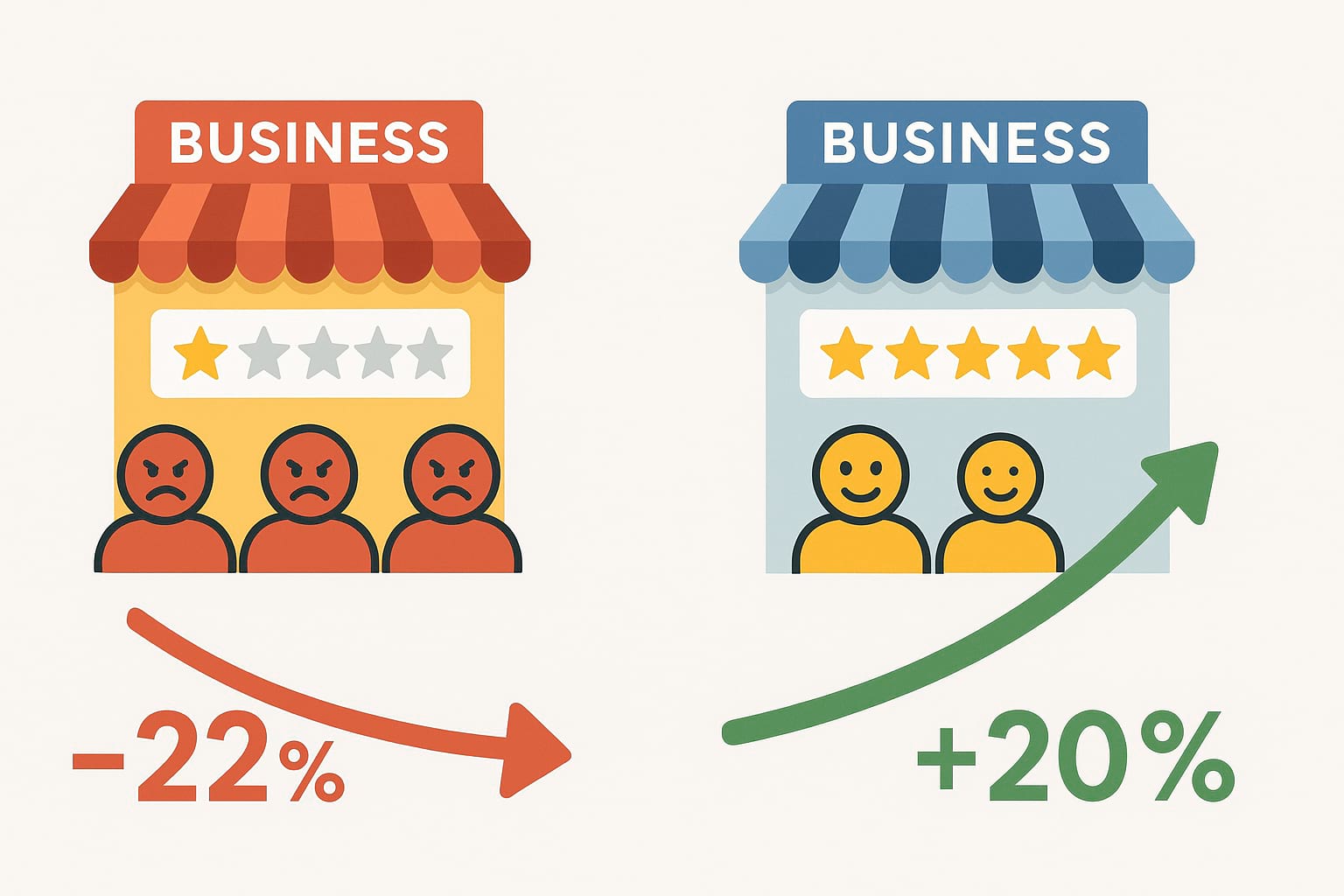
In fact, 75% of people click the top search results, so making a good first impression matters. Keeping your business listing and content in order with search engine optimization (SEO) helps your brand stay visible online. Google Business Profile signals and review signals are leading factors in local search; responding to reviews can also support local rankings. But damaging content—whether from a disgruntled ex-employee or misinformation—can quickly deter potential customers. A one-star rating decrease may reduce traffic by 22% and revenue by 18–24%, underscoring reputation's direct impact. That's why proactive reputation management, supported by tools like our review management service, is essential.
Building a Strong Online Reputation and Digital Footprint
Your online presence across review sites, social platforms, and search results forms your digital footprint. A strong online reputation builds customer trust and encourages engagement; when negative content appears, addressing it promptly can put your reputation back on track. One bad experience can drive customers away, so every touchpoint matters.
Proactive reputation management means sharing accurate, positive information about your brand, listening to customer feedback, and responding thoughtfully to negative reviews. These consistent efforts help build positive relationships and turn a happy customer into an advocate. Ask customers for honest feedback—70% will review a business when asked—and never offer incentives in exchange for reviews. With the customer's permission, you may feature a great review in marketing materials.
Online reputation management services can help you monitor your digital footprint, understand public sentiment, and ensure the information being shared about your brand is accurate. Google Alerts can flag mentions and news stories, including negative press, so teams can respond promptly.
Create an Online Reputation Management Strategy
An online reputation management strategy should combine regular monitoring, clear response guidelines, and useful content that reflects your brand values. Review customer feedback across platforms, and use what you learn to improve satisfaction and maintain a consistent online presence. Thank reviewers, address concerns in review responses, and take detailed conversations offline when appropriate. Some customers who leave negative comments are seeking an apology; respond with empathy, investigate the issue, and follow through. A single negative review need not define a business when it is handled constructively.
Business Impact: Revenue, Growth, and Competitive Advantage
Your online reputation affects how customers see your company, how much it costs to attract them, and whether they convert and remain loyal. A company's reputation is a valuable asset that builds trust and supports success, especially when backed by strong content strategies, as outlined in our ultimate guide to social media management and content creation services for business success.
Customer Acquisition and Conversion Rates and Brand Image
Companies with a 4-star rating or higher see about 56% more clicks and 28% higher conversion rates. Even a modest rating improvement, such as from 4.3 to 4.6 stars, can boost sales. When your company has a strong online reputation, you can reduce marketing costs because your business appears more prominently in search results and earns customer trust. Reviews provide social proof that makes prospective customers more likely to click and convert. Responding to feedback can be the deciding factor when customers compare your business with competitors.
Customer Loyalty and Retention
Good online interactions can boost a customer's lifetime value by 23%, helping turn customers into loyal advocates who recommend your company to friends. Loyal customers support retention and long-term growth, and companies with positive reviews often see stronger customer loyalty. Listening to existing customers and acting on feedback can reveal practical improvements and encourage more positive reviews.
Market Positioning and Competitive Differentiation Through Customer Sentiments
A strong digital reputation sets you apart from competitors by presenting your business as trustworthy and reliable. It can help you retain customers, justify premium pricing, and reduce the impact of occasional negative reviews. Positive sentiment can also support hiring, employee retention, and new business opportunities.
The Importance of Keeping It Real
Transparency is key to building trust. Be open with customers, take their concerns seriously, and don't leave them chasing you for help. If you receive a negative review, respond with empathy; this can limit reputational damage and show that you are willing to learn and improve, particularly when guided by strategies like those in our complete online review strategy guide.
Keeping Your Digital House in Order
Effective online reputation management means staying ahead of potential problems and creating an environment where customers feel valued and heard.
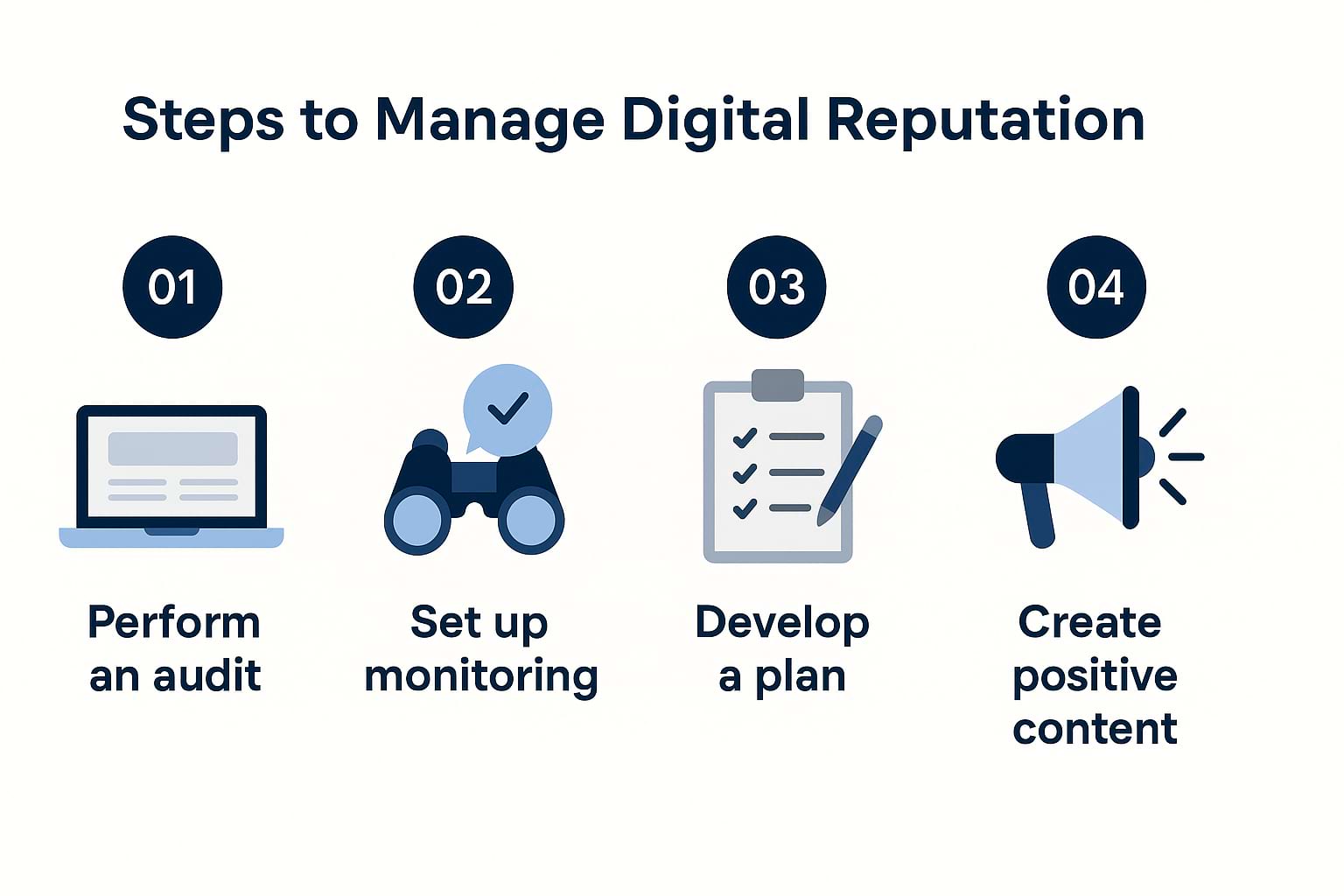
Step-by-Step: Putting a Real Reputation Management System in Place
- Audit your digital platforms to understand what is being said and where updates are needed.
- Use tools such as Google Alerts to track brand mentions and new reviews.
- Create response guidelines so your team can reply professionally, including when situations become difficult.
- Plan content, such as a helpful blog post, that reflects your brand and highlights customer success.
- Prepare a crisis response plan so you can address problems quickly.
In-House vs. Agency Reputation Management
Note: Prices are just examples and may not reflect actual costs.
Creating a Positive Online Image in the Digital Age
A positive online footprint attracts and retains customers, strengthens your brand, and builds a positive online reputation. Managing social media interactions and responding to feedback can increase loyalty and encourage further engagement. When satisfied customers share positive experiences, that social proof can attract new customers and enhance your reputation.
Measuring Online Success
Monitor search rankings, customer sentiment in reviews, and digital media engagement to assess your reputation management efforts. Combining search engine optimization with reputation management can improve visibility in online directories. Analyzing customer feedback can reveal ways to improve satisfaction and support sustainable growth, as discussed in this guide on online reputation management for businesses. Customer surveys can complement public reviews, though review sites also offer valuable feedback at no cost.
Why Customer Feedback Matters to Your Online Reputation
Customer feedback reveals how people experience your brand across reviews, social media, and other digital channels. Paying attention to these comments helps you identify service gaps, respond to concerns, and strengthen trust with current and prospective customers. Positive reviews can support increased sales, while unresolved negative comments may send prospects elsewhere.
Customer Satisfaction and Long-Term Loyalty
Customer satisfaction plays a central role in a positive digital reputation. When businesses listen, resolve issues, and deliver consistently helpful experiences, customers have more reason to return, recommend the brand, and share positive reviews. Because a poor experience can drive customers away, consistent service is essential to retention.
Online Presence Builds Trust and Visibility
A consistent online presence helps customers find reliable information about your business and understand why it's trustworthy. Keep key profiles accurate, publish useful content, and engage with customers so your brand remains visible and credible across digital platforms. Use customer feedback to identify strengths worth highlighting and issues that need attention.
Business Success Starts with a Strong Reputation
A strong online reputation supports business success by helping potential customers feel confident choosing your company. Positive reviews, clear communication, and responsive customer service can improve visibility, encourage conversions, and support lasting growth. A strong reputation also helps a business manage crises effectively.
Common Challenges and Solutions
Managing Negative Reviews and Crisis Response
Respond quickly and empathetically to harmful content to show your commitment to customer satisfaction and protect your reputation. Addressing issues promptly helps limit damage and foster trust among consumers who rely on transparent communication. If negative press or inaccurate news stories arise, investigate and share clear, factual information rather than engaging in a public argument.
Generating Consistent Positive Reviews and Strengthening Customer Relationships
Request reviews after positive customer experiences to gather authentic feedback and strengthen customer relationships. A happy customer may be willing to share a great review; make the process easy and ask without pressure. Encouraging customers to share their experiences can build your digital brand presence, reinforce your online reputation, and help attract more customers.
Maintaining Brand Consistency Across Platforms
Develop brand guidelines, run regular audits, and use content calendars to stay consistent across digital platforms. Consistent, trustworthy information helps build a solid reputation and strengthens your position in a competitive market.
Action Steps to Boost Customer Trust and Digital Reputation
- Perform a comprehensive reputation audit.
- Implement monitoring and response protocols to identify and address issues early.
- Develop a long-term content strategy centered on positive reviews and customer success stories that align with your brand values.
- Encourage customers to share experiences and contribute user-generated content to strengthen your digital reputation and support business growth.
Digital Reputation FAQs
Q1: What is digital reputation, and why does it matter?
Digital reputation is how your brand appears online through reviews, social media, and search results. It matters because it influences customer trust, purchasing behavior, and long-term business success.
Q2: How does digital reputation affect my business?
A positive online reputation can attract and retain customers and increase revenue. A negative reputation can drive prospective customers away and harm overall performance.
Q3: What is online reputation management?
Online reputation management (ORM) involves monitoring your brand's digital presence, addressing customer feedback, promoting positive content, and managing crises to improve public perception.
Q4: How do I improve my business's online reputation?
Listen to customers, encourage positive reviews, stay active on social media, respond to harmful content promptly, and share useful content that reflects your brand values.
Q5: Why respond to negative reviews?
Responding to negative reviews shows that you care about customer experience, helps reduce the impact of harmful content, and can turn dissatisfied customers into loyal advocates. Many people who leave negative feedback want an apology, so acknowledge the concern and explain how you will follow up.
Q6: How does reputation affect search engine ranking?
Positive reviews and an active digital presence can improve search engine visibility. Search platforms consider signals of trust, relevance, and consistent engagement.
Q7: Can a damaged reputation be fixed?
Yes. You can repair a damaged reputation by addressing negative feedback, earning new positive reviews, promoting high-quality content, and engaging consistently with your audience.
Q8: How often should I monitor my online reputation?
Monitor regularly using alerts, periodic audits, and ongoing review tracking. Quick responses can prevent small issues from becoming major problems.
Q9: How important is social media?
Social media is essential for brand interaction, customer support, and community building. Neglecting it can weaken visibility and digital reputation.
Q10: How do I future-proof my digital reputation?
Maintain continuous monitoring, publish positive content consistently, adapt to changes, and proactively manage your online presence to support long-term reputation strength.