What You’ll Learn:
Why reputation management in business supports customer trust, loyalty, visibility, and sustainable growth.
How negative online reviews and delayed responses can cost businesses customers and revenue—and how proactive action can turn challenges into opportunities.
Practical ways to monitor your reputation, encourage positive reviews, respond to customer feedback, and build a long-term strategy.
A strong business reputation can bring in new customers, while a poor one can drive them toward competitors. That's why reputation management in business plays a key role in building trust, protecting your brand, and supporting long-term growth. Customers often check online reviews, search results, and social media before choosing a company. Negative feedback, unanswered complaints, or poor customer service can raise doubts, even when a business offers quality products or services. By monitoring customer feedback, responding to concerns, and improving the customer experience, businesses can shape public perception and build stronger relationships. A proactive reputation management strategy also helps protect brand credibility, encourage customer loyalty, and create a competitive advantage.
The Impact of Brand Reputation on Business Growth
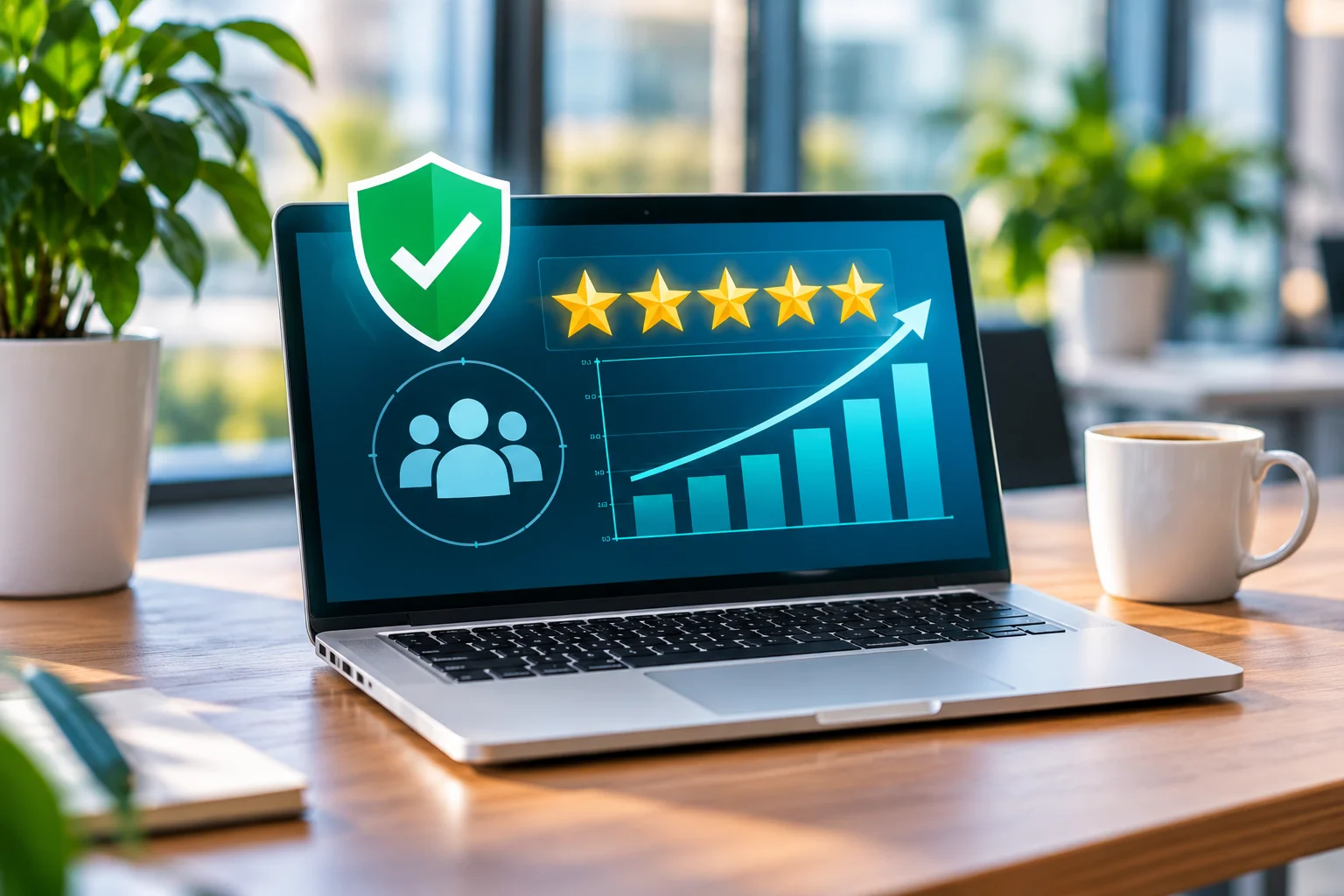
Your company’s reputation is more than a collection of online reviews; it reflects whether customers can trust the experience you promise. A positive brand reputation can support repeat purchases, referrals, and stronger relationships with employees and partners. Effective business reputation management aligns public claims with daily service and customer expectations. One Harvard Business School study found that a one-star higher Yelp rating was associated with 5–9% more revenue for independent restaurants in its sample; the same effect did not hold for chain restaurants. That finding illustrates the stakes in one setting, not a revenue forecast for every business.
Turn Criticism into an Operational Improvement
A visible response to criticism matters when it is backed by a real change. First establish what happened, then acknowledge the concern, assign an owner, and explain the corrective step you can verify. Follow up with the affected customers and check whether the same complaint recurs. Publishing an apology or fresh content without improving the underlying experience will not rebuild trust on its own.
The Cost of Inaction
Ignoring reviews, search results, or public complaints can leave customers with unanswered questions and leave your team unaware of recurring problems. That can affect inquiries and sales, but a specific loss cannot be inferred from one review alone. Monitor the channels where customers actually research your business, record substantive issues, and respond with both a public acknowledgment and a private resolution when needed. Google says more reviews and positive ratings can help local ranking, while relevance, distance, and prominence also determine local results. Consistent online review management is part of a broader customer-experience plan.

Measure Opportunity Cost Without Guesswork
Measure reputation work with business data rather than assigning an unsupported dollar value to each bad review. Track qualified inquiries, lead-to-customer conversion, repeat purchases, referrals, complaint themes, and review response time over a consistent period. Note major changes in marketing spend, pricing, and seasonality before attributing a trend to reputation work. Customer interviews or CRM notes can reveal why a prospect hesitated; use those observations to prioritize improvements instead of presenting hypothetical lost revenue as a measured result.
Why Delaying Action Can Be Detrimental
Are you hesitant to invest in reputation management? Many business leaders think they can simply ride out a bad review or negative press cycle. Proactive monitoring helps businesses spot emerging concerns and respond before negative feedback damages customer trust. Reputation management starts with listening across review sites, online review platforms, social media platforms, and search results. Consumers expect brands to respond thoughtfully and consistently, especially when a problem affects their experience. Online reputation management software can centralize alerts and feedback, making it easier to keep up across channels.
Consequences of Waiting
The longer you wait, the more time potential customers have to encounter negative feedback without seeing a response from your business. A calm, timely reply shows that you take customer concerns seriously and may help prevent customers from choosing a competitor. Avoid emotional language; acknowledge the issue, validate the customer’s frustration, and offer a practical resolution. A high first-contact resolution rate in customer support can keep problems from escalating. Crisis communication readiness and an advance plan help teams respond with one clear, unified message.
Addressing Common Objections to Reputation Management
As you consider your options, you might have some reservations. Here are three common objections and how to address them:
1. It’s too expensive.
While investing in reputation management may seem costly upfront, consider the potential revenue loss from a poor reputation. A focused plan can prioritize the channels and issues that matter most, making reputation management a practical investment in your company’s future. Set measurable objectives—such as response time, review volume, and customer satisfaction—to assess reputation management success and guide marketing efforts.
2. My business is too small to matter.
Your business’s reputation matters as much as a larger corporation's. Smaller businesses often rely heavily on word-of-mouth and local online reviews, so consistent engagement can help build trust and attract customers. A strong reputation management strategy helps local businesses compete by responding to reviews and making it easy for satisfied customers to share honest feedback. Effective reputation management strategies should match a business’s size, audience, and available resources.
3. I don’t have time to manage my reputation.
Online reputation management services and software can simplify the process by helping you monitor reviews, organize customer feedback, and respond efficiently. Online reputation management services may also support businesses that lack dedicated internal staff, while online reputation management software can automate alerts and bring activity into one place. Set alerts for brand mentions across social media and assign clear responsibilities so you don't overlook important issues. Choose tools that support review management and make it easier to identify patterns in customer complaints.
What Happens After You Take Action?
A well-managed reputation can support stronger customer relationships and improve how people discover and evaluate your business. Benefits grow when reputation management is an ongoing part of your customer experience, not a one-time response to criticism. Effective reputation management strategies combine consistent monitoring, responsive service, and feedback-driven improvements.
Increased Customer Trust
Transparency and thoughtful engagement show that you value customer feedback and prioritize customer satisfaction. Responding constructively to questions and concerns also helps potential customers understand how your business handles problems. Prompt acknowledgment and excellent customer service can turn a disappointing interaction into a chance to rebuild confidence.
Enhanced Brand Visibility
Positive reviews and helpful interactions can strengthen your online presence and improve the information customers find in search results. Keep business details accurate and share useful, credible content that reflects your expertise and brand values. Publish educational material that answers common questions, and monitor negative search results so you can address inaccurate information and provide trustworthy context.
Stronger Customer Loyalty
When customers see that you care about their experience, they are more likely to return and recommend your business. Those satisfied customers can become advocates who contribute to growth through referrals and positive online reviews. Ask customers to share honest feedback after real experiences; a consistent, respectful process can lead to more useful reviews without pressuring anyone. Engaged employees also strengthen external brand perception and can help attract and retain talent.
Measure Reputation Management Against Business Outcomes
Reputation management in business works best when teams connect what people say online to what the company delivers. Set a baseline, make one meaningful change at a time, and review customer and commercial outcomes together. This turns reputation from a vague score into an operating discipline.
Track Trust Signals and Customer Decisions
Compare review themes, ratings, response time, qualified inquiries, and lead conversion by month. Look for repeated objections in sales conversations and customer support tickets. A change in star rating can be useful context, but it cannot prove that reviews alone caused a change in revenue.
Connect Feedback to Service Changes
Group customer feedback by issue, assign an owner, and record what the team changed. Follow up with customers when a problem is resolved and check whether the complaint appears again. Brand values become credible when customers can see them in everyday decisions, not just marketing language.
Watch Search and AI Descriptions
Search results and business profiles influence the first impression customers receive. Also check how ChatGPT, Gemini, Google AI Overviews, and other AI search tools describe your business. Their answers may be incomplete or outdated, so keep official facts accurate, publish useful explanations, and monitor brand mentions across AI search without assuming you can control every answer.
Set Owners and a Review Cadence
Assign responsibility for review replies, social conversations, business listings, and escalations. A weekly check can surface urgent issues; a monthly review can reveal patterns and whether corrective work changed customer outcomes. Software can help collect signals, but people still need to make decisions and respond thoughtfully.
Actionable Steps for Effective Reputation Management
Ready to take charge of your reputation? Start with a few practical steps that help you listen, respond, and learn:

Set up Google Alerts and other listening tools for your brand name to monitor brand mentions.
Claim and optimize your business profiles, then encourage satisfied customers to leave honest online reviews on platforms such as Yelp and Google.
Respond promptly to negative feedback, acknowledge concerns, avoid defensive or emotional language, and offer a reasonable resolution.
Engage with your audience on social media, creating a dialogue that builds trust and reflects your company values.
Use social listening tools and regular surveys to understand customer sentiment, preferences, and expectations.
Set clear goals and review performance regularly, adjusting your approach as customer feedback and business needs change.
Systematic, courteous requests after a completed transaction can help generate reviews. Make feedback collection an ongoing practice, not a one-time campaign. Google prohibits incentives and selectively soliciting favorable reviews; follow each platform’s rules and invite honest responses from customers.
Spot and Address Fake Reviews
Include regular checks for fake reviews in your review monitoring process. Report suspicious or fraudulent posts through the relevant platform, while responding calmly and professionally to genuine customer concerns. Track recurring issues and close the feedback loop by sharing what changed; this creates useful learning for teams and informs future reputation management initiatives.
Embracing a Long-Term Reputation Strategy
Effective reputation management isn’t a one-time effort; it’s a continuous commitment. A long-term brand reputation strategy includes regular monitoring, thoughtful responses, and improvements based on customer feedback. Review the approach across channels and adjust it as your audience, industry, and customer expectations evolve. A well-planned business reputation management program can build trust, support resilience, and drive long-term growth. Effective reputation management strategies should set clear priorities for monitoring, response ownership, and ongoing improvements.
Building a Positive Brand Image
Regularly communicate your company’s brand values, showcase customer success stories, and highlight your commitment to excellent service. Sharing useful information and acting consistently with your stated values can reinforce a positive brand reputation and strengthen customer confidence. Amplify authentic testimonials through targeted marketing, and use feedback to improve the experience—not just manage appearances. These practices build brand advocacy and support long-term reputation management success.
Act Now for Sustainable Growth
Start with a baseline of your current reviews, search presence, customer complaints, and business outcomes. Choose the highest-impact issue, assign an owner, and review the results after the service change has had time to reach customers. If you need help building that process, explore our reputation management services and discuss a plan that fits your business.
Frequently Asked Questions
What is reputation management?
Reputation management involves monitoring and influencing the public perception of a brand or business. It includes managing online reviews, addressing negative customer feedback, and promoting positive brand associations across review sites and social media platforms.
Why is online reputation important for businesses?
Online reputation is vital because it impacts customer trust and purchasing decisions. A positive online presence can enhance brand visibility, attract new customers, and help businesses stand out in search engine results.
How can I manage my business's reputation effectively?
Effective reputation management involves actively engaging with customers, responding to feedback, encouraging honest positive reviews, and using monitoring tools to stay informed about public perception. Set measurable goals, act on feedback, and keep improving the customer experience.