What You'll Learn:
What personal online reputation management really means: How individuals can understand, monitor, and control what appears about them online—and why it impacts opportunities, trust, and credibility.
Why your online presence matters: The consequences of negative search results, outdated content, and unmanaged profiles, from job prospects to relationships.
How to build, protect, and recover your reputation: Strategies for creating positive content, handling negative reviews, using monitoring tools, and developing a personal reputation management plan.
What Is Personal Online Reputation Management?
Online personal reputation management actively monitors and shapes your online image to ensure your brand reputation reflects your true character and values. It is vital in today's digital world where your online presence influences personal and professional opportunities. Effective media relations also play a crucial role in managing how you are perceived across various platforms and by the public.
Your online image can open doors or close them forever. Personal online reputation management isn't just about controlling what shows up online — it's about reclaiming your story, protecting your future, and ensuring your true self shines despite the noise.
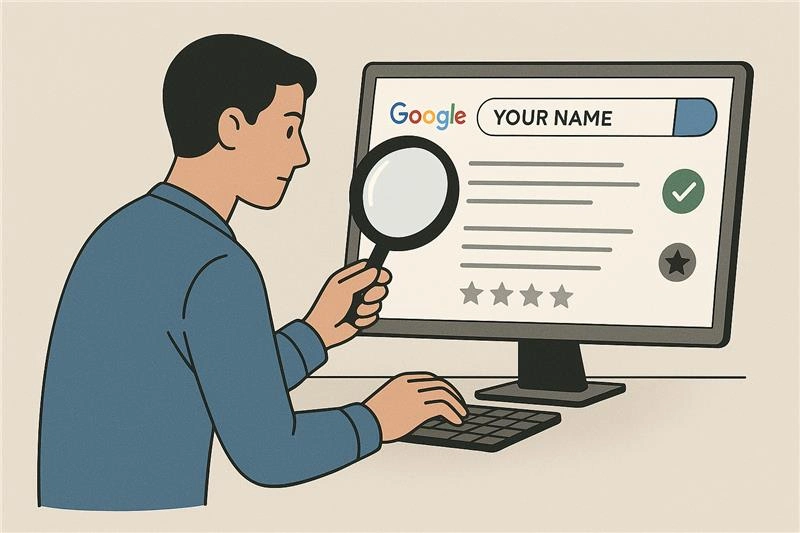
Regularly searching your name on Google is key to understanding your online reputation, since people search for you and your results shape their first impression. Managing what appears in Google search results is crucial for personal and professional opportunities.
Ready to control your online image? Check out our professional personal reputation management services.
Understanding Your Personal Reputation & Online Presence
Your personal online reputation includes social media profiles like X, LinkedIn, and Instagram; news mentions; blog comments; online reviews; and public records such as arrest records. It's the digital reflection of who you are, often beyond your control. Knowing what's out there is the first step to managing your reputation effectively.
Managing your online presence means curating content that reflects your values, expertise, and character. Your online image—including your LinkedIn profile and search engine results—plays a key role in personal branding and shapes how others perceive you professionally. This involves regularly auditing your digital footprint and making thoughtful decisions about what you share and how you interact online.
Managing Your Online Image
Your online image is your digital representation and directly impacts how others perceive you. Maintaining a positive image through consistent, authentic content builds trust and opens doors to new personal and professional opportunities. Effective online reputation management plays a crucial role by helping you shape and maintain that positive image.
The Importance of Brand Reputation
Brand reputation extends beyond businesses to individuals, reflecting how your audience perceives you. A strong brand reputation boosts credibility, fosters loyalty, and supports long-term success by consistently showcasing your values and expertise. Implementing online reputation management strategies helps keep your brand reputation strong and resilient.
Benefits of Managed Services for Reputation Management
Managed services for online personal reputation management offer expert guidance and efficient handling of complex situations. These services provide proactive monitoring, content creation, and strategic responses to protect and improve your digital presence. Choosing a reputable online reputation management company can make a significant difference in managing your reputation effectively, especially when it comes to managing online reviews.
Enhancing Customer Experience Through Reputation Management
A positive customer experience is closely tied to your online reputation and influences online reviews and social interactions. By managing feedback and engaging with your audience, including responding to online reviews, you strengthen relationships, build loyalty, and create a lasting impression. Effective online review management and a well-planned content strategy are essential to maintaining a trustworthy, credible presence that resonates with your audience.
Why Does Your Online Reputation Matter?

Your online reputation is often the first impression people have of you. Potential employers, clients, friends, or romantic partners form opinions based on what they find online. Your online presence influences how people perceive you and can sway public opinion in personal and professional life. Negative or outdated information can cost you opportunities, relationships, and peace of mind.
College admissions officers increasingly review applicants' online presence, making personal online reputation management essential for students.
The Cost of a Bad Reputation is Negative Results
A bad online reputation can lead to lost job offers, damaged relationships, and a diminished personal brand. Nearly 70% of employers use online searches to screen candidates, and negative content heavily influences hiring decisions. Negative news articles, including those from reputable sources like The New York Times, can be particularly damaging because they appear prominently in search results and are hard to remove. Poor online reputation can also affect business, social life, and mental health.
The Value of a Strong Personal Brand
A strong, positive personal brand builds trust and credibility. It is essential to entrepreneurial and career success because it affects business performance, professional growth, and job opportunities. It acts like a digital resume, highlighting your skills, achievements, and personality. Personal online reputation management strategies promote a positive reputation and help build a strong personal brand supporting your goals. A well-managed reputation opens doors to opportunities, partnerships, and influence. It's about actively building a story reflecting your true self and ambitions. Online reputation management services play a crucial role in achieving and maintaining this positive brand image.
Steps to Build a Positive Online Presence
Building a positive online presence might feel overwhelming, but small, consistent actions make a big difference. Share your authentic story—post content highlighting your skills, values, and passions. Creating content and sharing engaging social posts are key strategies for building a strong online presence, promoting your personal brand, and generating positive attention across digital platforms. Engage genuinely on social media and professional platforms to build trust and connections. Over time, positive content rises in google search results, pushing down negative or misleading information. Consider partnering with an online reputation management company to help guide your efforts and maximize your impact.
Tips for Building Your Personal Brand Online
Create or update your personal website or blog. A professional website where you control the narrative is invaluable. Showcase your expertise, portfolio, testimonials, and contact info.
Publish thoughtful, original content regularly. Write blog posts, share videos, or post insights related to your industry or passions. This builds authority and attracts the right audience. Optimizing your content for search engine optimization algorithms helps positive content appear on the first page.
Leverage social media strategically. Choose platforms where your audience spends time, and engage authentically. Share valuable content, participate in discussions, and connect with influencers. Use paid media tactics to secure first-page placement for important content.
Request testimonials and endorsements. Positive feedback from colleagues, clients, or mentors adds credibility. Encourage them to leave reviews on platforms relevant to your profession.
Monitor your online mentions. Set up Google Alerts or use reputation monitoring tools to track what's said about you online. This helps you respond promptly and stay informed.
Engage with communities professionally. Whether in forums, groups, or comment sections, respectful participation boosts visibility and reputation.
Separate personal and professional social media accounts when appropriate. This helps manage reputational risks and maintain brand consistency.
The Power of Consistency
Building a positive online presence isn't about perfection—it's about consistent, genuine effort. Over time, this creates a rich digital story reflecting your true character and counters negative content.
Creating a Comprehensive Online Reputation Management Plan

A comprehensive online reputation management plan is essential for maintaining a positive online reputation. Whether you're an individual or a business, a clear strategy ensures you're not just reacting to negative content but actively shaping how others perceive your reputation and online presence.
Start with proactive steps: secure your personal website and social media profiles, and consistently publish high-quality content reflecting your values and expertise. This builds a strong reputation and helps you control the narrative about your personal and professional life. Update profiles regularly and share positive content to keep your online presence fresh.
Reactive strategies are equally important. Use monitoring tools to track what's said about you online, and address negative content quickly and professionally. If harmful content or situations are difficult to manage alone, consider online reputation management services. These experts provide managed services to remove or suppress negative content and guide you through complex situations.
Combining proactive and reactive approaches creates a robust reputation management plan that protects your reputation, supports your professional life, and ensures a positive online presence long-term.
Earned Media and Its Benefits
Earned media is a key factor in online reputation management, offering a powerful way to boost your reputation without direct advertising. Earned media includes organic coverage or mentions—such as news articles, interviews, or podcast appearances. These help establish you or your business as a thought leader and build trust.
Earned media benefits go beyond credibility. When reputable sources mention you, it can improve search engine rankings, making your positive reputation more visible to anyone searching your name or business. This increased visibility enhances your online presence across social media platforms and helps push down negative content in search results.
Incorporating earned media into your strategy strengthens your reputation and sets you apart from competitors. Actively seeking and leveraging earned media opportunities ensures trusted voices tell your story.
Customer Feedback: Listening and Responding
Collecting and analyzing customer feedback is essential to building a strong reputation. Paying attention to reviews, surveys, and social media comments provides valuable insights to improve your brand and customer experience. Responding promptly and thoughtfully shows you value your audience and are committed to improvement. Integrating digital marketing strategies with customer feedback efforts can enhance your reputation management by targeting the right audience and amplifying positive interactions.
Monitoring Tools: How to Monitor and Protect Your Reputation
Monitoring your online reputation can feel like a full-time job but is crucial. Regular monitoring helps catch negative content early before it spreads or causes lasting damage. Tools like Google Alerts, Social Mention, or dedicated platforms keep you informed about what people say online. Regularly checking search engines for your name is also important, as search engines are often the first place people look for information.
Proactive Reputation Protection
Protection means more than watching—it means taking proactive steps: responding thoughtfully to criticism, correcting misinformation, and continuously creating positive content that reflects your true self.
Leverage earned media opportunities—guest blogging, interviews, or speaking engagements—to boost your positive presence and push down negative search results.
Handling Negative Content and Reviews
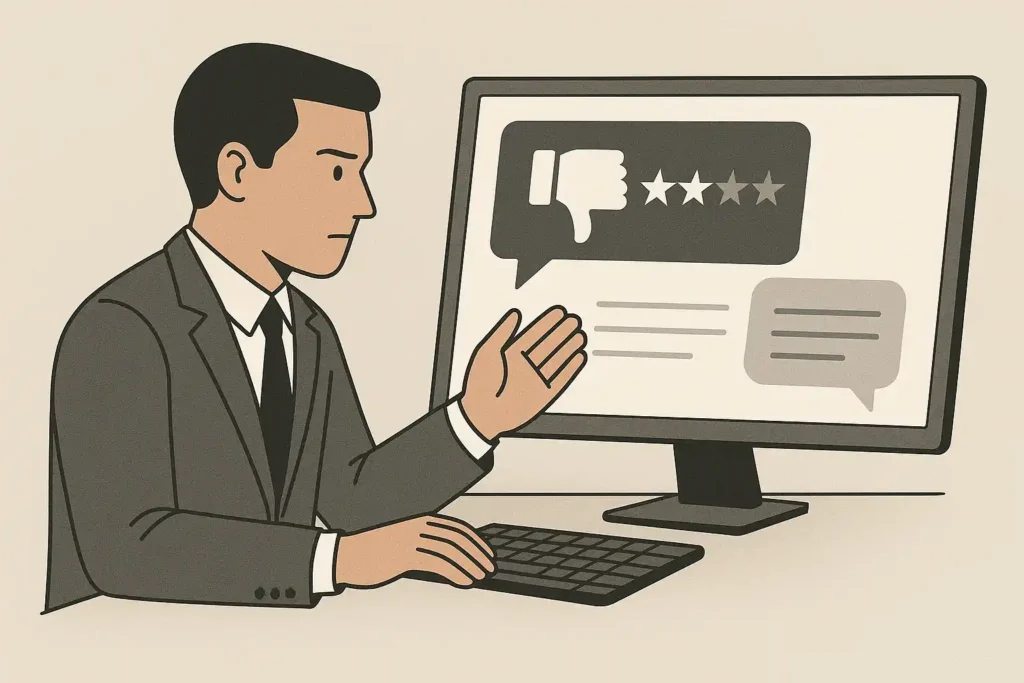
Negative comments, unfair reviews, or damaging posts can feel like personal attacks—and they often are. But you don't have to face them alone or powerless. The key is to respond strategically, not emotionally. In complex or severe cases, a reputation management firm or personal reputation management service can provide expert help monitoring, assessing, and mitigating negative online content about you or your company online.
Strategies for Managing Negative Feedback
Respond calmly and professionally. Avoid defensiveness or argument. Acknowledge concerns and show commitment to resolving issues.
Address valid feedback honestly. Use constructive criticism as an opportunity to improve and show growth.
Flag or request removal of false or malicious content. Many platforms have policies to handle defamatory or inaccurate posts.
Encourage positive reviews. Ask satisfied clients or colleagues to share experiences online to balance your reputation.
Seek professional help when needed. Reputation management experts can offer advanced strategies and legal support if needed.
Maintaining Your Mental Health
Dealing with negative online content can be stressful. Take breaks, seek support, and focus on positive progress.
Sometimes, stepping away from social media or public activity for a few months helps gain perspective and rebuild resilience.
Local SEO: Boosting Your Visibility in Local Searches
Local SEO is crucial for online reputation management, especially for individuals and local businesses aiming to increase brand visibility in specific geographic areas. Optimizing local listings, managing presence on review platforms, and effective social media management improve search presence and attract relevant opportunities.
Common Mistakes in Online Reputation Management
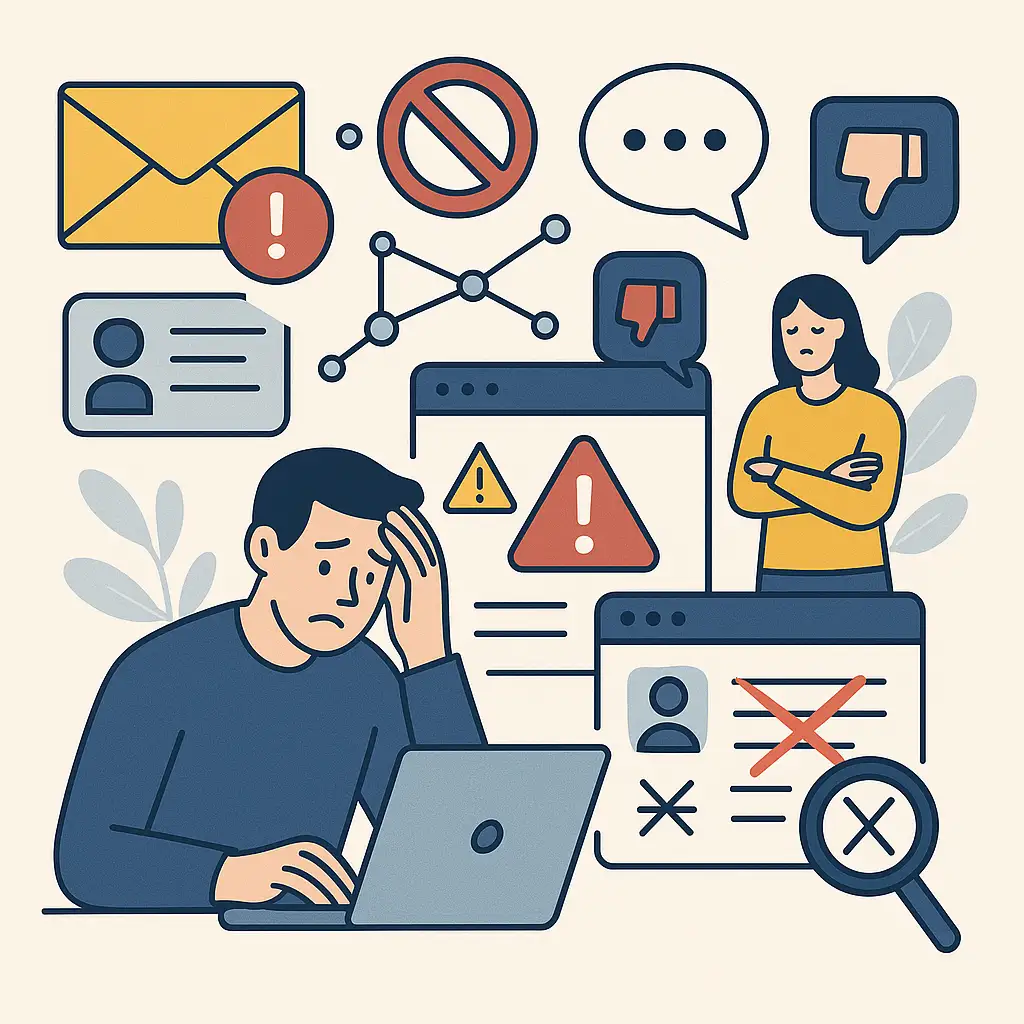
Common mistakes can harm your reputation and online presence. One is failing to monitor your reputation regularly. Without real-time monitoring, negative content can go unnoticed and damage your reputation before you respond, which can also impact customer loyalty.
Another mistake is lacking a clear personal reputation management strategy. Without a plan, it's difficult to address negative content effectively or maintain a positive reputation. Many overlook creating high-quality content and engaging meaningfully on social media, missing opportunities to build a strong reputation. Using a reliable online reputation management solution can streamline these efforts and support consistent reputation growth.
Ignoring online conversations or feedback also hurts your reputation. To avoid pitfalls, monitor your presence consistently, create valuable content, and engage your audience. If managing reputation feels overwhelming, use online reputation management services. These experts help develop strategies, address negative content, and protect your personal and professional lives.
Avoiding these mistakes equips you to maintain a positive online presence and safeguard your reputation.
Tools and Resources for Reputation Management
Managing your online presence is easier with the right tools. Whether you're just starting out or need advanced features, options exist for every level.
Google Alerts: Free notifications about new online mentions.
Social Mention: Real-time social media monitoring.
BrandYourself: Helps improve and protect your personal brand online.
Reputation: Comprehensive review and profile management.
Hootsuite or Buffer: Schedule posts and monitor engagement.
Choosing the Right Tools
Not all tools fit every need. Consider goals, budget, and technical comfort when selecting tools. Many offer free trials or basic plans.
Case Studies: Real-Life Examples of Reputation Management Success
These examples show that with the right strategy and patience, you can restore and strengthen your personal online reputation. Public figures face unique challenges due to higher visibility and media scrutiny, making effective reputation management critical.
Taking Control of Your Digital Future
Proactively managing your online reputation before issues arise is crucial to maintaining control of your digital narrative.
Your online reputation is more than search results — it's the story the world sees about you. By understanding the importance of personal online reputation management and taking intentional steps to build, monitor, and protect your online presence, you reclaim control over how you're perceived. Don't let negative content or a bad reputation define you. Start today to shape a positive, authentic image that opens doors and builds lasting trust.
Frequently Asked Questions (FAQs)
What is the difference between personal online reputation and personal brand?
Your personal online reputation is how others perceive you online based on information including reviews, comments, and search results. Your personal brand is the image and message you actively create to represent yourself, including values, skills, and personality.
How often should I monitor my online reputation?
Ideally, monitor your reputation continuously using automated tools like Google Alerts. At minimum, do a manual check every few weeks to ensure no new negative content appears.
Can negative online content be completely removed?
Removal depends on the platform and content nature. Some false or defamatory content can be taken down; much of the work involves pushing negative results lower by adding positive content.
How long does it take to improve a bad online reputation?
Improvement can take weeks to months depending on severity and effort. Consistent, patient work is key.
When should I hire a reputation management expert?
If negative content seriously damages your career or personal life, or legal issues arise, consult a professional with tools and expertise to handle complex situations effectively.