

- Discover why it is important to maintain your online reputation and how it directly impacts customer trust, business success, and local search visibility.
- Learn practical strategies for effective online reputation management, including handling negative feedback, encouraging positive reviews, and conducting online brand audits.
- Understand the consequences of a poor online reputation and how proactive monitoring and engagement can protect and enhance your brand image in today’s digital world.
Will A Bad Online Reputation Bring Your Business Down?
In today’s digital landscape, a business’s online reputation is the deciding factor that can either propel it forward or bring it to a halt. What people are saying about your company online – from actual reviews on the net to the odd comment on social media here & there – makes a huge difference when it comes to people deciding whether to give you their business, & it often has even more impact than all your advertising put together.
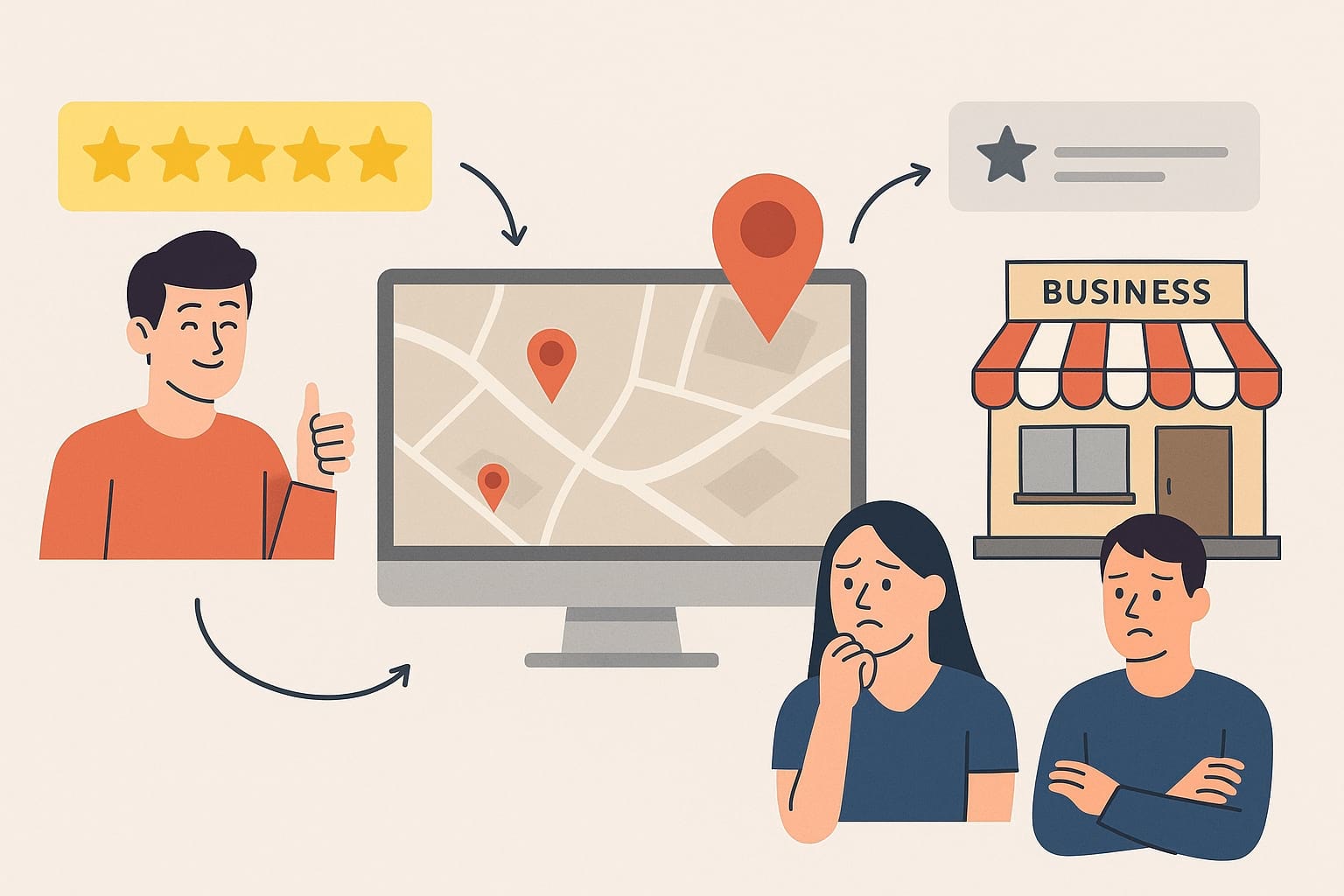
Research shows that 9 out of 10 customers go online to read reviews before deciding whether to trust a business, and just one negative review can put off up to 30 potential customers. In fact, a single poor review can significantly impact your brand’s reputation and deter many potential clients. Businesses that maintain an average rating of 4.5 stars or higher tend to attract nearly double the number of new customers compared to those with lower scores, which is why it’s essential to manage your online reputation and improve visibility with Google Maps SEO strategies.
What This Guide Has to Offer – Who It’s For and Why Your Online Reputation Actually Matters
This blog post is put together specifically with small business owners, marketing managers, and entrepreneurs in mind – all the folk trying to keep on top of their digital presence and build a solid online rep for themselves. We’ll work with you to conduct a thorough online brand audit, handle negative feedback effectively, and leverage your rep to increase visibility in local search results.
Here’s what you’ve got to look forward to:
- A no-nonsense look at how your online rep is actually affecting the way people see your brand and your business in general
- Loads of practical advice on how to stay on top of your rep before things go wrong (no more just playing catch-up on negative reviews)
- Tips on turning nasty feedback into valuable insights that actually make your business more credible by addressing negative feedback effectively
- Some valuable insights on how a positive online reputation can give you a leg up on the local SEO game and help you achieve business success
- Ideas on using the big online platforms to share the good stuff and connect with the people who actually matter – your customers
Your Online Reputation and Brand Online
Why a Good Online Reputation Can Make All The Difference For Your Business
Your online reputation is the whole picture people get of your business when they look you up online – everything from what shows up on Google to what your customers are saying on their social media accounts and what people are posting about you on review sites. Plus, news articles and other online mentions help get your brand out there.
Because this online information is available 24/7, it continues to shape people’s opinions about you. It’s a mix of stuff you can control—your website, how you’re set up, your social media, and getting yourself listed in the right places on Google—and the stuff that’s entirely out of your hands, like what your customers are saying about you or what a journalist wrote about you last week. Keeping it all together is key to building trust and earning people’s belief in your brand, which explains why digital reputation is essential.
The truth is, people tend to believe what their mates say about a business way more than they’ll ever love. If you want to bring in new customers and get other businesses and investors who are considering working with you actually to do so, you’ll need a positive online reputation.
How Customers Decide If Your Website is Worth Visiting and the Role of Digital Reputation
Many consumers have already decided whether they want to visit your website before they click the link. They usually start by searching for your brand on their favourite search engines – see what comes up – and then check out your star ratings, the number of reviews, and the latest feedback from other customers on places like Google and Yelp. If you’re a local business, what appears in the local map pack in search results can be just as important: people have been known to open it, click on the first few listings, and choose one of those instead of you.
And let’s be clear: how you handle negative feedback is a crucial factor in whether people are willing to give you a shot. Even a single negative review, if left unaddressed, can damage your reputation. If you take the time to respond to reviews and social media posts thoughtfully, it shows that your company has a soul.
On the other hand, if you’ve got a profile or some questionable content floating around online, a lot of people will probably ignore you altogether. That is why effectively managing your online reputation is a crucial part of business planning today.
It Is Important to Maintain Your Online Reputation for Business Success
The Real Impact of Your Online Reputation on Business Success
Having a well-managed online reputation is a game-changer for your business—it gets you noticed in search results, brings in more sales, lets you charge top dollar, and helps you get through the tough times. In today’s digital age, a solid online presence is crucial for long-term success—no two ways about it. Understanding the importance of a company’s reputation and managing it effectively ensures your brand is consistently presented in the best possible light.
Google prioritizes local businesses with a mountain of positive reviews. When those reviews pop up in search results and map listings, you can bet more people will check out your website and give you a ring. This is why proactive online reputation management strategies are essential for sustaining positive reviews and maintaining visibility.
Positive reviews don’t just make a difference – they make a real difference in people’s purchases. Even a tiny bump in star ratings – say 4 to 4.5 – can have a noticeable effect, especially when people are scrolling on their mobiles and make snap decisions. The average consumer reads multiple reviews before trusting a business, so these positive ones really matter. Online reputation management helps companies to encourage satisfied customers to share positive feedback and build trust.
And having a good reputation also reduces marketing costs by generating word-of-mouth buzz. People who trust you are more likely to stick with you and share your business with their mates, including potential business partners. At the same time, actively addressing a bad online reputation through consistent online reputation management helps ensure your brand’s credibility remains strong and supports long-term business success.
The Real-World Effect of Reputation on Buying Choices
Take a local restaurant with great grub but an online reputation dragged down by outdated listings and mixed customer reviews. People often choose the competition with a better online presence, even if it means a longer drive or a higher price tag.
One restaurant in particular boosted its online reputation by encouraging existing customers to leave positive reviews, taking customer complaints seriously, & sorting out any outdated business listings. As a result, their rating rose from a mediocre 3.2 to a more respectable 4.6. Their phone reservations almost doubled, online orders increased by 62%, and overall sales grew by 38%. The conversation about the place suddenly shifted to how great it was.
While a reputation can be trashed pretty quickly, you can recover from that by keeping a close eye on what people are saying about you online and addressing negative feedback right away.
Keeping an Eye on Your Online Rep – It’s Ongoing
Why It’s Business Needs to Keep a Close Eye on Its Reputation
The truth is, your online rep needs constant attention. That’s because customers are sharing their experiences on social media, review sites, and forums 24/7. Setting up a reputation monitoring system and then leaving it unmanaged won’t work. You’ll need to work regularly – keeping an eye on your online mentions, dealing with any negative feedback that comes in, and making sure there’s a steady stream of positive stuff out there too.
Customers expect you to respond to reviews and comments on social media pretty darn quickly—ideally within a day or two. If you ignore feedback, negative sentiment will build up, and before you know it, it will hurt your brand. Actively engaging with customers and monitoring how people perceive your site, including how to check website reputation and identify safe or malicious sites, shows that you care and helps build lasting trust.
Doing some reputation monitoring beforehand is a heck of a lot cheaper than trying to clean up a mess later on – and that’s a fact. That’s also saving significant cash by being proactive and addressing problems as they arise. Research shows that stepping in early can make a massive difference in the long run.
To build a strong reputation management plan, monitor online mentions regularly, encourage customers to leave reviews on popular sites, engage with people wherever they are, and have contingency plans in place in case a crisis arises.
The Cost of Turning a Blind Eye to Your Reviews and Brand Mentions
Ignoring those scathing reviews can end up totally trashing your brand’s reputation. The worst part is that when you remain quiet, people tend to assume you agree, and negative feedback only gets worse over time. A poor reputation can significantly impact not only customer trust but also your job prospects and business partnerships.
Search engines have a funny way of rewarding businesses that actually take the time to respond to reviews and engage with their customers—by bumping them up in the rankings of search engine results. But if you let complaints slide and stay quiet, those grievances can quickly escalate into a full-blown social media crisis.
And to top it off, neglecting customer feedback means you’re essentially giving away a valuable opportunity to understand what’s going wrong and how you can do things better next time. Learning how to manage your online reputation and maintain a positive online presence by actively sharing positive reviews on popular platforms helps build a strong online reputation, which is crucial for influencing purchasing decisions and attracting potential customers.
Taking a Close Look at Your Online Brand Audit
Getting a Transparent View of Your Brand Online
An online brand audit is a deep dive into how your business appears online. It’s a thorough view of your digital Footprint to see how you appear in search results, online directories, reviews, social media, and any other platform where people are talking about you. The result is a crystal clear picture of how your brand image stacks up against what people really think of you – and that gives you some really valuable insights on how to keep your reputation in check.
Key stuff to look at includes:
- Taking a good, close look at search results for your brand and industry, so you know what people are seeing about you
- Checking that your business listings are consistent and spot on (name, address, phone number) across all the leading online platforms – so you avoid causing any confusion.
- Looking at the volume, how recent and what people are saying in reviews – that’s what those complaints are.
- Checking how well you’re doing on your real media and whether you’re actually responding to people
Doing all this up-front work helps steer you in the right direction when building a genuine online presence that truly reflects your brand.
The Local Business Conundrum
Why a Good Online Rep Can Make All The Difference for Local Businesses
Local businesses can’t afford to lose their online reputation – nearly 8 in 10 customers are going to glance at online reviews before walking in the door. And a staggering 73% of the time, positive online feedback is what convinces them to come on in.
On Google’s local results, only the top three get a look-in, so if you’re not the top, you’re basically fighting an uphill battle to snag new customers. The difference between a 4-star and a 4.5-star rating can be all the difference – literally.
Customer reviews are like a constant stream of feedback into your business – immediate feedback on how you’re really doing and on your staff, too. It’s a great time to get a handle on where you’re going and make a change before it’s too late. It’s Local customers usually start with a search for “places near me” and take a glance at the star ratings, review count, and photos in Google’s map pack. Most of the time, they’ll choose a business solely based on that—without even visiting the website.
Only after that do they begin reviewing recent reviews to assess the quality of the service and how well the business handles mistakes. They’ll also check social media to gauge the sentiment.
Getting to a decision on something every day can take just a few minutes – but on larger purchases, they can take their sweet time, and the same thing applies to the role of your online reputation in all this.
Building Your Online Brand – It Matters
First Impressions Can Make or Break Your Business
Your online reputation is essentially the sum of every interaction people have with your brand—from search results and social media to what customers say about you on review sites. The very first time someone encounters your brand online is critical; it’s a moment that can either capture their interest or turn them away for good.
Maintaining a consistent look and tone across all platforms is key to building customer trust. When your messaging is clear and aligned, people are more likely to believe in your brand. Inconsistency, on the other hand, can make it seem like you don’t care. Outdated or poorly presented content can quickly damage credibility.
Your Brand Values, Externalized
Your brand values—whether they emphasize professionalism, luxury, sustainability, or affordability—set expectations about who you are and what customers can expect. Your online reputation must support those values; otherwise, your brand risks appearing as nothing more than empty promises.
Building and protecting a strong brand image is a long-term commitment, especially in a digital-first world.
It’s Your Digital Footprint
Control What People Think of You
Your digital Footprint is everything online that shapes people’s views, including social media posts, news articles, blogs, forums, videos, and search results.
The thing is, all those different platforms are linked up in some way – so if some disgruntled customer rants on social media, you might find that it turns up in the news or even in search results. And on the other side of the coin, all that good word of mouth can give your credibility a real boost.
To make your digital reputation work for you, you need to get a handle on each platform’s what makes ’em tick. LinkedIn is all about being professional; Instagram is all about telling stories with pictures; Google is all about staying up to date; and review sites are all about what you’ve done for your customers.
Managing your online reputation is about getting your act together across all platforms and ensuring you deliver a consistent message people can trust.
Keeping Your Online Rep in Tip Top Shape
Make sure you keep your Google Business listing up to date with new photos and respond promptly to any reviews. A tool like Google Alerts will help keep you on top of online mentions.
Stay active on social media by responding to comments, sharing customer feedback (with their permission), and posting regularly.
Monitor all review sites. Encourage satisfied customers to leave positive reviews, and address any complaints professionally and empathetically. And when you sort out a problem, be sure to let the customer know – it shows you really care.
A big There’s for is keeping your communication style all over the place looking the same – it’s something the public really responds to (or pays off, I say, doesn’t redo) – build trust with one consistent voice.
Handling Complaints with a Pro’s Touch: Turning Complaints Around and Turning Them into Superfans
Complaints handled correctly can make your brand look even more awesome. So if someone bashes you online – hit back fast (within 24 hours or so), say sorry when it’s called, offer a solution, and invite the customer to take it offline if needed.
Just be yourself in your responses – if your brand is friendly, keep it friendly – if it’s a bit serious, be serious. And whatever you do, don’t be business that comes off as defensive or snarky.
Some interesting research has shown that about 89% of the time, people actually read how businesses respond to online reviews, so that definitely is something you should be paying attention to – a must for anyone who takes their online rep seriously.
Turning Negative Reviews and Negative Feedback Around to Build Credibility
Show genuine care and a commitment to improvement when addressing negative reviews. Contact dissatisfied customers privately and follow through on the changes they suggest. Demonstrate active engagement across social platforms, and regularly monitor feedback to manage harmful content and protect your brand’s credibility.
Satisfied customers may update their reviews to reflect positive experiences, which helps build trust, share positive content, and reinforce a positive reputation that boosts your local reputation and overall online presence.
Transparency about challenges and improvements demonstrates authenticity, a crucial aspect of online reputation management today, helping you take control of your digital Footprint and improve your business success in today’s digital world.
Keeping Your Online Reputation on Track for Local SEO Success
How to Keep Your Online Reputation from Going Off the Rails
Take a few minutes each day to check what’s being said about your business on Google Business Profile, social media, and in reviews. Don’t put off responding to any feedback that comes in; make sure your business information is up to date, and nudge happy customers to leave a quick review. This daily practice is a fundamental part of effective online reputation management.
Every week, take a closer look at how reviews are going – what needs to be updated, and what your competitors are up to. Consistent monitoring through online reputation management tools can help you stay ahead and maintain a positive online presence.
At the end of each month, do a quick health check on your online rep to see where new platforms might be emerging, how you’re doing in terms of key metrics, and whether you’ve got the tools and systems in place to deal with any issues that pop up. A thorough online reputation management review ensures that your strategies remain aligned with your business goals.
Get your staff involved in keeping an eye on your online rep – it’s a great way to build a culture of customer satisfaction and keep them engaged. Training your team on online reputation management best practices empowers everyone to help maintain your brand’s strong reputation.
Your Local Search Presence: Maintaining a Positive Online Reputation
Why a Good Online Reputation is a Game-Changer for Local Search
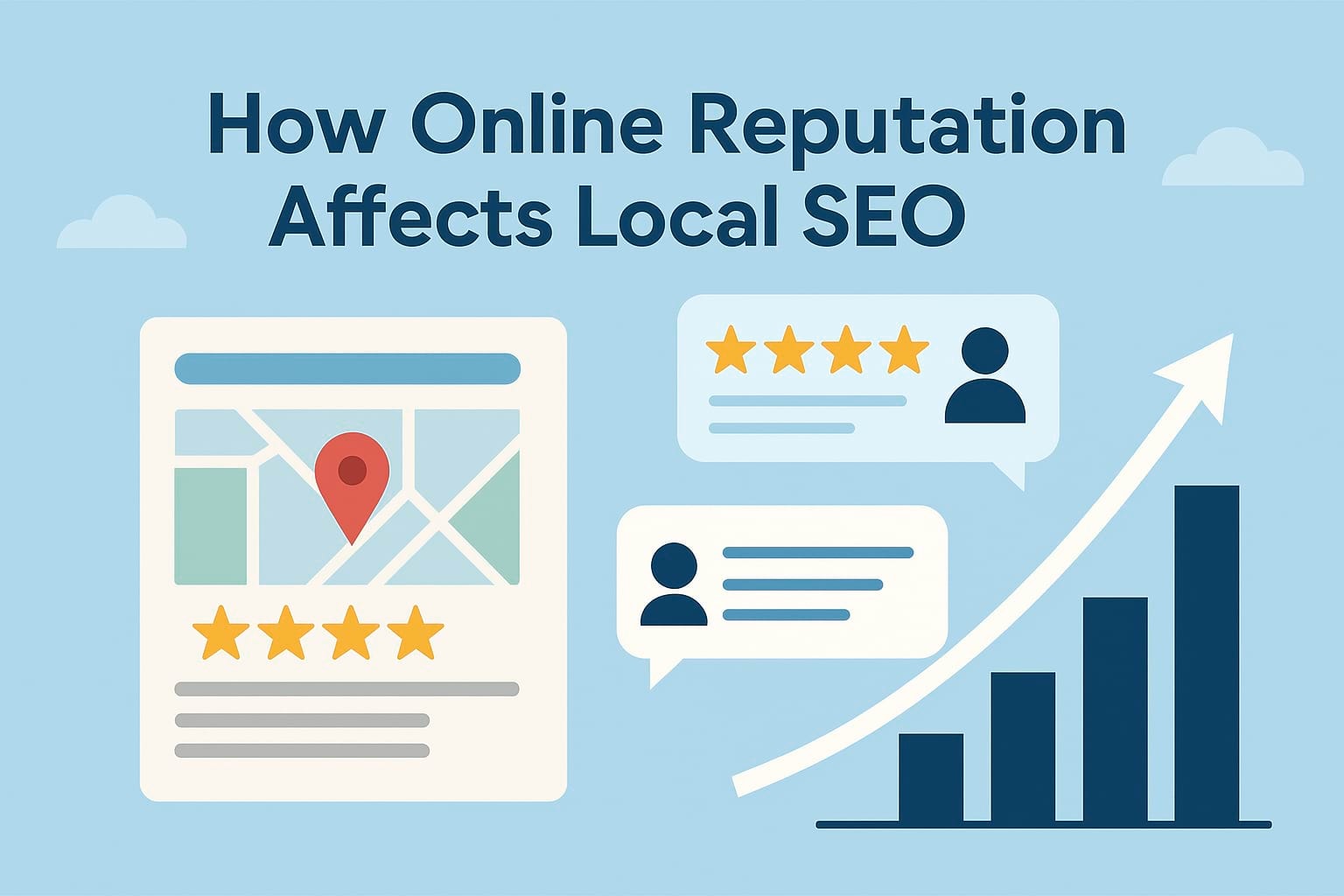
The truth is, local SEO and online rep management are two sides of the same coin. When you have a rep and are actively engaging with customers, it not only makes your business look better but also boosts your local search rankings, leading to more visibility and more customers coming through the door.
Google’s search algorithm looks at a whole bunch of factors when it ranks businesses, including how many online reviews you’ve got, how positive those online reviews are, how quickly you respond to online reviews, and which keywords are used in the online reviews.
But it’s not just about the numbers – the way people actually behave when they visit your site (like how long they stick around, if they make a call, etc) gives search engines a clue about how relevant your business is, which in turn helps you climb the rankings.
And as a side benefit, managing your rep generates fresh, location-specific content that complements your other SEO efforts and helps you stand out. Additionally, encouraging customers to leave online reviews regularly helps maintain a steady flow of reviews, signaling to search engines that your business is active and trustworthy.
Responding to online reviews promptly not only improves customer satisfaction but also boosts your visibility in local search results. The quality and quantity of your online reviews can significantly affect how potential customers perceive your business.
Incorporating keywords naturally into your responses to online reviews can further enhance your local SEO efforts. Remember, a substantial collection of positive online reviews is one of the most effective ways to build a solid online reputation and attract more customers through local search.
Why Reviews Matter in Local Search and Building Trust
Reviews give you a real-time look at how your business is actually doing – on your best days and your worst. The more reviews you get, and the faster you get them, the more you’ll look like the real deal, and people will be more likely to trust you.
Reviews do a great job of helping search engines figure out what you’re saying, where you’re saying it. When people leave reviews, the keywords naturally appear, which helps your SEO.
When you consistently respond to reviews, you show customers that you care and that you’re on top of your game. Plus, that’s another chance to create some fresh content – which is a big deal to Google – because it shows that your business is still around and still relevant. Regularly monitoring your online reviews and feedback enables you to address issues promptly and maintain a positive reputation, which can significantly impact your search engine rankings and overall business success.
Keeping it Positive: Tips for Building a Top-Notch Online Reputation.
Best Practices for Keeping a Clean and Positive Online Slate include delivering top-notch service every single time, being upfront and honest about your policies, prices, and what people can expect—avoiding any surprises or hidden details. It’s essential to ensure your staff are aligned and empowered to resolve any issues that arise quickly. When asking for reviews, do so casually during conversations rather than making a big deal out of it. Maintaining consistency across your branding, messaging, service quality, and communication is key to building trust. Additionally, be willing to own up to your mistakes and celebrate your wins, as people respond positively to honesty and authenticity.
Building Real Trust to Outshine Advertising – The Only Way to Succeed
Trust Signals – The Unbeatable Winner Over Advertising
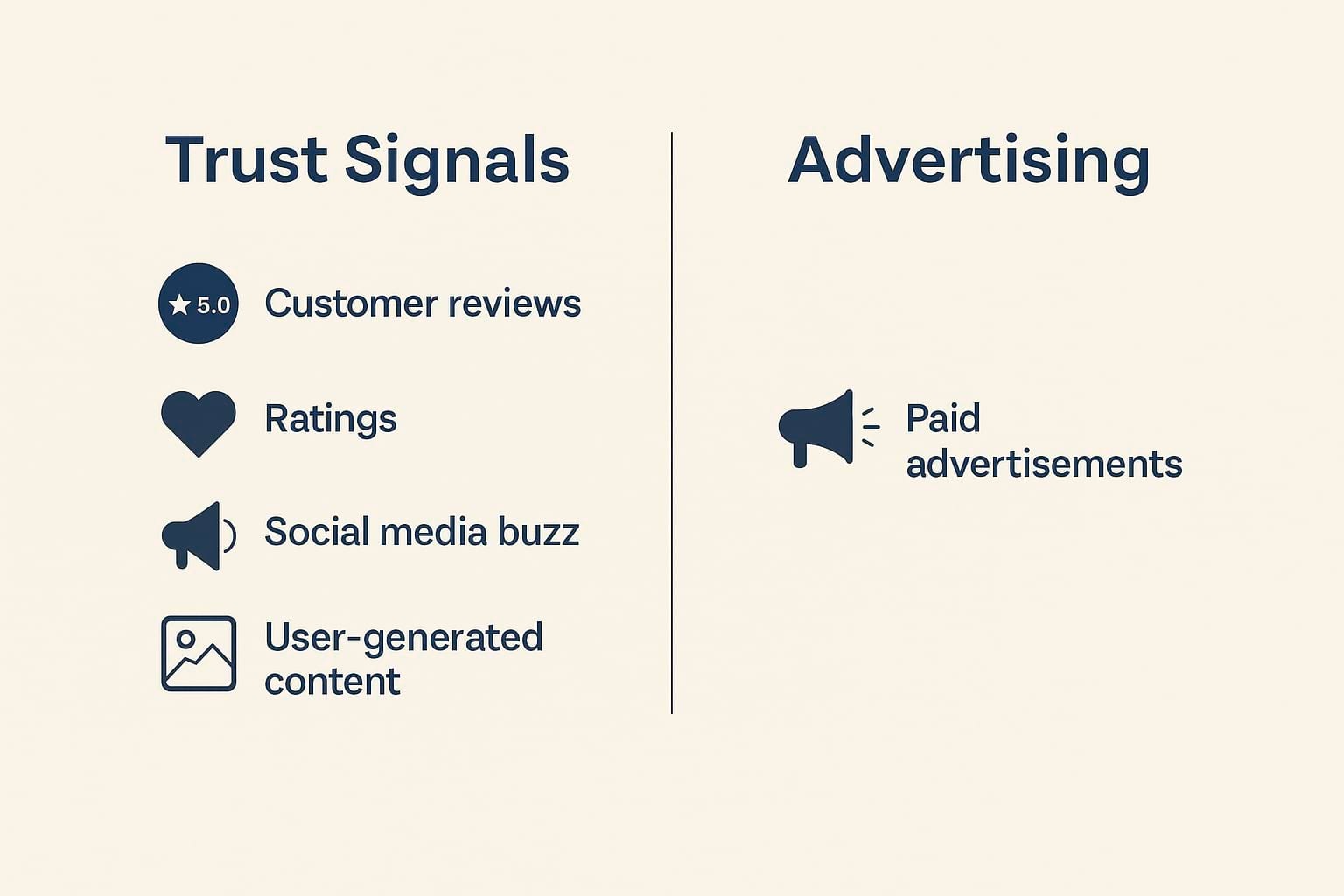
Trust signals – those real stories from customers, genuine ratings, the buzz you get on social media, and user-generated content – are way more important than just slapping up some ads.
People are 12 times more likely to trust a story that’s real than all the advertising in the world.
When customers share their experiences, take photos, and post about your business, that resonates with potential buyers on a deep level in today’s world.
Search engines actually prefer sites that are stuffed with user-generated content over those that are just all about selling yourself – no surprise there. This significant impact of user-generated content on search engine rankings highlights why maintaining a positive online reputation is so crucial.
How a Good Online Reputation Can Keep Piling Up the Benefits Over Time
Your online reputation is a real asset, and the more effort you put in, the stronger it gets.
It gets you loads of organic traffic, attracts more and more customers, and lets you charge a premium price – and we all know what that means.
When you’ve got a reputation, it creates this positive feedback loop – happy customers are telling their mates, and before you know it, you’ve got business coming in. It’s getting much harder for your competitors to catch up.
And when things get tough, having a solid reputation is the difference between keeping your customers and losing them – or worse still, going bust.
A Reputation Rescue Story – One Dental Practice’s Turnaround
A dental practice with a poor online reputation turned it around by getting to the bottom of their online brand, asking real customers for genuine reviews, responding to them, and updating their Google listing.
And I mean – the results were pretty impressive: they saw a 45% boost in patient calls, a 62% rise in booked appointments, a 38% increase in sales, and they shot up to number one in the local search results too – and even got a 15% rise in patient loyalty.
What Sets Proactive Reputation Management Apart?
Reactive reputation repair is just patching up the holes, but it misses the bigger opportunities.
Proactive reputation management thinking gives you a head start, builds good work over time, gets good word-of-mouth going, and prepares you for crises that are bound to happen.
The payoff of effective reputation management is better search engine rankings, higher conversion rates, lower ad costs, and a business that can bounce back from a stumble. Payoffs that get on top of their online rep with reputation management outperform the competition in all key areas – sales, customer retention, and profit margins.
Your online presence is one of the most valuable things you own and, in the long run, can make or break your business. Reputation management is the key to maintaining a strong online reputation and ensuring long-term business success.
Next Steps for Taking Care of Your Online Reputation
First, set up Google Alerts for your business and key staff to monitor what’s being said about you in real time. Claim and get your Google Business page in order, so people know where to find you. Conduct a thorough online brand audit to assess how you appear across major review sites and social media platforms. Put systems in place to encourage positive reviews and train your staff to handle online criticism. Set up standard responses for reviews and make it a routine to monitor them. Monitor how your competitors are performing, and put a plan in place for when something goes wrong. If needed, consider bringing on tools or expert help. Make online reputation part of every business decision—from designing customer experiences to developing marketing campaigns.
FAQs About Online Reputation
Q1: Why does a good online reputation matter?
A strong online reputation builds customer trust, influences purchasing decisions, and helps establish a positive brand image that is essential for success in today’s digital environment.
Q2: What happens if you disregard all the negative feedback people leave?
Ignoring negative feedback damages your brand, drives customers away, and causes you to miss valuable insights. Addressing feedback properly can turn negative experiences into positive outcomes.
Q3: What is an online brand audit?
An online brand audit is a structured review of how your business appears across digital platforms. It highlights strengths, identifies weaknesses, and reveals opportunities to improve your online presence.
Q4: How do I actually manage my online reputation effectively?
Effective reputation management includes monitoring online mentions, engaging with customers, sharing positive feedback, and consistently publishing high-quality, relevant content.
Q5: Why are positive reviews so crucial?
Positive reviews build trust, improve search engine rankings, offset negative feedback, and encourage repeat business by reinforcing your credibility.
Q6: Why bother engaging with customers on social media?
Social media engagement builds trust, resolves customer issues quickly, and strengthens your brand’s online presence through consistent interaction.
Q7: How does online reputation impact your chances of getting a job?
Hiring managers often research candidates online. A strong, professional online presence improves credibility and can significantly enhance job prospects.
Q8: What tools can help with managing online reputation?
Tools such as Google Alerts and reputation management software help track online mentions, monitor feedback, and manage your digital presence more effectively.
Q9: How does online reputation affect how your business shows up in local search results?
Positive reviews, frequent engagement, and active social media profiles improve local search visibility, helping attract more nearby customers.
Q10: How do you deal with a negative review?
Respond quickly with empathy, acknowledge the issue, offer a solution, and invite the customer to continue the conversation privately to resolve the matter effectively.
Q11: Has the importance of online reputation really changed over time?
Yes. While online reputation mattered less a decade ago, it now plays a critical role in customer decisions, partnerships, hiring, and overall business success.

