- The essential role of a reputation manager is to shape and maintain a positive brand image across online and offline platforms.
- Key strategies and tools used by reputation managers to monitor reviews, manage crises, and promote positive content effectively.
- The importance of proactive reputation management for business success, including the benefits and costs of inaction.
How Reputation Managers Shape Brand Perception
In the digital age, your brand’s reputation can make or break your success. Did you know that 84% of people trust online reviews as much as personal recommendations? This statistic underscores the importance of effectively managing your business’s online presence. Explore how business reputation management services support this effort. A reputation manager is not just a luxury; it’s a necessity in today’s business landscape, especially for businesses aiming to maintain a positive image across social media accounts and search engine results.

The Role of a Reputation Manager
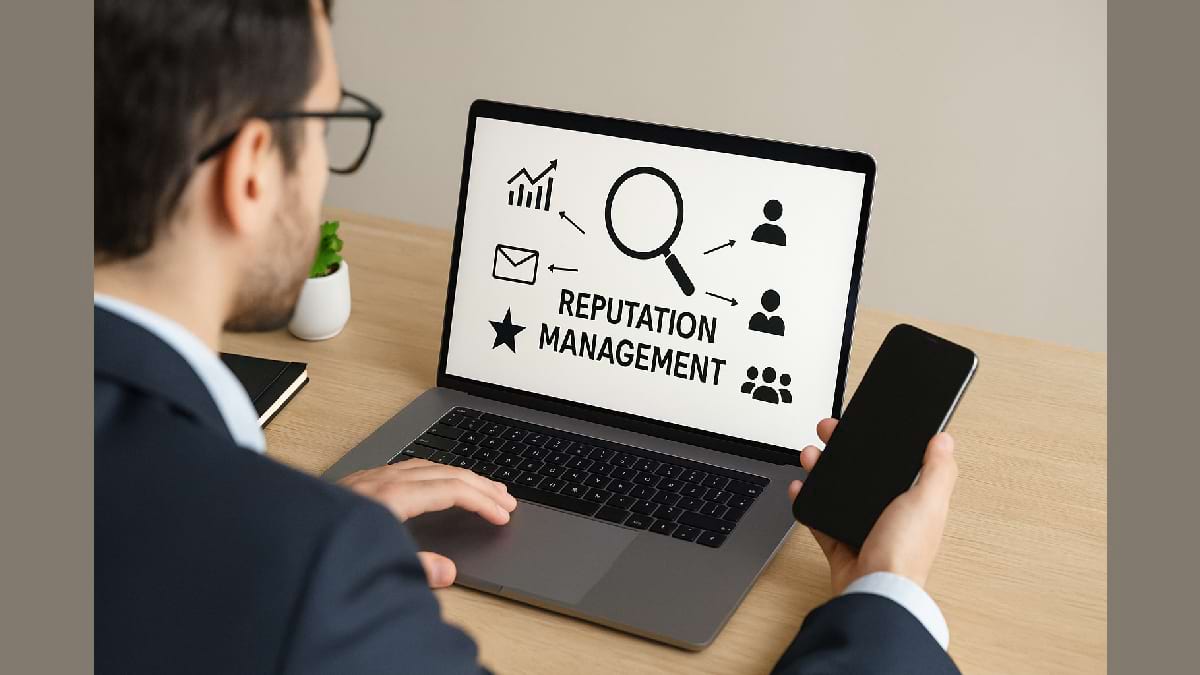
A reputation manager is a professional who monitors and shapes a brand’s public perception. They analyze customer feedback, manage online reviews, and create strategies to promote positive stories. With the rise of review websites and social media platforms, their role has never been more critical. They often use reputation management software and tools to track mentions and analyze sentiment, helping to suppress negative search results and boost positive reputation signals. Their key responsibilities include monitoring reviews, engaging with customers, and shaping public perception to build a good reputation.
Key Responsibilities of a Reputation Manager
The key responsibilities of a reputation manager include continuous monitoring of online presence, managing customer feedback, handling crisis communication, and creating digital marketing campaigns. They ensure that both positive and negative reviews are addressed promptly and that the brand maintains a consistent voice across all communication channels. This proactive approach, often led by an online reputation specialist, supports long-term reputation building and business success.
Customer Feedback as the Foundation of Reputation Management
Customer feedback is central to reputation management. Reputation managers actively monitor and analyze feedback from sources such as review websites, social media platforms, and direct customer interactions. They respond to both positive feedback and negative feedback, addressing concerns and thanking customers for their praise. This engagement helps build trust and loyalty, turning satisfied customers into brand advocates while mitigating the impact of bad reviews.
How Reputation Managers Shape Public Perception
By leveraging tools and strategies, reputation managers actively shape a brand’s voice. They ensure that positive content outweighs negative reviews and can help mitigate the effects of a reputational crisis. This proactive approach is key to maintaining a strong online presence and an effective corporate reputation management strategy. Their efforts include content creation, public relations, and digital marketing campaigns designed to highlight a brand’s strengths and promote positive information. Crisis management is a vital part of their work, enabling them to respond quickly to any negative coverage or reputational crisis that may arise.

Navigating Reputation Challenges Through Crisis Management
Crisis management is a critical responsibility for reputation managers. When a reputational crisis occurs—such as negative press, social media backlash, or a public incident—they act swiftly to control the narrative. This involves drafting clear, honest statements, coordinating with legal and PR teams, and responding rapidly across communication channels to minimize damage. After the crisis, they work on restoring trust through positive campaigns and transparent communication, helping the brand recover and maintain customer confidence.
Digital Marketing and Reputation Management
Digital marketing plays a crucial role in reputation management by amplifying positive stories and engaging audiences across social media platforms and other online channels. Reputation managers use targeted marketing campaigns to enhance brand visibility, improve customer engagement, and promote a positive image, learn more about online reputation management in digital marketing, which supports business goals and strengthens the brand’s online reputation.
Why Business Reputation Matters
A strong business reputation is essential for attracting and retaining customers. It influences purchasing decisions, investor confidence, and employee morale. Reputation managers help businesses cultivate a positive reputation by consistently delivering excellent customer experiences, engaging with the community, and managing the brand’s online presence. Businesses with a good reputation enjoy higher customer trust, better market positioning, and long-term success.
Real-World Impact of Reputation Management
Consider a popular restaurant chain that faced a series of negative online reviews following a food safety incident. By hiring a dedicated reputation manager, they implemented a robust reputation management strategy that included:
- Monitoring reviews on platforms like Yelp and Google Business Profile
- Responding promptly to customer complaints and negative reviews
- Launching marketing campaigns to highlight positive customer testimonials and generate more reviews
As a result, they turned around their public image within six months, increasing customer trust and ultimately boosting revenue by 20%. This example illustrates how continuous process and reputation repair efforts can lead to long-term success. Many clients benefit from such dedicated reputation managers who help them navigate complex challenges and maintain a strong brand online.
Monitoring Reviews and Managing Negative Reviews
Effective reputation managers consistently monitor reviews across various platforms such as Google Business Profile and Yelp. They address negative reviews constructively to resolve issues and demonstrate the brand’s commitment to customer satisfaction. For a deeper strategy, explore this complete guide to managing online reputation and reviews for business growth. This approach not only mitigates potential damage but also encourages more positive reviews, strengthening the overall business reputation.
Understanding the Cost of Inaction
Failing to address your brand’s reputation can lead to significant losses. Brands that ignore their online reputation management risk losing 22% of potential customers. Think about it—one negative review can deter hundreds of potential clients. If you do nothing, the negative content will only grow, costing you time and revenue while your competitors capitalize on your inaction. Negative links and negative press can linger in search results, damaging your business’s reputation both offline and online.

Overcoming Common Objections
You might be thinking, “Do I really need a reputation manager?” or “Isn’t this just a fad?” Here’s the reality:
- Cost: Hiring a reputation manager can seem expensive. However, the cost of one lost customer can far exceed the investment in reputation management.
- Control: Some believe they can manage their reputation themselves. But without the right tools and expertise, including reputation management software and keyword research capabilities, you risk missing critical feedback and insights.
- Time: You might think you don’t have the time. Yet, an effective reputation manager actually saves you time by handling communications and monitoring, allowing you to focus on your core business and business goals.
Communication Channels Used in Reputation Management
Reputation managers utilize a variety of communication channels, including social media platforms, review sites, news outlets, direct customer interactions, and offline reputation management efforts. Managing these channels effectively ensures timely responses to feedback and maintains a consistent brand message across all touchpoints, strengthening the brand’s online and offline reputation.
Building and Maintaining Online Presence
Maintaining a strong online presence is fundamental to reputation management. Reputation managers ensure that a brand is visible and positively represented across search engine results, social media accounts, and review platforms. They use SEO strategies to promote positive content and suppress negative search results, learn more about companies that clean up your online presence, helping businesses appear trustworthy and credible to potential customers.
Steps to Implementing a Reputation Management Strategy
Ready to take control of your brand’s reputation? Here’s how:
- Identify your key communication channels, including social media accounts and review sites.
- Set up Google Alerts for your brand to monitor mentions and negative coverage.
- Regularly monitor review sites and social media to analyze sentiment and respond to feedback.
- Engage with customers by responding to both positive and negative feedback, encouraging more positive feedback.
- Create positive content, such as press releases and marketing campaigns, for sharing across various platforms.
If you want to apply this without trial and error, consider working with a dedicated reputation manager or a reputation management companies that specialize in brand reputation management.
Optimizing Your Google Business Profile for Reputation Management
A Google Business Profile is a vital tool for managing your brand’s online reputation. Reputation managers optimize this profile by ensuring accurate business information, responding to reviews, and posting updates that highlight positive customer experiences. This helps improve local search visibility, builds trust with potential customers, and supports a strong, positive online presence.
Building a Good Reputation
Building a good reputation requires consistent effort in engaging with customers, managing online presence, and promoting positive content. Reputation managers focus on building a trustworthy image that attracts and retains customers and on learning how to build a good reputation, ultimately driving long-term business success. This includes both personal and corporate reputation management, ensuring that companies maintain a strong and positive public image alongside individual brand representatives.
Finding the Best Reputation Managers
Choosing the best reputation managers can significantly influence how effectively your brand navigates challenges and grows its positive image. To learn more about their role, explore what a reputation manager does, including responsibilities, strategies, and tools. Top reputation managers combine expertise in public relations, digital marketing, and crisis management to deliver tailored strategies that meet specific business needs and goals.
FAQs About Reputation Management Basics
Q1: What does a reputation manager do?
A reputation manager, often called an online reputation manager, monitors and influences how a brand is perceived across digital platforms. This includes analyzing customer feedback, managing online reviews, and developing strategies to improve and protect the brand’s public image.
Q2: Why is reputation management important?
Reputation management is essential because a brand’s online presence directly impacts customer trust and purchasing decisions. A strong, well-managed reputation can increase conversions, strengthen brand credibility, and drive long-term business growth.
Q3: How can I improve my brand’s reputation?
You can improve your brand’s reputation by actively engaging with customers, responding quickly to negative feedback, and encouraging satisfied customers to share positive experiences. Consistent communication and high-quality content across online channels help shape a strong and trustworthy brand image.