

- Discover the essential components of an effective reputation management strategy to proactively build and protect your brand’s image online and offline.
- Learn how systematic monitoring, authentic engagement with customer feedback, and amplifying positive content can transform your reputation into a powerful business asset.
- Understand the importance of a crisis management plan and expert guidance to navigate challenges and maintain a strong, trustworthy brand presence.
Reputation Management Strategy to Build Trust and Protect Your Brand
Your brand’s reputation is not built by your marketing team. It is defined in the quiet moments you never see: a frustrated customer venting on a niche forum, a potential hire scanning your Glassdoor reviews, or a competitor whispering doubts in a client’s ear. You are not just building a brand; you are managing a living, breathing entity that can turn on you at any moment.
Most businesses treat their online reputation like a leaky faucet, patching problems only after the floor is already flooded. A single negative review drops, and it is all hands on deck. This is not a strategy; it is a panic attack. A truly effective reputation management strategy is your dam, built long before the storm, proactively channeling water and generating power. It is the difference between being a victim of public perception and its architect.

The Real Cost of a “Wait and See” Reputation Strategy
Thinking you can deal with a reputation crisis if it happens is like thinking you can learn to swim during a tsunami. The cost of inaction is not a hypothetical risk; it is a guaranteed tax on your future growth. A bad reputation is a silent killer of your bottom line.
Consider the numbers. Research shows that 94% of consumers have avoided a business because of negative online reviews. For every star your Yelp or Google rating drops, you can expect a 5% to 9% decrease in revenue. This is not about hurt feelings; it is about real money walking out the door and into your competitor’s business. Your company’s reputation directly impacts its ability to attract not just potential customers. Still, also top talent. A tarnished brand image makes hiring more expensive and complicated, creating a downward spiral of mediocrity.
The decision tension here is stark. Businesses that wait for a crisis constantly play defense, losing ground daily. They see their lead flow shrink, their sales cycles lengthen, and their best people get poached. Meanwhile, their proactive competitors build a fortress of trust through online reputation management and digital marketing services, one positive review and one significant customer interaction at a time. Every day you delay, the gap widens. You are not just standing still; you are actively falling behind.
Why Your Current Efforts Might Be Backfiring
You might think you have this handled. You have Google Alerts set up. You reply to the occasional negative comment on social media. However, this piecemeal approach is often more damaging than doing nothing at all. It signals that you are aware of the conversation but do not care enough to engage with it properly.
A strong reputation management strategy is not about spot-cleaning. It is about building an ecosystem of trust. Most reputation management efforts fail because they are purely reactive. They focus on damage control rather than on creating a positive foundation that can withstand a hit. Responding to negative feedback is only 10% of the equation. The other 90% is a proactive strategy that involves generating positive sentiment, systematically monitoring online conversations, and building an unshakeable brand online.
This addresses a common objection: “We already handle customer complaints.” Handling complaints is customer service. Building a system that minimizes complaints, turns happy customers into advocates, and controls the reputation of your company across search engines, social media, and review sites? That is reputation management. Without a holistic management strategy, you are just plugging holes in a sinking ship.
Key Components of a Winning Strategy
An effective reputation management strategy is built on three core pillars. It is an ongoing process, not a one-time campaign. Integrating these components transforms your brand from a passive target into an active participant in shaping its own destiny. Let us break down what a proactive reputation management strategy truly involves.
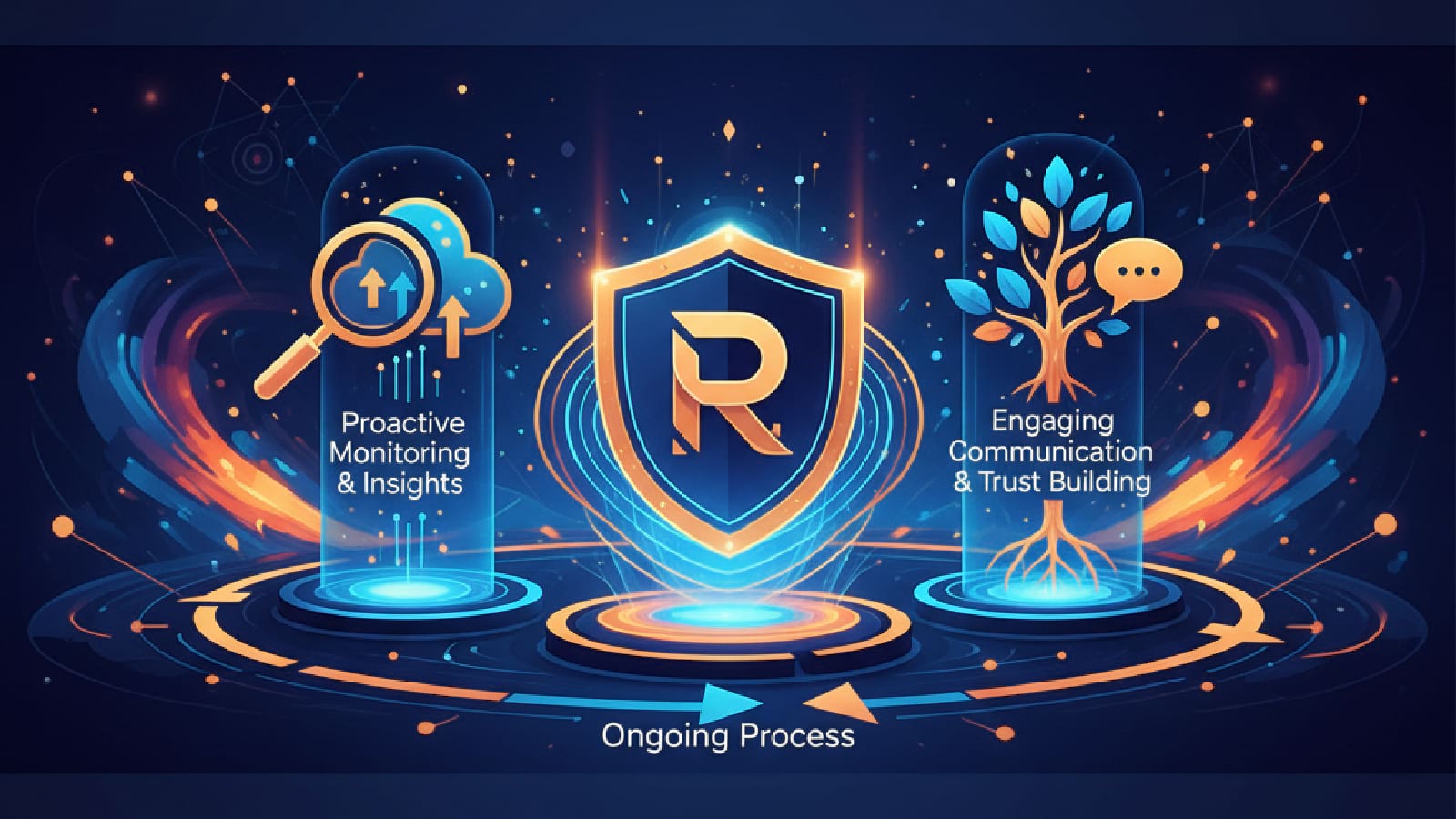
Systematic Monitoring of Your Digital Footprint
You cannot manage what you do not measure. Setting up a few Google Alerts is a start, but it is like using a fishing net with giant holes. A professional approach requires comprehensive monitoring of online mentions. This means using sophisticated social listening tools to track brand mentions not just on major social media accounts, but in forums, blogs, news articles, and review aggregators.
This proactive monitoring provides valuable insights into customer sentiment. Are feedback trends positive or negative? What are people saying in social media conversations that they are not saying to your support team? These tools help you monitor social media and the broader web for your brand name and industry-specific keywords, giving you a competitive advantage by identifying the early warning signs of a bad online reputation before issues escalate into full-blown crises. You must track brand mentions across all channels to get a complete picture of your brand image online.
Engaging with Customer Feedback The Right Way
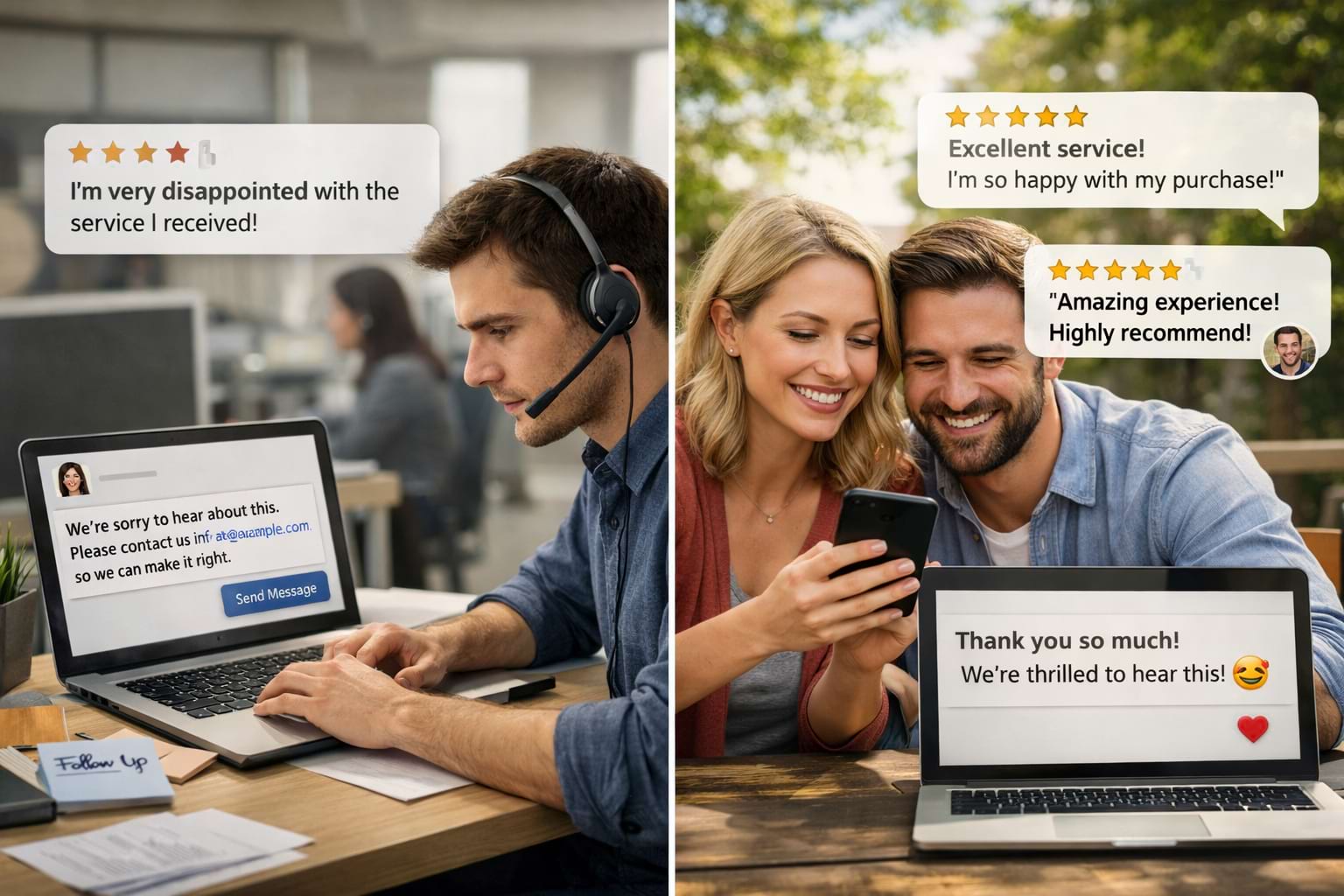
How you respond to feedback determines whether trust is won or lost. The goal is to respond promptly and authentically to all types of feedback, not just negative comments. Acknowledging positive reviews shows you value your happy customers and encourages other satisfied customers to share their experiences.
When addressing negative feedback or bad reviews, the key is empathy, speed, and moving the conversation offline. A public, defensive argument is a battle you will always lose. A simple, “We are sorry you had this experience, and we want to make it right. Please contact us at [email/phone] so we can address this directly,” does three things: it validates the customer, shows onlookers you care, and takes the conflict out of the public eye. This approach to customer interactions can often turn a detractor into a loyal fan. It demonstrates a commitment to customer satisfaction that resonates with everyone watching.
Amplifying Your Positive Online Presence
The best defense is a good offense. Promoting positive content is the most potent part of any brand reputation management strategy. This involves a multi-pronged approach:
- Encourage Reviews: Actively and systematically encourage satisfied customers to leave reviews on key platforms like Google, Yelp, and industry-specific review sites. A steady stream of positive reviews is the single most effective way to build a sterling online reputation and buffer against the occasional negative one.
- Content Marketing: Develop and promote content that showcases your expertise, company culture, and brand values. A well-maintained blog, case studies, and a professional personal website for key executives—supported by a strong individual online reputation management strategy—can dominate the first page of search results for your brand, pushing any potential negativity further down. This increases brand visibility and builds a positive image.
- Social Media Engagement: Use your social media posts to highlight positive aspects of your business, share customer success stories, and engage in positive online conversations. Your social media presence should reflect the positive brand image you want to project.
Let us contrast the two approaches with a clear table:
From Theory to Action: Two Brands That Mastered Their Online Reputation
An effective strategy is not just theory. Look at how real businesses have turned their reputation into their greatest asset.
Consider “The Gilded Spoon,” a small local bistro competing in a crowded downtown market. Initially, it had a decent 3.8-star rating but was being drowned out by flashier competitors. It implemented a simple but powerful online reputation management strategy. It started using a text message system to ask every diner about their customer experience after their meal. If the feedback was positive, the system automatically sent a follow-up link to their Google business profile. Within six months, its rating jumped to 4.9 stars with over 500 new reviews. It became the top-ranked restaurant for its cuisine type in the city, and reservations are now booked out weeks in advance. Its proactive approach to encouraging satisfied customers created a sterling online reputation that its competitors could not buy.
On a larger scale, think of a mid-sized software company that discovered through online reputation monitoring that a vocal group of users on Reddit was complaining about a niche but frustrating bug. Instead of ignoring it, their product manager joined the conversation, acknowledged the issue, and provided a timeline for the fix. This small act of transparency prevented a larger crisis management situation. It turned angry users into advocates because they felt heard. This shows how monitoring online conversations and having a crisis management plan for even minor issues can reinforce a positive brand perception and build immense trust.
If you are serious about not just surviving but thriving, you need a system. The fastest way to build that system without months of trial and error is to book a free reputation audit with our team. We will show you exactly where you stand and how to move forward.
The Fork in the Road: Your Brand’s Future Starts Now
You are at a decision point. Your brand’s online reputation is being shaped right now, with or without your input. You have two paths forward.
Path 1: The DIY Route. You can apply the principles from this article to build your own reputation management strategy. You will spend dozens of hours researching the right online reputation management tools, training your team, and inevitably making costly mistakes. You will be learning on the job while your reputation hangs in the balance. This path is paved with good intentions but often leads to burnout and missed opportunities. This is where the objection, “I do not have time for this,” becomes a painful reality. You do not have time not to do it, but doing it yourself is a full-time job.
Path 2: The Expert Route. You can partner with specialists who live and breathe this every day. This is not about cost; it is about investment. This handles the objection, “It is too expensive.” What is more expensive: a structured, expert-led strategy, or losing 10% of your revenue next year because of a damaged brand reputation? An expert approach provides the framework, tools, and experience to build your positive reputation efficiently, protect you from threats, and capitalize on opportunities you may not yet see.
The choice creates a clear divide between businesses that react to the future and those that make it. Waiting is a decision, and it is a decision to let strangers, competitors, and algorithms define your brand for you. Acting is a decision to take control.
To make this decision easier, we remove the risk and uncertainty. When you book a free reputation audit, here is precisely what happens: You will schedule a 30-minute video call with one of our senior reputation strategists. There is no hard sell. We will use professional reputation management software to run a live analysis of your online presence, identify your top 3 vulnerabilities, and map out a clear action plan. You will leave the call with valuable insights and a concrete strategy you can implement immediately, whether you choose to work with us or not. There is zero obligation.

FAQs About Reputation Management Strategy
Q1: What is the first step in creating a reputation management strategy?
The first step is conducting a comprehensive audit to understand your current standing. This includes reviewing existing online reviews, analyzing search engine results for your brand name, evaluating social media sentiment, and comparing your performance against competitors.
Q2: How can I deal with fake negative reviews?
Begin by flagging the review through the platform’s official reporting process, such as Google or Yelp, and provide any supporting evidence available. While awaiting a decision, post a calm, professional response stating that the review does not appear to be from a verified customer, without sounding accusatory. This reassures potential customers that you are attentive and proactive.
Q3: What are the best online reputation management tools for local businesses?
Local businesses benefit most from a combination of tools. Free solutions like Google Alerts help monitor brand mentions, while dedicated review management platforms centralize reviews from multiple sites and automate feedback requests from satisfied customers, delivering strong value.
Q4: How long does it take to repair a bad reputation?
Reputation recovery is a long-term process. Initial improvements can often be seen within three to six months of consistent, proactive management. However, building a strong and resilient reputation may take a year or more, with ongoing monitoring, engagement, and promotion of positive content being essential.
From Reputation Management to Reputation Mastery
The digital age does not forgive businesses that neglect their brand image. Every day you wait is another day you allow the court of public opinion to write your story for you. You can continue hoping for the best and reacting to the worst, or you can take decisive action to build an unshakeable brand that attracts customers, talent, and opportunities.
Stop leaving your most valuable asset to chance. The framework is clear, and the stakes are too high to ignore. Stop guessing and start building a positive online presence that fuels your business objectives. Book your free reputation audit today and get the clarity you need to safeguard your future.

