- The critical impact of timely review responses on your restaurant’s online reputation, customer trust, and revenue growth.
- Practical strategies and tools for effective online reputation management, including monitoring, responding, and soliciting reviews.
- How to implement a streamlined reputation system that boosts ratings, attracts more customers, and improves search visibility.
How Restaurants Improve Ratings and Review Response Time
How much revenue disappears when an unanswered negative review sits on your Google listing for a week? The short answer: more than you think. Restaurants with slow review response lose new diners, local search visibility, and the chance to multiply positive feedback. Want proof? This article gives a tactical plan you can follow to turn review response time into a growth lever for your restaurant. It demonstrates why effective online reputation management for restaurants matters in today’s competitive market, especially when it comes to managing online reviews. Prompt responses to online reviews can significantly influence customer trust and restaurant ratings, which is why many businesses rely on review management services to stay consistent. Ignoring online reviews, particularly negative ones, risks losing potential customers and damaging your restaurant’s online reputation.
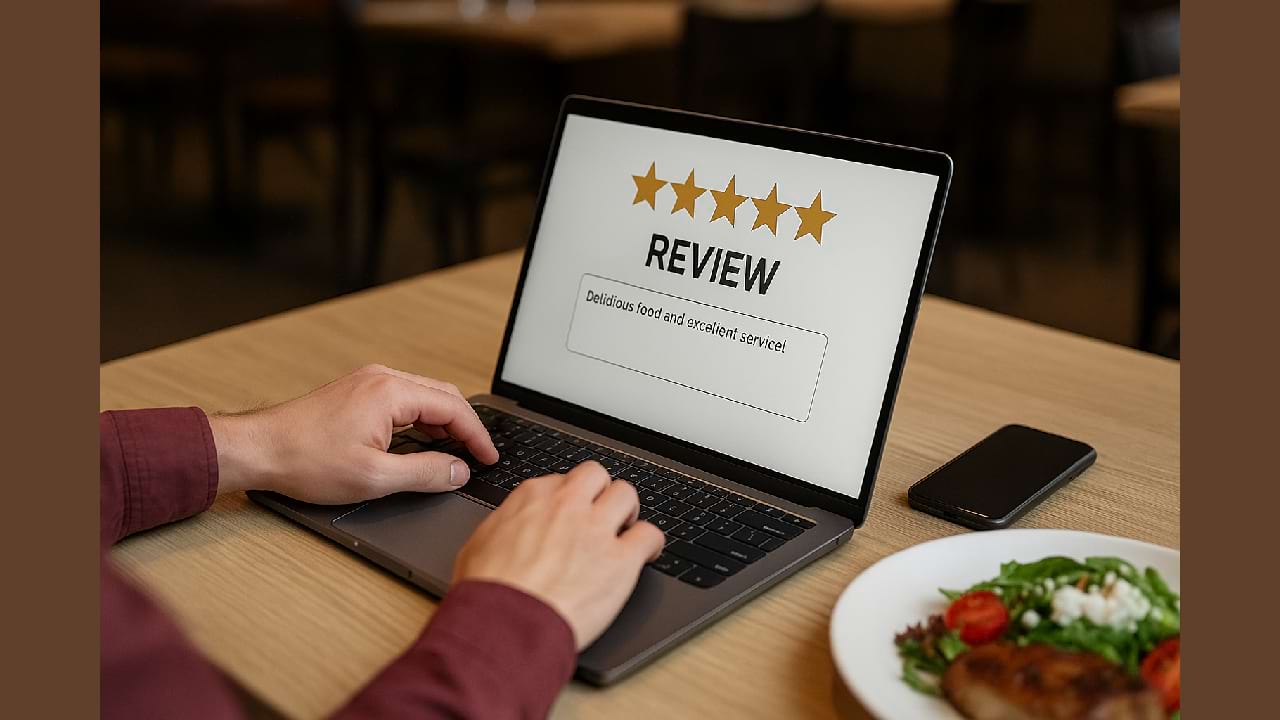
Effective Reputation Management: Building Trust and Loyalty
Effective reputation management is more than just reacting to reviews; it’s about proactively shaping your restaurant’s online presence. By consistently monitoring online ratings and engaging with both positive and negative customer feedback, you demonstrate a commitment to excellent customer service. This builds trust with prospective customers and encourages repeat business. A strong reputation management strategy includes timely responses, personalized interactions, and using insights from reviews to improve operations and guest experiences.
Understanding Google Reviews and Google Business Profile
Google reviews are the cornerstone of your restaurant’s online reputation, directly impacting your Google Business Profile and local search rankings. Maintaining a strong presence with consistent positive reviews and timely responses on Google helps attract more customers and boosts your restaurant’s visibility across search engines and Google Maps. Learning how to manage online Google reviews effectively can further strengthen your restaurant’s credibility and search performance.
Response Speed That Wins More Diners Than a New Menu Item
Your restaurant’s digital reputation isn’t a passive asset. Every review, social mention, and Google Maps rating changes how prospective customers choose where to eat. Search engines factor in review volume and recent activity, so your response rate and monitoring affect discoverability on Google Business Profile and Google Maps. This is why online reputation management for restaurants matters deeply in the restaurant industry. One sharp stat to make you sit up: 70 percent of potential customers read at least six reviews before they trust a restaurant, and 53 percent are less likely to visit after seeing unresolved negative feedback. Slow or no review response costs visits and steady revenue.
Restaurant reputation management isn’t only about smoothing feelings. It’s a measurable driver of foot traffic, online ratings, and long-term customer trust. If you want more customers, better ratings, and a healthier bottom line, treat online reviews like an extension of front-of-house service and excellent customer service. Meeting customer expectations consistently is key to building a strong brand image and generating positive customer experiences. This approach reflects how successful restaurants leverage effective reputation management as a core part of their growth strategy, similar to strategies used in online reputation management for hotels.
Real Results from Faster Review Replies
Case study 1: The Harbor Grill, a 70-seat coastal restaurant in Portland. They had multiple negative reviews on Google and TripAdvisor, citing long wait times and inconsistent food quality. The manager started daily review monitoring, committed to a 24-hour initial reply, and offered a complimentary appetizer for a return visit. In eight weeks, the Google rating rose from 3.3 to 4.1, review volume grew by 40 percent, and monthly revenue increased by 12 percent. Bookings and map traffic climbed because new glowing reviews and faster replies boosted visibility and digital presence.
Case study 2: Mama Rosa Trattoria, a family-run 45-seat spot in Chicago. One viral Yelp review and unanswered social posts hurt weekend reservations. The owner adopted restaurant reputation management software to monitor digital platforms, used personable templates, and added QR codes to encourage happy customers to leave positive reviews. Within six weeks, the average rating moved from 3.7 to 4.5, review volume doubled, and weekend reservations rose 25 percent. Better ratings and more positive reviews brought new customers and stronger local repeat business. Positive reviews played a key role in boosting the restaurant’s reputation and attracting more diners, underscoring the power of actively managing them.

The Real Cost of Doing Nothing
The cost of inaction is concrete. Use these conservative estimates to see the downside of silence.
- Lost customers: If your average check is $30 and you lose 10 potential covers per week because of slow review response, you’re losing $15,600 a year.
- Lower search rank: Fewer reviews and a low response rate reduce visibility on Google Maps and search engines, resulting in lower organic discovery and free traffic.
- Reputation erosion: Unaddressed negative comments erode trust and lower conversion rates among customers who read reviews before they visit.
Decision tension is simple: competitors who reply faster win diners who read reviews last. Every day you delay, those customers become lost at someone else’s table.
This clearly shows why reputation management matters for restaurants aiming to stay competitive and profitable in today’s digital landscape.
Build a Reputation System That Raises Your Online Ratings
Start with a clear playbook that ties review monitoring to operational fixes. If your response rate is low because staff don’t have time, change the process. If online reviews point to food quality or service problems, treat them as business intelligence. Effective reputation management streamlines both operational and digital processes, ensuring that online reviews are addressed promptly and maintaining a positive restaurant reputation. For a step-by-step framework, learn how to build your online reputation effectively.

Monitor Major Review Platforms Daily
Cover Google reviews, TripAdvisor, Yelp, and social media platforms. Use reputation management software that consolidates review data into a single dashboard so you don’t waste valuable time hopping between sites. Reading reviews daily and tagging mentions by topic, such as food quality, service speed, cleanliness, or other customer concerns, helps identify trends and areas for improvement. Prioritizing these major review platforms ensures you capture the most impactful feedback to maintain your restaurant’s online reputation.
Encouraging Reviews to Boost Your Restaurant’s Online Reputation
Encouraging reviews is a vital part of online reputation management for restaurants. By actively inviting satisfied customers to share their positive experiences through simple methods like QR codes, follow-up emails, and polite in-person requests, you can increase your review volume and build a strong base of positive reviews. This steady influx of reviews not only enhances your restaurant’s online reputation but also improves search engine visibility, attracting more potential customers.
Set a 24-hour Reply Policy That Feels Human
Set a 24-hour initial response target. That timing tells potential customers you care and helps de-escalate negative feedback. Keep templates short, acknowledge concerns, and invite offline contact. When appropriate, add an invitation to return so you can turn a complaint into a second chance. This approach helps you effectively address negative reviews and show your commitment to customer satisfaction through proactive reputation management. Fast, consistent reputation management builds trust and strengthens your restaurant’s online presence. For deeper insights, explore online reputation management articles that cover proven strategies and best practices.
Address Negative Reviews with Care and Strategy
Responding to negative reviews promptly and thoughtfully is crucial. Acknowledge the issue, apologize sincerely, and offer a clear path to resolution. This not only repairs relationships with dissatisfied customers but also demonstrates to potential diners that your restaurant values feedback and is committed to excellent customer service.
Encouraging Good Reviews to Build Social Proof
Encouraging guests to leave reviews, especially good reviews, is a powerful way to enhance your restaurant’s online reputation. Use polite requests, QR codes on tables, and follow-up emails to make it easy for satisfied customers to share their positive experiences. This steady flow of positive reviews helps balance negative comments, boosting your restaurant’s overall online ratings and improving its visibility and appeal.
Ask for Reviews Without Sounding Pushy
Train servers to include a polite request to leave a review after each check, add QR codes at each table, and send gentle email follow-ups with a link to your Google Business Profile. Encouraging reviews from satisfied guests dilutes the impact of occasional negatives and lifts overall ratings over time. This strategy helps consistently collect reviews and build a strong base of positive reviews. Effective restaurant reputation management ensures these practices are part of your daily operations, making it a key focus for your team and aligning with proven strategies to increase online reviews and boost customer feedback.
Act on Review Insights to Fix Recurring Issues
Scan review data for patterns. If many reviews mention food quality, escalate training and ingredient checks. If service is slow, adjust staffing or kitchen workflow. Treat review platforms as a free focus group and act on the customer feedback to meet evolving customer expectations. Effective reputation management means using this valuable data to refine your operations and improve guest satisfaction continuously. Reputation management also involves proactively addressing common concerns highlighted in reviews, ensuring your restaurant’s reputation remains strong.
Turn Critics into Advocates with Smart Replies
Responding to negative reviews is high-return when you do it right. Fast, professional replies show future diners you take responsibility and build trust. Follow this practical sequence:
- Read reviews carefully and pause before replying. Don’t react defensively.
- Reply publicly within 24 hours, acknowledge the issue, and offer a private channel for follow-up, such as email or phone. That shows you’re committed to resolving concerns.
- Fix the issue internally, then follow up privately with the reviewer. Invite them back to experience the improvement when appropriate.
- If a reviewer updates their comment, thank them publicly and note the resolution so future readers see the outcome.
Handled well, negative feedback often converts critics into loyal customers and drives more positive reviews over time.
Pick the Right Reputation Tool for Your Restaurant
Not all reputation tools suit restaurants. Look for restaurant reputation management software that handles review volume across major review platforms, monitors social media presence and brand mentions, integrates with Google Business Profile, and automates review requests. Exploring the best online reputation management tools for businesses can help you identify solutions that fit your needs. The best tools save valuable time, track response rates, and maintain your restaurant’s unique brand voice.
If you’re a restaurant owner worried about cost, consider the revenue lift from faster replies and higher ratings when you evaluate pricing.
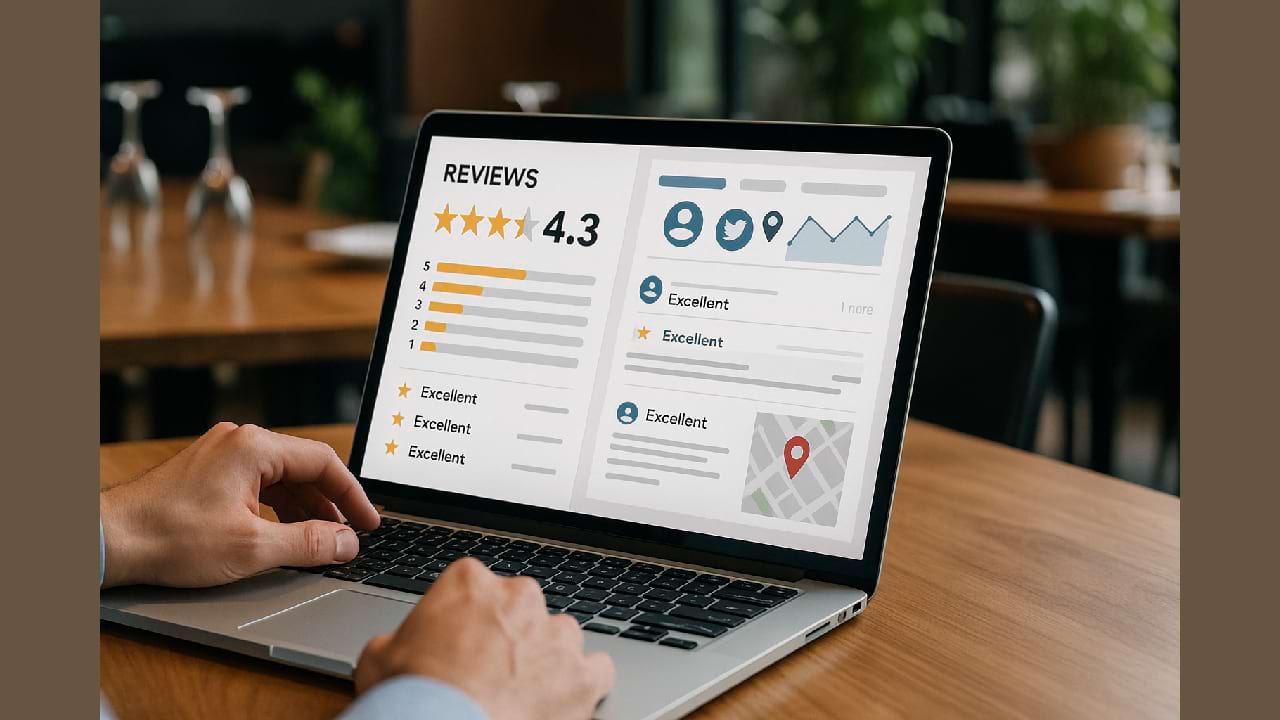
Top Objections and Practical Fixes
Objection 1: I don’t have time to monitor reviews. Use reputation software to save valuable time, consolidate monitoring, and automate review requests. The tool handles the basics; you keep the final sign-off and keep your voice.
Objection 2: I’m worried about fake reviews. Fake reviews happen, but active monitoring and reporting deter them. When you solicit legitimate reviews from real diners, fake feedback has less influence on your rating.
Objection 3: I don’t want to sound scripted when I reply. Templates are starting points. Personalize replies with one or two lines. Good reputation tools make it easy to stay efficient while speaking in your unique brand voice.
These fixes make action practical, not philosophical.
Scripts That Convert Reviews into Second Chances
Use short, empathetic language. These scripts convert negative sentiment into second chances and encourage more positive feedback.
- Negative review initial reply example: Thank you for your feedback. I’m sorry we missed the mark during your visit. Please email manager@yourrestaurant.com so we can make this right. We value honest feedback and are working to improve.
- Follow-up after resolution example: Thank you for speaking with us. We appreciated your feedback and hope you’ll visit again. If you enjoyed the experience, a quick review on Google or TripAdvisor helps others find us.
- Positive review request example: Thanks for dining with us. If you enjoyed your meal, leaving a Google review helps our local community find great places to eat.
Measure How Review Response Drives Business Performance
Link review improvements to revenue KPIs. Track average rating, review volume, response rate, local search rank on Google Maps, and new customers from online leads. Small lifts in average rating can yield outsized returns in conversion and bookings, boosting revenue. Restaurant reputation management simplifies this process by consolidating data and providing clear insights for actionable improvements.
Key metrics to monitor weekly:
- Review volume and source breakdown across review sites
- Average rating and change over time
- Response rate and average response time
- Reservation or booking changes after major review improvements
When you tie these metrics to bookings and revenue, reputation management becomes a clear performance lever for your restaurant business.
From Idea to Action in Days
As you create momentum, if you’ve read this far, you either want to act or still need convincing. The fastest way to avoid trial and error is a free reputation audit that checks your Google Business Profile, TripAdvisor, and other major review platforms, as well as your current response rate.
After you book a free audit, we assess your monitoring processes, sample recent reviews, and deliver a short plan with quick wins: a 24-hour initial response playbook, staff scripts, and a technical checklist for review tools. No long contracts for the audit, just an action plan you can implement in 7 to 14 days.
If you want to skip guesswork, book a free reputation audit. That step reduces risk and speeds up the improvements you saw in the case studies above.
30-Day Rollout Plan to Improve Ratings
Week 1: Audit and tools: Choose restaurant reputation management software to consolidate Google reviews, TripAdvisor, and social media mentions. Train one staff member to handle monitoring and set the 24-hour response goal.
Week 2: Scripts and solicitations: Add QR codes at tables, create email follow-ups, and post polite review-request signage. Start soliciting reviews after each dining experience to generate positive customer feedback.
Week 3: Operational fixes: Use review data to address food quality, staffing for timely service, or menu tweaks. Monitor rating changes and initial response metrics.
Week 4: Measure and iterate: Review analytics, track review volume, and measure reservation changes. If the average rating rises and volume grows, scale the process to other shifts or locations.
Gain a Competitive Edge by Acting Now
Local businesses often move slowly. Your competitors probably aren’t monitoring review volume, online reviews, or reply speed. Fast responders win trust, search rank, and more customers. Waiting means losing new diners to competitors who engage their community online.
Still undecided? Imagine your busiest weekend booked by a competitor who raised their Google rating by half a star. The revenue gap is real and recurring.
Make the Decision That Drives Revenue
You have two paths. One keeps you where bad reviews linger, response rates lag, and search visibility fades. The other turns your online reputation into reliable revenue with clear steps and measurable outcomes. The fastest move is to book a free reputation audit that provides a concise plan, staff scripts, and a 30-day rollout checklist. No fluff, no long-term commitment—just an executable path to more positive reviews, better ratings, and more customers walking through your door, similar to the strategies outlined in this guide on reputation management for restaurants.
This restaurant reputation management approach ensures you stay organized and focused on what matters most. With effective restaurant reputation management, your team can confidently improve your restaurant’s online presence and customer trust. Book a free reputation audit and start improving your restaurant’s digital reputation today.
FAQs About Review Response & Monitoring
Q1: When should I reply to negative reviews?
Ideally, respond within 24 hours. Prompt responses show customers that you take feedback seriously and care about resolving concerns. Fast engagement also improves your review response metrics and demonstrates accountability to potential customers.
Q2: Can replies improve my Google rating?
Replies don’t directly change star ratings, but they can influence outcomes. Thoughtful responses may encourage dissatisfied reviewers to update their ratings, attract more positive feedback from satisfied customers, and increase overall review activity, all of which can benefit your search visibility.
Q3: Which platforms should I monitor first?
Start with your Google Business Profile and Google Maps, as they are major drivers of local discovery. Next prioritize Yelp and TripAdvisor, which are widely used for decision-making. Afterward, expand monitoring to social media platforms where customers may discuss your brand.
Q4: What should I do if I see fake reviews?
Report fake reviews directly through the platform’s reporting system. At the same time, continue encouraging legitimate reviews from real customers to dilute the impact of suspicious feedback. Reputation management tools can also help identify unusual review patterns and alert you to potential abuse.
Q5: How can I ask for reviews without sounding pushy?
Keep requests simple and friendly. Use QR codes, short follow-up emails, or polite prompts from staff after a positive experience. Making it quick and convenient for customers to leave feedback on platforms like Google or TripAdvisor increases participation without feeling intrusive.
Q6: Will reputation software save time?
Yes. Reputation management tools centralize review monitoring, automate feedback requests, and organize review data for trend analysis. This reduces manual work and helps businesses maintain a high response rate without overburdening staff.