

- Discover the importance of listing management in maintaining accurate and consistent business information across multiple online directories and platforms to boost local SEO and customer trust.
- Learn step-by-step strategies for auditing, standardizing, distributing, and monitoring your business listings effectively, including managing Google Business Profile and preventing duplicate listings.
- Explore essential tools, common pitfalls, multi-location management challenges, and future trends to optimize your online presence and drive more foot traffic and sales.
What is Listing Management and Why It Matters
Listing management is a core strategy in local SEO that helps businesses maintain consistent information across online directories, web crawlers, and social media systems. Listings management provides a comprehensive, automated, and scalable solution for companies managing multiple locations or systems, ensuring accuracy and efficiency at scale. In this guide, you’ll learn what listing management is, why it matters for local search results, and how to implement it effectively to attract more clients.
Modern consumers rely heavily on regional search to discover businesses. When your business information appears inconsistently across the web—different phone numbers on Google Maps versus Yelp, or outdated hours on Facebook—you lose credibility and potential sales. Accurate local listings are crucial for establishing customer trust and attracting foot traffic, as research indicates that 68% of consumers lose trust in businesses with inaccurate online listings, which can directly impact foot traffic and revenue. Partnering with trusted solutions like ReputationPrime helps ensure your business details remain consistent, visible, and reliable across all platforms.
This comprehensive guide covers everything from basic definitions to advanced automation strategies, helping you take complete control of your online business presence. Whether you manage a single local business or multiple locations, you’ll discover actionable techniques to enrich visibility, improve local rankings, and create a seamless customer experience across all digital touchpoints. To maximize the benefits of regional search, it is essential to maintain consistency with your business information across all relevant systems. For additional support in strengthening your visibility and credibility, explore Reputation Prime’s Earned Media Marketing Services.
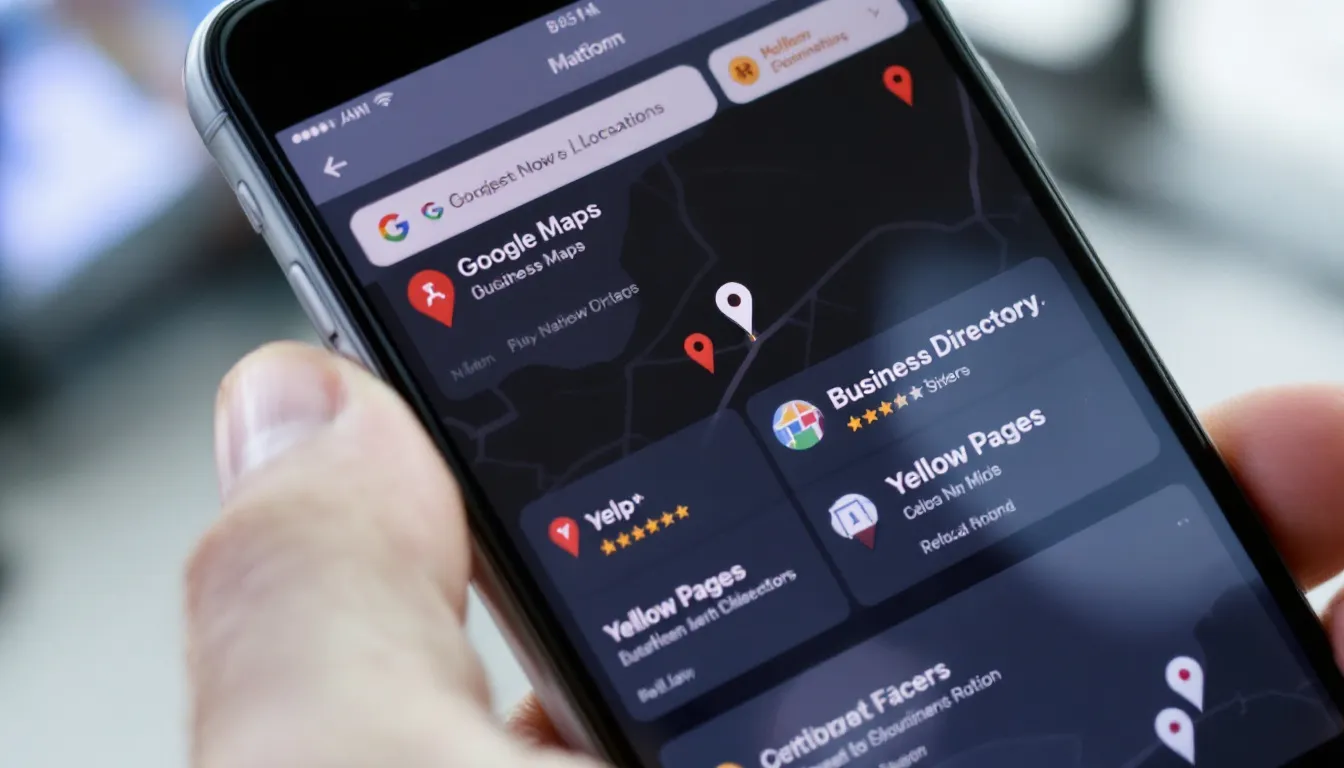
Essential Terms in Listing Management
Core Definitions and Terminology
Listing management is the process of creating, updating, and managing your business information across online directories and systems. At the heart of it is NAP consistency—ensuring your business Name, Address, and Phone number are the same everywhere your business appears online.
Citations are any mention of your business information on the web, whether on directory sites, social media systems, or review sites. These differ from business listings, which provide comprehensive business profiles with hours, services, photos, and customer reviews. Data aggregators serve as central hubs that distribute your business data to hundreds of smaller directories, thereby expanding your reach across the web.
Local listing management services maintain consistency at scale by utilizing listing management tools to automate updates and monitor changes. Understanding these differences helps you navigate the complex world of online business presence.
How Listing Management Impacts Local SEO
Consistent business listings affect your search ranking on Google, Bing, and other search engines. When search algorithms see matching business info across multiple sources, they trust your data more, and you get more presence in regional search results. To further strengthen your online visibility, you can also leverage social media management to drive business success, ensuring your brand remains active, consistent, and credible across all major platforms.
Google Business Profile is the foundation of local SEO, but your presence goes beyond Google. Voice search and AI-powered search results utilize structured business data from multiple sources to provide answers to consumer questions.
The connection between listing management and local rankings is a multiplier – better listings lead to more presence, which in turn results in more customer interactions and increased local search authority.
Why Listing Management Matters for Today’s Businesses
Local businesses are fighting for attention, so accurate information across the web is crucial to survival. Studies show 93% of consumers search online for local companies, and 88% trust online reviews as much as personal recommendations from friends and family.
Inconsistent business info costs companies big time. Research indicates that businesses with managed listings experience 7% higher revenue growth compared to those with conflicting information. The financial impact is even greater for companies with multiple locations, where a single mistake can be replicated across hundreds of listings. Brands with multiple locations require custom listing management solutions to maintain consistency and efficiency at scale.
Mobile search exacerbates these challenges, as consumers are increasingly searching on the go. When potential clients encounter misleading information—such as closed business hours, incorrect addresses, or disconnected phone numbers—they often switch to competitors with accurate and up-to-date listings.
Key Performance Metrics and Comparison Table
These metrics demonstrate the tangible business impact of professional listing management, with improvements visible across all key performance indicators that drive local business success.
Listing Management Step by Step
Step 1: Audit Your Current Online Presence
Start your listing management journey with a comprehensive audit of your online presence. Search your business name, address, and phone number on Google, Yelp, Facebook, and industry directories. Document every appearance and note inconsistencies in basic information, hours, or details.
Utilize tools like Google Search Console and free citation trackers to identify and address overlooked listings. Track systems, info status, and update priorities in a spreadsheet to understand the scope of work and focus on high-impact directories. For deeper insights into how customers perceive your brand during this process, consider using sentiment analysis for customer service, which can help you align listing accuracy with customer expectations and improve overall trust.
Watch for duplicate listings, as they confuse search engines, split reviews, and weaken rankings. Detecting and removing them is crucial for establishing a more substantial online presence.
Step 2: Standardize and Optimize Business Info
Create a master data sheet with consistent business info across all systems. Keep your business name consistent everywhere, paying close attention to address details such as suite numbers and formatting.
Use one main phone number across top directories, even if you track others for marketing. Ensure website URLs direct users to the correct landing pages with proper redirects for a seamless user experience.
Optimize discoverability by selecting accurate categories and using keyword-rich descriptions that accurately reflect the content. Select the most specific categories for your industry and place to enrich search relevance and maintain consistency across all platforms.

Step 3: Distribute and Monitor
Smaller businesses can manage fewer than 10 listings manually, but larger companies benefit from automated tools for bulk updates and real-time monitoring across platforms.
Set up ongoing monitoring to catch unauthorized changes, duplicates, or policy updates. Review listings weekly for high-traffic places and monthly for others.
Track key metrics, such as search presence, click-through rates, and conversions, to measure ROI and inform optimization strategies. Consistent data enriches performance and demonstrates the value of listing management, providing complete control over updates.
Google Business Profile Management
Google Business Profile is central to local listing management, enabling businesses to control their online presence in search results and on Google Maps. Active management ensures that clients always see accurate details, such as address, contact number, hours, and services, thereby building trust and attracting more local clients.
A well-maintained profile highlights key business features, enables review responses, and prevents outdated information that can cause missed opportunities. Whether for a single location or multiple locations, keeping listings accurate on Google maximizes your presence and makes it easier for clients to choose your business. To take this a step further, companies can utilize sentiment data analysis to gain a deeper understanding of customer emotions, strengthen engagement strategies, and foster trust through data-driven decision-making.
Setting Up and Optimizing Your Google Business Profile
The first step in local listing management is setting up and optimizing your Google Business Profile. Claim and verify your location, ensuring that your business name, address, and contact number match those in other directories for consistency and credibility.
Enrich your profile with photos, a clear description, and updated service details. Utilize a listing management tool to update multiple directories from a single dashboard, saving time and ensuring accuracy with full automation across platforms.
Review your profile regularly to ensure your location, contact information, and hours are up to date. Keeping it current enriches local search rankings and facilitates easier customer connections.
Leveraging Google Features for Maximum Impact
Google Business Profile features can boost your local search presence and attract more customers. Use Google Posts or a GBP post scheduler to share updates, promotions, and events that keep your business visible and drive traffic.
Encourage reviews and respond quickly to build trust and improve local rankings. Positive feedback increases presence and influences customer decisions.
Add photos and videos to showcase your business and engage potential customers. Utilizing these features entirely enriches presence, engagement, and drives sales growth.
Enhancing Customer Experience Through Listings
Exceptional customer experience begins with accurate, up-to-date business listings. When customers easily find your location, hours, and contact details, they trust your brand and are more likely to choose your services. Consistent listing management reduces confusion, builds confidence, and helps you maintain consistency across all channels.
Utilize social media management and reputation management tools to track feedback, respond promptly to reviews, and consider customer suggestions. This proactive approach boosts your reputation and resolves issues. It encourages repeat business. For businesses seeking to further enhance their digital image, exploring best practices for online reputation repair can provide effective strategies to recover from setbacks and establish long-term trust.
Listing management is an ongoing process—regular updates ensure accuracy and relevance. Tools make it easier to manage multiple directories, improving local search visibility, driving more traffic, and increasing sales. With the right strategy, you can enhance your online presence, gather valuable insights from customer interactions, and stay competitive.
Common Listing Management Mistakes to Avoid
Critical Errors That Damage Local Search Performance
The biggest mistake in listing management is inconsistent NAP details across platforms, which confuses search engines and reduces trust. Even slight variations, such as “13 Main St.” vs. “123 Main Street,” can negatively impact rankings and frustrate customers.
Duplicate or fake listings also damage visibility by splitting reviews and misleading customers. Ongoing monitoring and quick removal are essential for protecting your brand.
Avoid a “set and forget” approach. Update hours, phone numbers, and services promptly across all platforms to ensure accuracy, maintain trust, and promote customer satisfaction.
Case Study on Driving Growth with Accurate Business Listings
Transforming Visibility Through Strategic Listing Management
A 45-region restaurant chain faced significant challenges with inconsistent business listings across online directories. Initial audits revealed that 60% of their regions had incorrect information, including outdated hours, wrong phone numbers, and missing menu details, across major platforms such as Google Business Profile, Yelp, and industry-specific directories.
The implementation process required six months of systematic listing management, starting with data standardization and duplicate removal. The chain invested in automated listing management tools to ensure consistent updates across all regions, while maintaining local customization for unique region features, such as outdoor seating or delivery zones.
Results exceeded expectations: online visibility increased by 300%, foot traffic rose by 150%, and customer complaints about incorrect information dropped by 85%. The investment in professional listing management generated a 400% return within the first year, demonstrating the powerful impact of accurate, consistent business data across the web.
Essential Listing Management Tools and Platforms
Citation Builders and Automated Distribution
Modern businesses use listing management tools to save time and ensure consistency. Citation builders like BrightLocal automate submissions to directories and provide detailed reporting.
Yext offers enterprise-level management with real-time synchronization across hundreds of platforms, making it ideal for multi-location or complex businesses.
For small to medium-sized businesses, Moz Local and Whitespark focus on high-impact directories and ROI tracking, striking a balance between affordability and effective listing management.
Monitoring and Sync Technology
Active sync technology delivers real-time updates and monitoring across platforms. It detects unauthorized changes and restores correct info instantly, protecting against malicious edits and platform errors.
Duplicate detection algorithms continuously scan for conflicts and unauthorized profiles. Advanced platforms automate suppression, removing duplicates without manual work.
Alert systems notify you of key changes—such as negative reviews, hours updates, or contact changes—so you can respond quickly, protect your reputation, and maintain accurate customer communication.

Multi-Location Business Challenges
Franchise and Corporate Location Management
Multi-location businesses must strike a balance between consistency and local flexibility. Centralized management ensures brand consistency, while regional managers handle updates such as temporary hours or promotions.
Role-based access and approval workflows allow oversight without sacrificing flexibility.
For 100+ locations, scalability is key—robust automation, bulk management, and integration with POS or CRM systems streamline data flow and minimize errors.
Bulk Management Strategies
Efficient bulk management requires standardized data formatting and systematic update processes. CSV import/export capabilities enable large-scale changes while maintaining data integrity and consistency across all locations. Proper formatting prevents errors that could cascade across hundreds of listings simultaneously.
Quality control measures become essential when managing large volumes of business data. Automated validation rules catch common errors before distribution, while manual review processes ensure accuracy for critical changes to information. This dual approach strikes a balance between efficiency and reliability for enterprise-scale operations.
Directory Ecosystem and Platform Prioritization
Major Platforms and Data Aggregators
Google Business Profile dominates local search, making it the highest priority for any listing management strategy. Optimization extends beyond basic NAP information to include Google Posts, photos, Q&A sections, and review management. Regular updates and engagement signals help improve local rankings and customer interaction.
Facebook business pages serve dual purposes as social media platforms and local directories, requiring consistent information that matches your other listings. Apple Maps has gained significant importance with iPhone users, while Bing Places captures market share in specific demographics and regions.
Data aggregators like Foursquare and Factual automatically distribute your information to hundreds of smaller directories. Maintaining accurate data with these primary sources creates a ripple effect that improves consistency across the entire web ecosystem.
Industry-Specific Directories
Healthcare businesses must maintain a presence on specialized platforms like Healthgrades, WebMD, and Vitals, where patients specifically search for medical professionals. These directories often require additional verification and compliance with healthcare regulations, necessitating specialized management approaches.
Automotive businesses benefit from listings on Cars.com, AutoTrader, and DealerRater, which serve car shoppers actively researching their next purchase. These platforms emphasize inventory information, pricing, and customer reviews, requiring integration with dealership management systems.
Restaurants need comprehensive coverage across OpenTable, Grubhub, DoorDash, and other food service platforms. Menu information, delivery areas, and real-time availability become crucial listing elements that directly impact sales and customer satisfaction.
Monitoring and Maintenance Workflows
Effective listing management requires systematic monitoring and maintenance schedules that identify and address issues before they impact your business. Weekly monitoring focuses on high-priority platforms, including Google Business Profile and major review sites, to ensure a rapid response to customer feedback and unauthorized changes.
Monthly comprehensive audits examine all business listings for consistency, completeness, and accuracy. These reviews catch gradual data drift and identify new directories where your business should maintain a presence. Quarterly strategic reviews assess overall performance and identify opportunities for optimization, helping your business stay consistent in the long run.
Staff training and responsibility assignment ensure the stable execution of listing management tasks. Clear protocols for updating information, responding to reviews, and handling duplicate listings prevent confusion and maintain professional standards across your team.
Cost-Benefit Analysis of Listing Management
Investing in professional listing management tools and services yields measurable returns through increased visibility, enhanced customer acquisition, and improved operational efficiency. Small businesses typically see 3-5x ROI within six months, while enterprises with multiple locations often achieve 5- 10x returns through enhanced operational efficiency.
Tool costs range from $20 to $ 50 monthly for basic services to $500+ for enterprise solutions, but the manual management time investment often exceeds these costs when calculated at fair wage rates. The risk assessment of poor listing management includes lost customers, damaged reputation, and decreased search visibility—costs that far exceed the investment in professional tools.
Budget allocation recommendations suggest dedicating 2-5% of marketing budgets to listing management for optimal results, with higher percentages appropriate for businesses heavily dependent on local search traffic.
Future Trends in Listing Management
Artificial intelligence and machine learning continue advancing listing management automation, with predictive algorithms identifying potential issues before they occur. These technologies will enhance duplicate detection, automate content optimization, and provide increasingly sophisticated performance analytics.
Voice search optimization requirements will drive demand for more detailed, conversational business information that answers specific customer questions. Smart speaker integration will require structured data that supports natural language queries about business hours, services, and availability.
Privacy regulations and data management compliance will increasingly impact how businesses collect, store, and share their information across various platforms. Understanding these evolving requirements ensures long-term success in listing management while protecting customer data and business interests.
Building Confidence by Owning Your Online Business Presence
Effective listing management requires accuracy, consistency, and ongoing updates across all environments. The five essentials are NAP consistency, regular monitoring, focus on high-impact directories, duplicate management, and performance tracking.
Optimized listings provide a significant advantage in local search, helping attract more consumers and drive business growth. Businesses that utilize professional tools consistently outperform those with outdated or inconsistent data, thereby gaining complete control over their online presence. Additional insights can be found in this guide on creating and managing local listings, which further emphasizes the importance of accuracy and consistency in local SEO.
Key solutions include automation with listing management tools, citation builders for directory coverage, and review monitoring to protect and maintain a positive reputation. Together, these systems create a strategy for sustained growth.
Begin by conducting an audit of your online presence and selecting tools that align with your business’s size and complexity. Whether managing one location or hundreds, systematic listing management optimizes accessibility, fosters customer trust, and provides you with full control while yielding measurable results. Accurate listings ensure consumers find and choose your business.
Frequently Asked Questions About Listing Management
Q1: How long does it take to see results from listing management?
Most businesses see improved search accessibility within 2–4 weeks, with full benefits realized in months as search engines index stable information across multiple environments.
Q2: What’s the difference between citations and listings?
Citations are mentions of your business information anywhere online, while listings are complete business profiles on directories that customers can interact with through reviews, photos, and detailed information.
Q3: How many directories should I be listed on?
Focus on 20–50 high-authority directories relevant to your industry and location for optimal results, prioritizing major search engines like Google and industry-specific sites.
Q4: Can I manage listings myself, or should I hire a service?
Small businesses can start manually, but companies with multiple locations benefit significantly from professional listing management tools and services that ensure consistency and save time and resources.

