- Discover the top 10 free review platforms that can boost your business’s reputation management and online visibility.
- Understand how customer reviews influence buyer decisions and why managing reviews strategically is essential for growth.
- Learn practical tips on leveraging review platforms effectively to build trust, increase social proof, and drive conversions.
Top 10 Free Review Platforms Every Business Should Be Using
Online reviews are no longer optional. They are a primary trust signal for potential buyers evaluating your business. A strong review management strategy supports reputation management, improves online visibility, and builds measurable social proof that drives conversions.
Below are 10 of the best free review platforms businesses can use — along with strategic insight into how each one contributes to long-term brand growth, including how ReputationPrime helps integrate these platforms effectively.
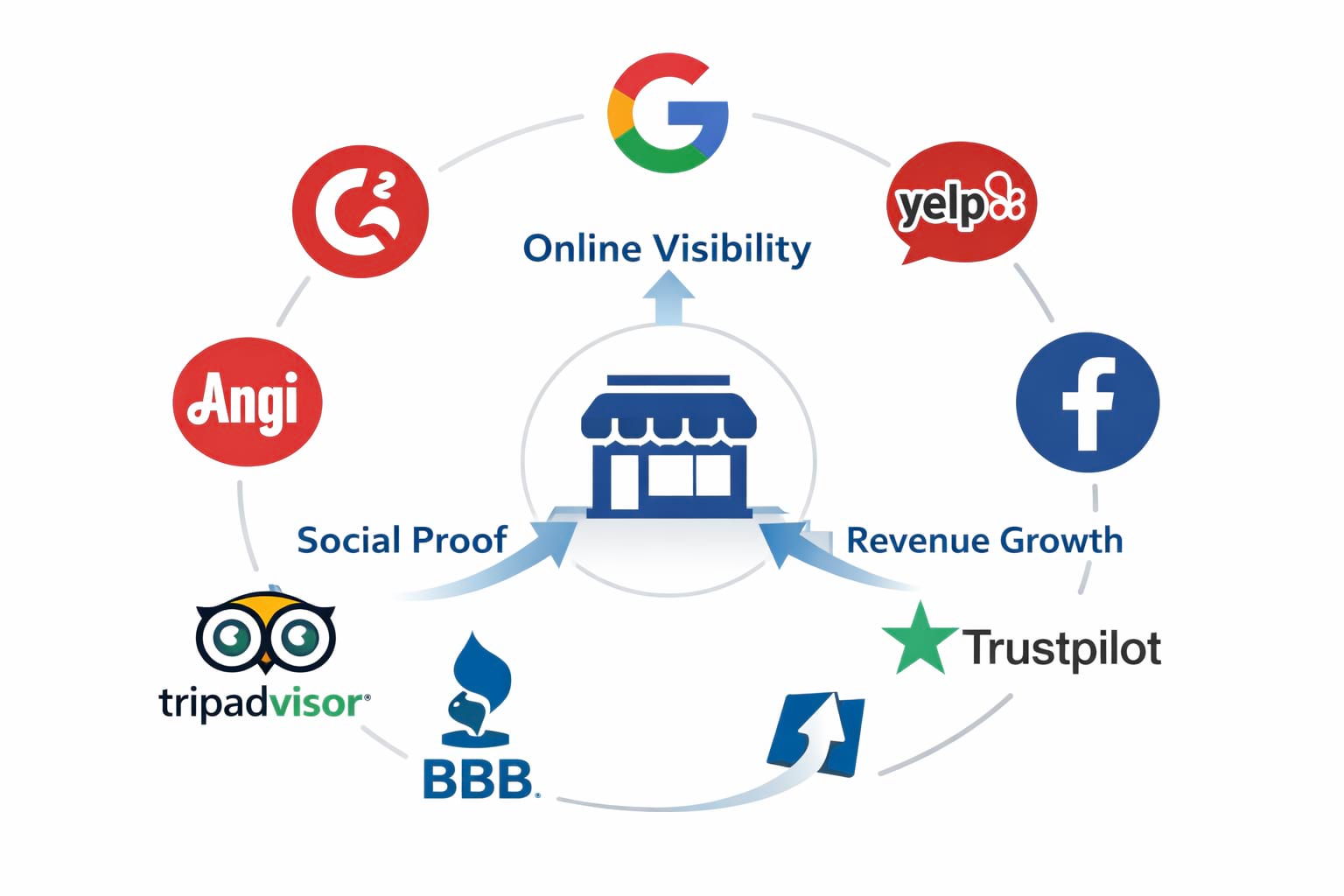
Why a Free Review Platform Matters for Reputation Management
A free review platform gives businesses structured, public-facing social proof. It allows customers to validate your credibility without you having to say a word.
How Social Proof Influences Potential Buyers
Research consistently shows that buyers trust peer reviews more than advertising, which is why monitoring major online reputation websites is critical. A BrightLocal consumer survey found that most consumers read online reviews before choosing a local business. Reviews reduce perceived risk. They shorten decision cycles. They validate trust.
Without consistent review collection, even strong businesses appear invisible.
1. Google Business Profile – The Foundation of Online Visibility
Google Business Profile (formerly Google My Business) is the most important free review platform for local businesses.
Reviews here directly impact:
- Local search rankings
- Map Pack placement
- Click-through rates
- Conversion behavior
Why Google Reviews Directly Impact Search Performance
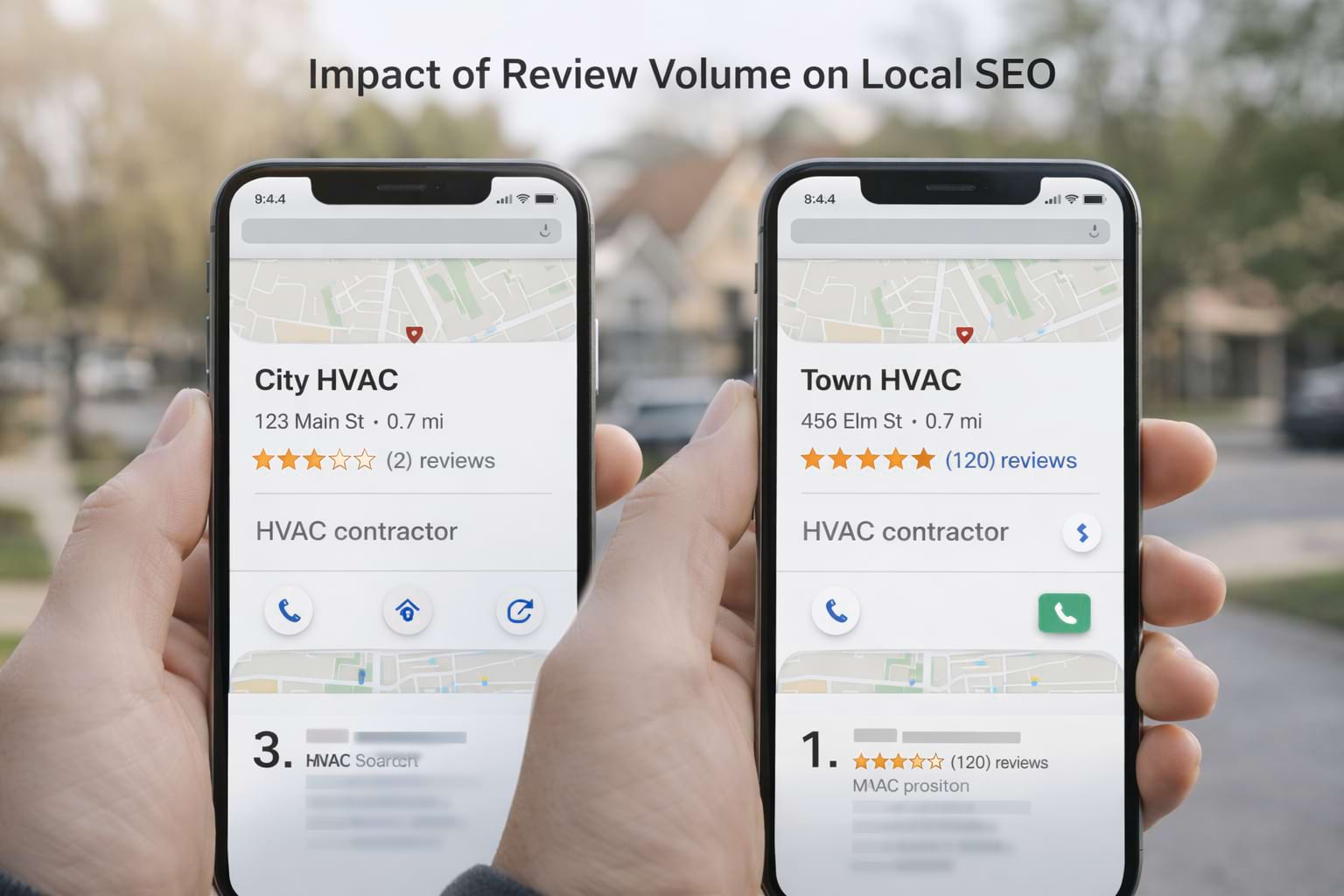
Google’s algorithm evaluates review volume, recency, and sentiment as trust signals, insights often explored in authoritative articles on online reputation management. A steady stream of positive reviews improves local SEO and increases online visibility.
Example:
A regional HVAC company increased review velocity from 2 per month to 18 per month using automated review collection. Within 90 days, they moved from position #7 to #2 in local search results, increasing inbound calls by 34%.
Reputation management begins with Google.
2. Yelp – A Free Review Collection Tool for Local Service Brands
Yelp remains influential across industries such as hospitality, home services, restaurants, and medical practices.
Is Yelp Still Relevant for Small Businesses?
Yes — especially in metro markets.
Yelp reviews often rank independently in Google search results, a key factor in effective small business reputation management. Even if customers do not use Yelp directly, your Yelp page may appear on page one of Google when potential buyers research your brand.
Ignoring Yelp does not eliminate it from your digital footprint.
3. Facebook Reviews Leveraging Social Proof Where Customers Already Engage
Facebook (Meta) allows businesses to collect recommendations directly on their Business Page.
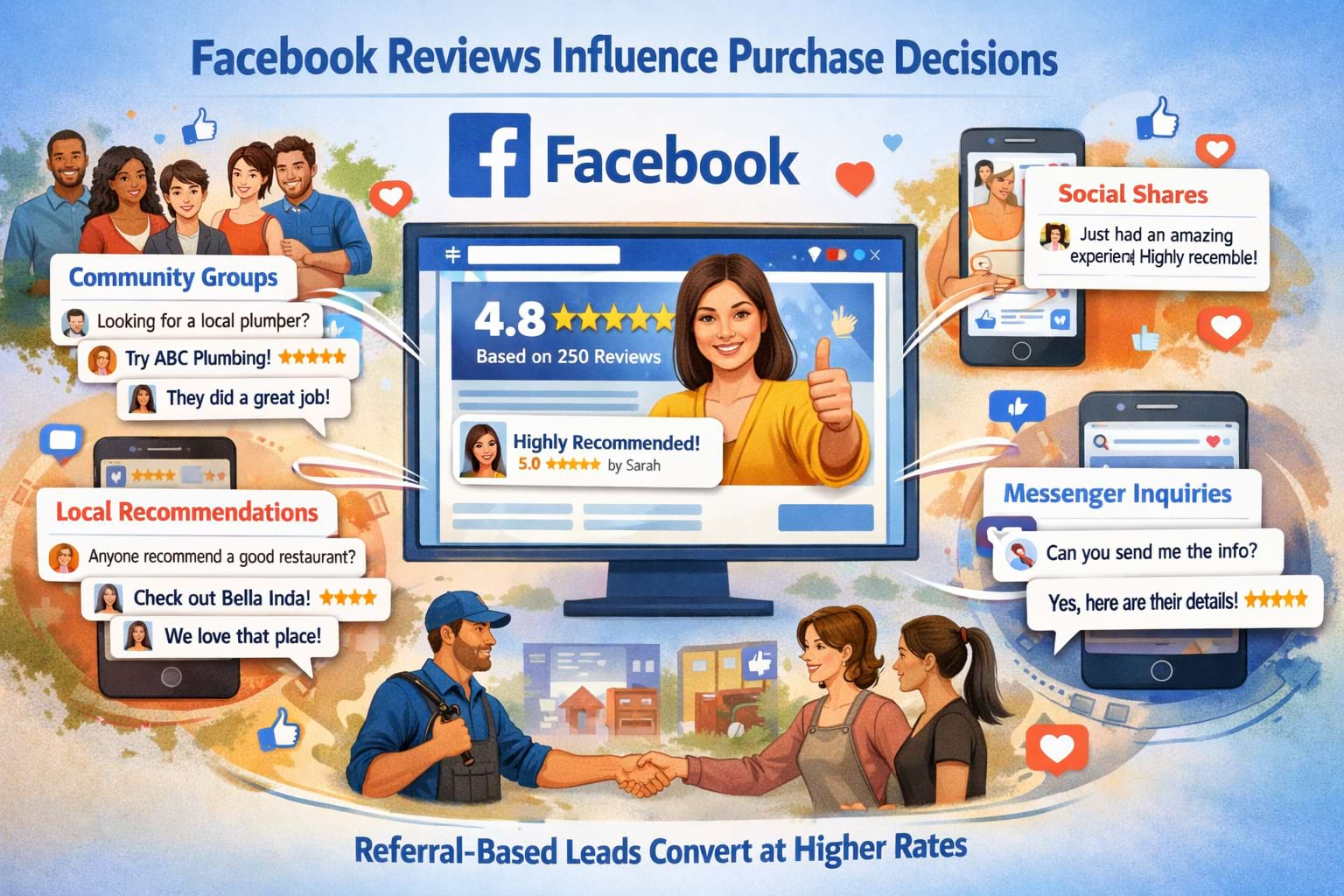
How Facebook Reviews Influence Purchase Decisions
Facebook reviews are highly visible in:
- Community groups
- Local recommendations
- Social shares
- Messenger inquiries
Because users are already logged into their social network, review engagement feels natural and immediate.
For service providers, Facebook recommendations often generate referral-based leads that convert at higher rates than paid advertising.
4. Trustpilot – A Scalable Review Collection Platform for E-Commerce
Trustpilot is widely recognized in the e-commerce and SaaS industries.
It allows businesses to:
- Collect verified customer reviews
- Display review widgets on websites
- Syndicate ratings in search results
When Should Businesses Upgrade from Free to Paid Plans?
The free version allows review collection and public listing. As review volume increases, businesses often upgrade to automation, analytics, and integration tools, especially after learning how you can check your digital reputation.
Case Study:
An online retail brand integrated Trustpilot into its checkout email flow. Review collection increased by 240% within six months, and product page conversions improved by 18% due to visible social proof.
5. TripAdvisor – Industry-Specific Reputation Management for Travel and Hospitality
TripAdvisor is essential for:
- Hotels
- Resorts
- Tour operators
- Restaurants
- Experience-based businesses
Why Reviews Are Critical in Travel Decisions
Travel decisions involve high emotional and financial investment. Potential buyers rely heavily on peer experiences before booking.
A property with consistent 4.5-star reviews and active management responses will outperform a similar property with outdated or unmanaged listings.
In hospitality, review management directly impacts revenue per available room (RevPAR).
6. Better Business Bureau (BBB) – Authority-Based Social Proof
The Better Business Bureau provides a credibility layer rooted in longevity and transparency in dispute resolution.
Does BBB Accreditation Improve Buyer Confidence?
For certain industries — finance, home services, legal services — BBB ratings significantly influence trust.
Consumers evaluating high-ticket services often check BBB profiles before committing.
While not a traditional “review-first” platform, BBB ratings act as institutional social proof.
7. Angi (Formerly Angie’s List) – Review Collection for Home Services
Angi remains influential in the contractor, remodeling, plumbing, and home improvement sectors.
How Reviews Reduce Risk in High-Ticket Services
When projects involve thousands of dollars, buyers rely on detailed reviews describing:
- Quality of work
- Professionalism
- Timeline adherence
- Communication
Platforms like Angi provide structured feedback that helps potential buyers feel confident before requesting quotes.
8. G2 – A Free Review Platform for SaaS Reputation Management
For software companies, G2 is one of the most powerful free review platforms available.
G2 rankings influence:
- B2B purchase decisions
- Investor perception
- Enterprise procurement
- Brand authority in competitive markets
How Software Buyers Use Reviews Before Signing Contracts
B2B buyers compare:
- Feature satisfaction
- Ease of implementation
- Customer support ratings
- ROI feedback
A SaaS company with strong G2 reviews builds credibility before the first sales call.
Many buyers research independently before contacting sales teams. Reviews shape that perception.
9. Sitejabber – A Free Platform for Genuine Customer Reviews
Sitejabber is a free review platform that helps users find trustworthy businesses and services by collecting authentic customer feedback.
Why Sitejabber Matters for Reputation Management
Sitejabber focuses on genuine reviews, enabling businesses to build trust with potential buyers through verified user experiences. It is particularly useful for online retailers and service providers looking to improve their social proof and online visibility.
Businesses can easily manage reviews, respond to customer feedback, and showcase positive experiences to attract more customers.
10. Podium – A Comprehensive Review Management Tool for Multi-Channel Engagement
Podium is a powerful review management platform that helps businesses collect, manage, and respond to customer reviews across various channels, including Google, Facebook, and more.
Why Choose Podium for Review Management?
Podium offers:
- Automated review requests via SMS and email
- Centralized dashboard for monitoring reviews from multiple platforms
- Real-time notifications to address negative feedback quickly
- Integration with CRM and marketing tools
- Tools to enhance customer engagement and improve online reputation
While Podium offers paid plans, its free tier provides valuable tools to help businesses streamline review collection and improve customer interactions.
Why Free Review Platforms Are Not Enough for Reputation Management
While each free review platform offers value, fragmentation creates risk.
Businesses often struggle with:
- Inconsistent review collection
- Slow response times
- Missed negative feedback
- Lack of review velocity
- No centralized monitoring

How ReputationPrime Transforms Review Collection into a Growth System
ReputationPrime connects review platforms into a structured reputation management strategy.
Instead of passively waiting for reviews, businesses can:
- Automate review collection after transactions
- Monitor sentiment in real time
- Increase review velocity
- Strengthen online visibility across search engines
- Build structured social proof at scale
Manual review management does not scale. Strategic automation does, especially when guided by a structured reputation builder framework. When review collection becomes consistent, reputation management shifts from reactive damage control to proactive brand building.
The Strategic Advantage of a Free Review Platform
Free review platforms provide the infrastructure. Strategy determines results.
When businesses:
- Increase review frequency
- Maintain consistent responses
- Diversify review sources
- Monitor public perception
- Integrate automation tools
They improve search rankings, strengthen social proof, and influence potential buyers before the first conversation. A free review platform ensures reputation is no longer word of mouth; it is searchable, measurable, and scalable.
If you want to turn free review platforms, like the major business review sites, into a structured reputation management system that drives real online visibility and revenue growth, ReputationPrime provides the strategy, automation, and oversight to make it happen. Your reviews are already shaping buyer decisions. The question is whether you are managing them strategically — or leaving growth to chance.
FAQs About Free Review Platforms
Q1: What is a free review platform?
A free review platform is an online service that allows businesses to collect, manage, and display customer reviews at no cost. These platforms help build trust, increase credibility, and improve online visibility by showcasing authentic customer feedback.
Q2: Why are customer reviews important for my business?
Customer reviews act as powerful social proof. Positive feedback builds credibility, improves search engine rankings, and influences purchasing decisions. Even negative reviews provide valuable insights that can help you improve products, services, and customer experience.
Q3: How can I encourage customers to leave reviews?
You can encourage reviews by requesting feedback shortly after a purchase, simplifying the review process with direct links, and sending polite reminders. Automated review management tools can streamline this process and increase response rates.
Q4: Can I manage reviews from multiple platforms in one place?
Yes. Many reputation management tools allow you to centralize review monitoring across platforms like Google, Yelp, Facebook, and Trustpilot. This makes it easier to track, respond to, and analyze feedback from a single dashboard.
Q5: Are negative reviews harmful to my business?
Negative reviews can feel discouraging, but they also present an opportunity. Responding professionally shows accountability and strong customer service. Addressing concerns publicly can actually strengthen trust and demonstrate your commitment to improvement.
Q6: How does online reputation management impact business growth?
Effective reputation management boosts online visibility, attracts more potential buyers, and strengthens brand loyalty. By leveraging customer feedback as actionable insights, businesses can refine their offerings and build a trustworthy market presence that drives sustainable growth.
Q7: What types of businesses benefit most from free review platforms?
Nearly all businesses benefit, especially local service providers, e-commerce stores, hospitality brands, SaaS companies, and high-ticket service industries. Reviews reduce buyer risk and increase confidence across virtually every sector.
Q8: Can I use free review platforms for e-commerce products?
Yes. Platforms such as Google Reviews and Trustpilot are ideal for collecting product feedback, helping customers make informed purchasing decisions, and boosting sales through visible social proof.
Q9: How do I choose the best free review platform for my business?
Select platforms based on your industry and where your customers are most active. Local businesses should prioritize Google Business Profile and Yelp, while SaaS companies often benefit from platforms like G2. Using multiple platforms along with a centralized management tool often delivers the best results.
Q10: Is it possible to respond to reviews on free platforms?
Yes. Most free review platforms allow businesses to respond publicly to reviews. Prompt, thoughtful responses enhance credibility, demonstrate engagement, and show customers that their feedback matters.