

- Discover the importance of online reviews websites and how they influence customer decisions and business reputation.
- Learn about major general and industry-specific review platforms to effectively manage and grow your online presence.
- Explore practical strategies for generating positive reviews, handling negative feedback, and leveraging reputation management tools for long-term success.
Why Online Assessment Websites Matter for Every Modern Business
Online assessment websites are digital platforms where customers share feedback about businesses through star ratings and written comments. They’ve become crucial for modern venture success. Consumers actively seek out evaluations and ratings on these platforms to make informed order decisions. These evaluation sites now influence 95% of order decisions, making them essential resources for attracting new clients and building reliability in your local market. Learn more about enhancing your brand’s credibility through Wikipedia services.
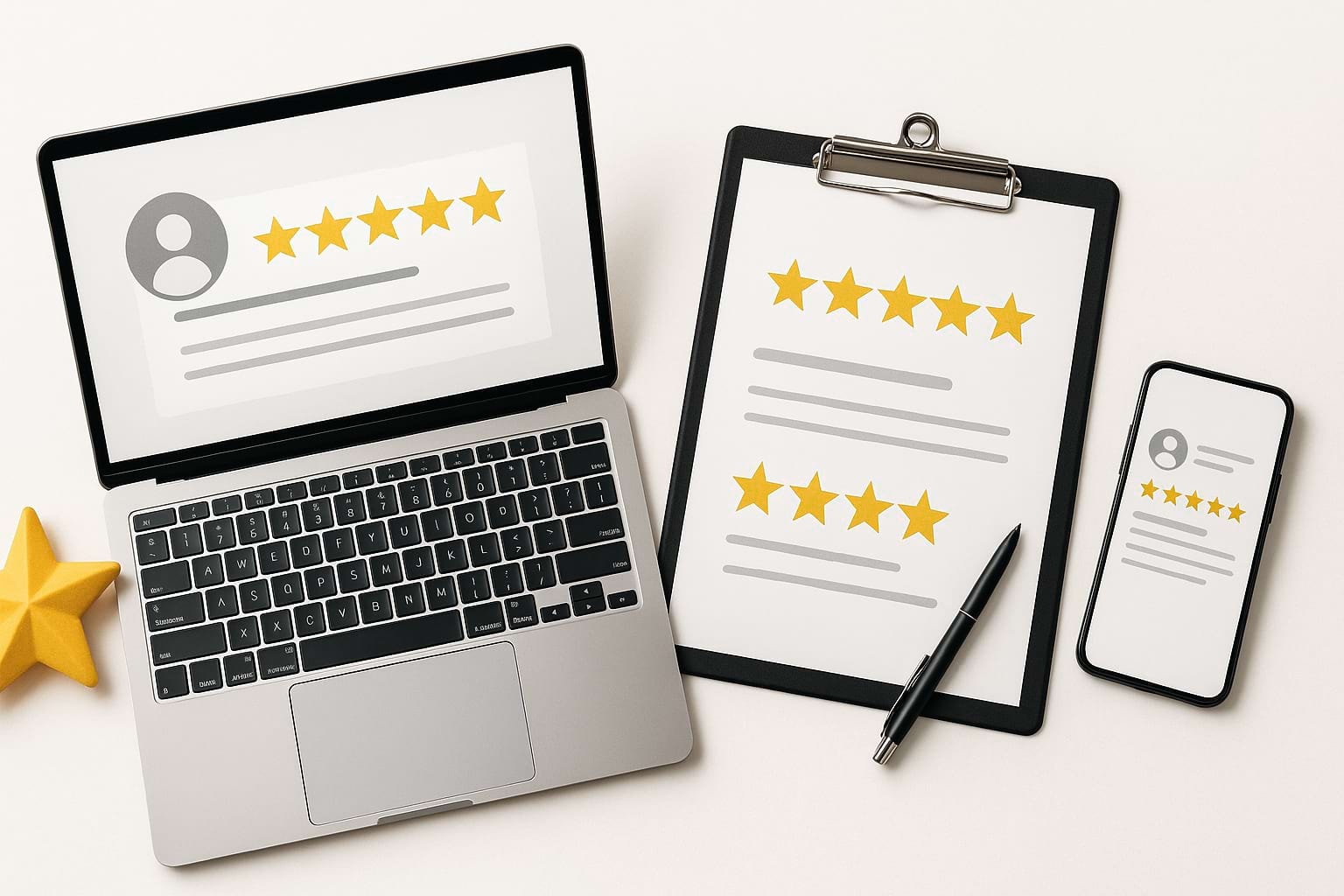
How Digital Reviews Help Your Business Succeed
This guide helps small venture owners, contractors, restaurant managers, and home service professionals improve their online reputation through major review channels like Google Venture Profile, Yelp, and other sector-specific sites. It focuses on practical, actionable steps to earn positive digital reviews, manage customer feedback effectively, and strengthen your presence on top review sites. Positive feedback can boost local company revenue by 5–25%, while negative feedback can drive audiences to competitors. Mastering online reputation management is essential for long-term growth and visibility in today’s digital marketplace.
What You’ll Learn:
- How to choose the right business review websites for your sector
- Proven strategies to generate more positive customer feedback
- Professional techniques for handling negative reviews
- Industry-specific channels that drive actual company growth
Understanding Online Assessment Websites
Online assessment websites are digital channels where audiences voluntarily share experiences and rate businesses using star ratings and written feedback. These channels create a transparent marketplace where potential audiences can make informed decisions based on real customer experiences rather than just company marketing claims. Many digital review websites also function as an online directory, organizing and displaying company information and reviews for easy access. For instance, some platforms even cater to car buyers, helping them compare dealerships, vehicle quality, and client satisfaction before making major acquisition decisions.
The rating process typically works like this: after a customer completes an acquisition or requests assistance, they can visit a review website to rate their experience from one to five stars and share details about what they liked or disliked. Some channels allow users to privately message the organization to resolve concerns or clarify feedback before posting a public review, creating more constructive communication between both parties. Other customers online then read these reviews before deciding whether to hire that organization or visit that restaurant.
For local companies, these channels function as modern word-of-mouth recommendations that work 24/7. Unlike traditional referrals between friends, digital reviews allow your satisfied audiences to influence hundreds of potential customers they’ve never met by offering advice on products, assistance, or overall experiences.
Types of Review Platforms
General channels serve all organization types and include Google Company Profile, Facebook, and Yelp. These sites allow any organization to claim listings and collect client feedback regardless of sector. Google Company Profile, for example, appears directly in search listings when someone searches “plumber near me” or “restaurants in downtown.” Many platforms also allow chain establishments to manage their locations individually or as one brand, offering flexibility for reputation monitoring and unified branding across multiple locations. Additionally, platforms often provide specific filters so consumers can refine their searches based on detailed criteria, such as insurance acceptance or cleanliness. Further information on managing reviews to build brand trust and customer satisfaction can be found in the Guide to Managing Reviews.
Industry-specific channels focus on particular sectors like TripAdvisor for restaurants and tourism, Angi for local assistance, or Healthgrades for healthcare providers. Angie’s List is another reliability review channel dedicated to local service providers, known for its robust review system, membership options, and quality assurance measures like background checks and complaint resolution. These specialized sites often carry more weight with customers because reviewers are verified customers within specific industries. Each site also showcases information differently—some highlight ratings, others emphasize detailed written experiences—to help users compare organizations effectively.
This connects to reputation monitoring because understanding channel types helps organization focus their review strategy where customers actually search for assistance, rather than spreading efforts too thin across irrelevant sites. Channels also continually update their review guidelines to eliminate spam, ensuring that posted feedback reflects genuine customer experiences.
How Review Ratings Work
Most assessment sites use a one-to-five-level system combined with written comments that provide detailed customer experiences. The star rating gives a quick visual summary, while written reviews offer specific information about assistance quality, pricing, and client satisfaction.
Many channels limit users to one review per organization to ensure authenticity and prevent spam.
Review volume and recency significantly affect how an organization appears in search listings. Search channels favor organizations with recent reviews and higher total review counts when determining which companies to show first in local search listings.
Building on channel types, different sites may use varying verification methods—some require proof of buy while others allow any user to leave feedback—but all platforms aim to advance marketplace trust through authentic customer experiences. The review feature is crucial for building trust and transparency by allowing users to share feedback and rate the organization.
Transition: Understanding these foundational concepts helps explain why specific channels have become essential for organizational growth.
Major Review Platforms Every Business Should Know
Every organization owner should establish a presence on general review channels before moving to sector-specific sites, as these platforms receive the most internet traffic and offer greater customer visibility. Getting listed on these platforms is a simple process of submitting your business information, which helps increase your visibility to potential audiences.
These channels also try to provide uniform search results so users get consistent and reliable information across all business listings.
Google Business Profile (GBP)
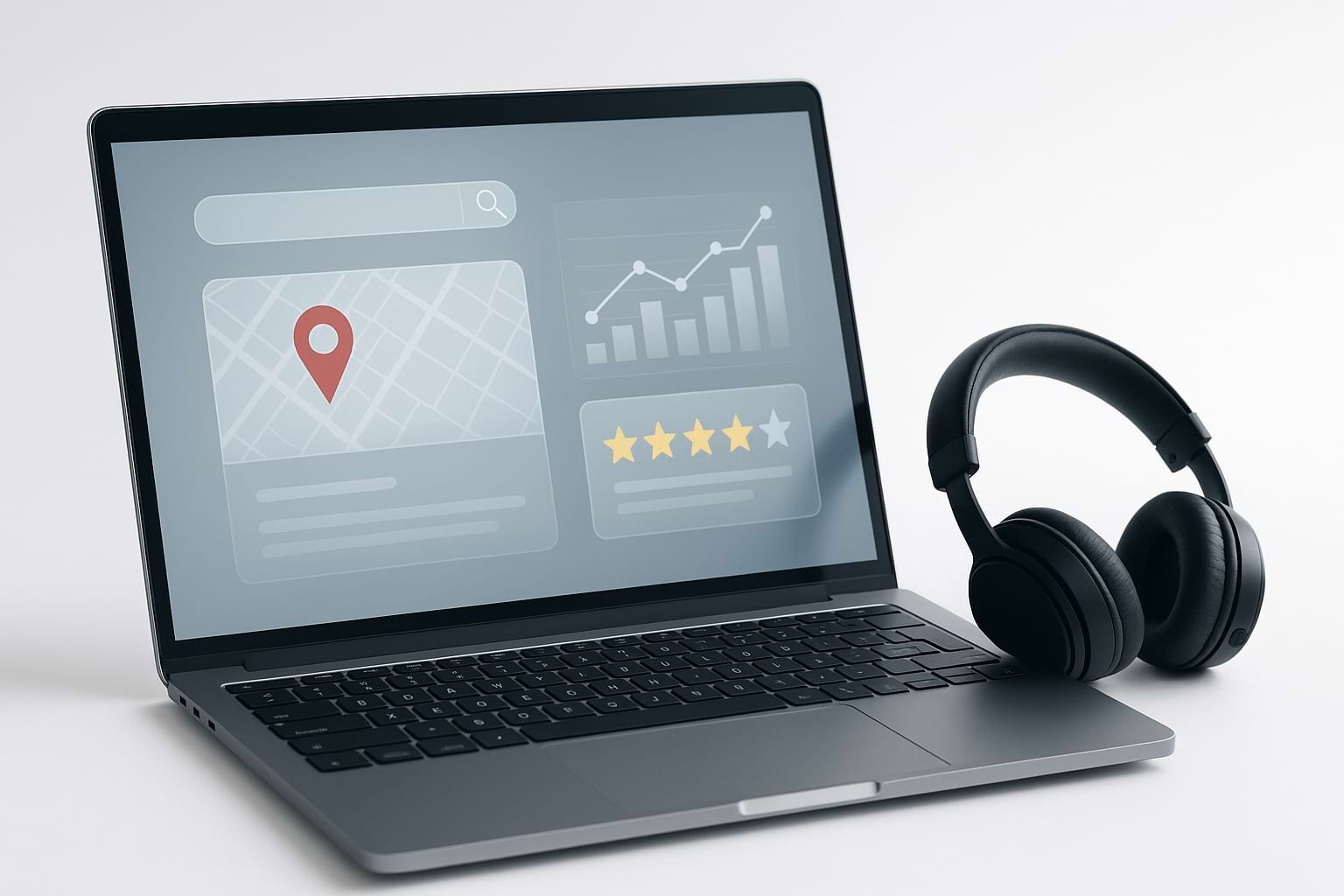
Google Company Profile is Google’s free business listing tool that shows information about your business right in search results and Google Maps. When audiences search for assistance in your area, your GBP listing shows up with your business hours, photos, contact information, and customer reviews all in one place. GBP listings also provide additional information such as business details, hours, and pictures, which helps to build trust and visibility. Google also offers location-based insights so businesses can understand local consumer behavior and tailor their services accordingly. Learn more about building a sustainable review monitoring framework here.
GBP evaluations are essential because they show up immediately when audiences search for local assistance. Unlike other web listings that require separate visits, Google feedback appears right where audiences make their buying decisions. This integration with the world’s most popular search channels makes GBP the gold standard for local organization visibility.
Take Tony’s Plumbing in Denver, for example. After improving their Google feedback from 3.2 to 4.6 stars through consistent customer follow-up, they gained 15% more audience in 6 months. The improved ratings helped them show up higher in local search results and get more phone calls and assistance requests.
Facebook Reviews
Facebook has a recommendation system where audiences either recommend or don’t recommend your business, rather than giving star ratings. This binary system feels more decisive to potential clients reading evaluation.
Facebook pages appear high in search channel results, so even if audiences don’t search on Facebook itself, many small businesses find their page appears on the first page of Google when people search for their business name.
Unlike Google Company Profile, Facebook reviews allow more visual content, like customer photos and longer customer stories. The social aspect allows audiences to see if their friends have reviewed a business, adding an extra layer of trust through personal connections. And Facebook allows potential clients to message businesses privately for more personalized questions, a direct and private way to communicate beyond public evaluation.
Yelp
Yelp is a discovery platform where audiences are actively searching for local businesses, especially restaurants and solution providers. The algorithm favors businesses with recent evaluations over total review count, so ongoing customer engagement is key.
Yelp’s filtering system removes spam by only showing evaluations from established Yelp users, which means not all evaluations are public immediately. Yelp also allows users to report reviews that violate guidelines so the platform can address inappropriate or spammy content. This creates both challenges and opportunities – while it may reduce your total visible review count, the evaluations that do show up are more credible to audiences.
Yelp differs from Facebook by focusing solely on business evaluation rather than social networking, so audiences seek local solutions instead of browsing social content.
Key Points:
- Google’s Company Profile reaches audiences when they search for a solution
- Facebook shows up in general web searches
- Yelp shows up to audiences actively searching for local businesses
Transition: While these general channels are for all businesses, industry-specific evaluation sites can influence audiences even more.
Industry-Specific Review Websites That Drive Business
Specialized review platforms often carry more weight with audiences than general evaluation sites because they attract users who are specifically seeking solutions in your sector and understand the specific criteria ratings that matter most.
Home Services Review Platforms
Angi (formerly Angie’s List) is a subscription-based channel where homeowners find contractors, electricians, plumbers, and other local solution professionals. The channels require membership fees from users, typically attracting more serious audiences who are ready to hire rather than just browse.
Better Business Bureau (BBB) is a non-profit organization that rates businesses from A+ to F based on factors including complaint resolution, business practices, and client feedback. A business’s accreditation status is determined by meeting specific standards set by the BBB, and the BBB page for your business publicly displays past complaints and their resolution history. This transparency helps build trust with audiences who value third-party validation. Only business owners can claim and manage their business listings on these channels, giving them control over their business information. Additional guidance on effective, cost-efficient social media management can be found here.
HomeAdvisor and Thumbtack connect homeowners directly with local solution professionals through lead generation systems. These channels allow audiences to request quotes and read verified reviews from previous clients who used similar services.
Some local solution review platforms offer paid marketing features, such as advertising and enhanced listings, to help businesses reach a larger audience.
Sarah’s House Cleaning increased its bookings by 40% after maintaining a 4.8+ star rating across these local solution channels. The key was to consistently follow up with audiences and ensure that every completed job resulted in positive evaluations across multiple platforms.
Restaurant and Hospitality Platforms
TripAdvisor is the leading channel for restaurants, hotels, and tourist attractions with global reach. The channel is particularly valuable for businesses that serve travelers or tourists, as audiences often plan dining and activities through TripAdvisor’s recommendations.
Zomato is a restaurant-specific channel that integrates menus, photos, and ordering capabilities alongside customer evaluations. The channels work well for local dining establishments that want to showcase their food and attract nearby audiences.
When to use these channels depends on your customer base: TripAdvisor works best for tourist-facing businesses, while Zomato serves local dining establishments that want to be discovered by neighborhood residents.
Healthcare and Professional Services
Healthgrades and Vitals are channels where patients review doctors, dentists, and medical practices. These sites require verification of actual patient relationships, making reviews more credible but also more challenging to generate in volume.
Avvo specializes in attorney reviews and legal solution ratings, allowing clients to evaluate lawyers based on peer recommendations and case results. The channels include professional credentials alongside client evaluations.
Unlike general channels, these specialized sites carry more credibility because reviewers are a verified audience in specific industries, and the review features focus on criteria that actually matter to potential clients in those fields.
Transition: Understanding the right channels helps, but generating positive reviews requires addressing common challenges all business owners face.
Reputation Management Tools Every Small Business Should Know
In today’s digital world, managing your brand reputation is no longer optional—it’s a necessity for small businesses that want to build trust and credibility with their audience. With digital reviews appearing across multiple channels and influencing order decisions, reputation monitoring resources have become essential for businesses looking to stay ahead.
Reputation monitoring resources are designed to help small businesses monitor, track, and respond to client evaluations from various evaluation sites, all in one place. Additional details on effective online reputation monitoring practices can be found in the Guide to Online Reputation Management. Instead of manually checking each review website, these tools aggregate reviews, alert you to new evaluations, and even provide templates for professional responses. This saves valuable time and ensures that no customer comment goes unnoticed.
Many reputation monitoring channels also offer features to help generate more positive digital reviews. For example, you can automate requests for client evaluations after a solution is completed, making it easier to collect reviews and consistently boost your business’s online presence. Some resources provide analytics and reporting, giving you insights into customer sentiment, review trends, and areas for improvement—so you can make informed decisions to enhance client satisfaction.
For small businesses, using reputation monitoring tools means you can quickly address negative ratings, highlight positive evaluations, and maintain a consistent brand image across all review sites. This proactive approach not only helps you build reliability with potential audiences but also strengthens your business’s reputation in the eyes of search engines, leading to better visibility and more internet traffic.
Whether you’re just starting or looking to streamline your rating process, investing in the right reputation monitoring resources can make a significant difference. Additional guidance on mastering online reviews is available in the Ultimate Guide to Mastering Online Reviews. By staying on top of your digital reviews and client evaluations, you’ll be better equipped to grow your business and stand out in a competitive marketplace.
Common Challenges and Solutions
Managing digital reviews presents similar challenges regardless of business size or sector, but proven solutions can help any business owner build a stronger brand reputation.
Challenge 1: Getting Customers to Leave Reviews
Solution: Immediately ask satisfied audiences to complete feedback after solution completion, provide direct links to review channels, and follow up with simple email reminders to make the review process as easy as possible.
The key is timing—audiences are most motivated to leave positive evaluations within 24-48 hours of a great experience. Create a system where you ask for reviews during the natural conclusion of your solution, whether that’s payment completion, project walkthrough, or meal conclusion.
Maria’s Restaurant increased its reviews by 300% by asking audiences to leave evaluations during payment and providing a QR code that links directly to its Google Company Profile. They also follow up with a simple text message two days later for audiences who seemed particularly satisfied.
Challenge 2: Managing Negative Reviews
Solution: Respond professionally within 24 hours, acknowledge the customer’s concern, offer to resolve the issue offline, and demonstrate to potential audiences that you care about solution quality and client satisfaction.
Use this template approach: “Thank you for your evaluations. We take all concerns seriously and would like to make this right. Please call us at [phone number] so we can resolve this issue directly.” This demonstrates professionalism by shifting the conversation away from the public review platform.
Remember that your response to negative ratings often influences potential audiences more than the original complaint. A professional, caring response can actually enhance your reputation even when addressing criticism.
Challenge 3: Choosing the Right Review Platforms
Solution: Start with Google Company Profile and Facebook as your foundation, then add 1-2 industry-specific platforms where your audiences actually search for services rather than trying to maintain a presence everywhere.
Focus your strategy on excelling at 3-4 platforms rather than having a weak presence across 10+ sites. Monitor where your competitors receive the most reviews and where audiences in your sector typically research businesses before making purchasing decisions.
For local service providers, prioritize Google Company Profile, Better Business Bureau, and Angi. For restaurants, focus on Google, Yelp, and TripAdvisor if you serve tourists. Healthcare providers should emphasize Google, Healthgrades, and any relevant medical specialty platforms.
Transition: With the right strategy and consistent effort, review management becomes a powerful engine for business growth.

Turning Digital Reviews into Long-Term Business Growth
Online review sites have changed how audiences find and choose local businesses, so professional reputation monitoring is key to long-term growth. Success is about consistent effort across the right platforms, not sporadic attention to client evaluations.
The businesses that thrive in today’s digital world treat digital reviews as part of their customer service strategy, not an afterthought. By choosing the right review sites for your sector, systematically asking for positive reviews, and professionally handling concerns, you can build a digital reputation that drives new business.
Get started:
- Claim and optimise your Google Company Profile with correct hours, professional photos, and full contact details.
- Identify 2-3 industry-specific review platforms where your audience researches services before making an order.
- Create a system to ask satisfied audiences to leave a review within 24 hours of service completion.
- Set up monitoring tools to track new evaluations across all platforms and respond to both positive and negative ratings.
Ready to Take Control of Your Online Reputation?
Building a presence across multiple review platforms takes time and expertise. Suppose you’re a business owner seeking professional help with managing your digital reviews, requesting more positive reviews, and strategically responding to reviews. In that case, ReputationPrime can help local businesses turn their online reputation into a competitive advantage.
Related: Review response strategies, local SEO optimisation, and reputation management tools for small businesses.
FAQs About Online Review Sites
Q1: Why are online review sites important for my business?
Online review sites influence up to 95% of purchasing decisions by showcasing authentic customer experiences and ratings. They help build credibility, strengthen your online reputation, and boost your business’s visibility in search results.
Q2: Which review sites should I focus on for my business?
Begin with major platforms like Google Business Profile, Facebook, and Yelp. Then, add one or two industry-specific sites relevant to your niche—such as Angi for home services or TripAdvisor for hotels and hospitality.
Q3: How do I get audiences to leave reviews?
Encourage customers to leave reviews immediately after a positive experience. Share direct links or QR codes to your review pages, and follow up with polite reminders via email or text within 24–48 hours to make the process simple and timely.
Q4: How do I handle negative reviews?
Respond promptly and professionally. Acknowledge the concern, apologize if appropriate, and offer to resolve the matter offline. Addressing criticism respectfully shows commitment to customer satisfaction and can even improve your reputation.
Q5: Can I manage reviews across multiple sites?
Yes. Reputation management tools allow you to view, respond to, and analyze feedback from multiple review platforms in one dashboard. This saves time and ensures a consistent, unified brand voice across all channels.
Q6: Are all reviews verified?
Verification depends on the platform. Some sites require proof of purchase or service before allowing reviews, while others are open to public submissions. Verified reviews carry more trust and can strengthen your business credibility.
Q7: How often should I check and respond to feedback?
Check for new reviews daily or at least weekly. Thank customers for positive feedback and address negative comments quickly before issues escalate. Active engagement demonstrates professionalism and care.
Q8: Will more reviews help my search engine ranking?
Yes. Search engines reward businesses with a steady flow of recent, positive reviews. Consistent engagement and strong ratings can improve your local SEO ranking, increase web traffic, and attract more potential customers.

