- Discover the top 7 reputation management software platforms that help businesses monitor online reviews, strengthen local SEO, and drive revenue.
- Understand key features such as AI-powered sentiment analysis, competitive insights, unified platforms, and automated review solicitation.
- Learn how reputation management tools impact brand consistency, customer trust, and competitive positioning across multiple digital channels.
Top 7 Reputation Management Software That Drives Trust and Revenue
Your online reputation is shaping buying decisions long before a customer contacts you.
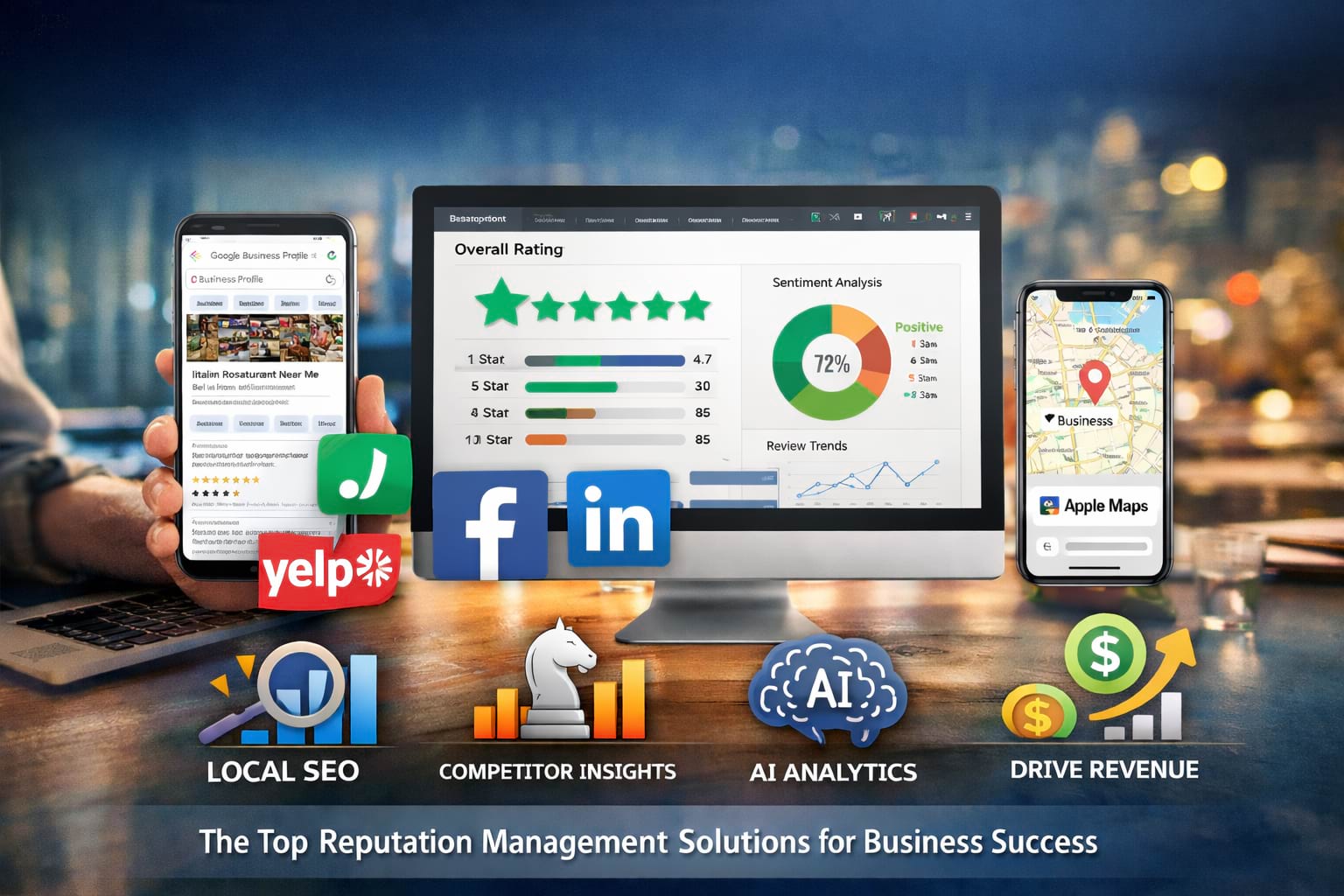
From Google Business Profile and Yelp to Trustpilot, Facebook Reviews, LinkedIn, and Apple Maps, your brand reputation is being evaluated across multiple digital channels every day, making comprehensive business reputation management services essential. The best reputation management software doesn’t just monitor reviews — it also strengthens local SEO, delivers competitive insights, supports brand consistency, provides AI-powered analysis, and helps drive revenue from a single platform.
Below are the 7 best reputation management software platforms businesses rely on today — and what makes them stand out.
1. Reputation.com – Enterprise Brand Reputation and Competitive Intelligence
Reputation.com is one of the most established enterprise-level platforms in the industry.
Why It Stands Out
- Multi-location management
- Competitive intelligence dashboards
- AI-powered sentiment analysis
- Integration with Google, Yelp, Facebook, and healthcare review platforms
Best For
Large enterprises, healthcare systems, automotive groups, and hospitality brands are managing dozens of locations.
Reputation.com focuses heavily on measurable brand reputation metrics tied to operational performance.
2. Birdeye – Local SEO and Review Generation at Scale
Birdeye is widely adopted by small and mid-sized businesses focused on local search growth.
Core Strengths
- Automated Google review requests
- Listings management for brand consistency
- Competitive insights benchmarking
- AI-powered review response suggestions
Real-World Application
Dental practices and medical clinics often use Birdeye to improve Google Business Profile visibility and increase review velocity, strategies closely aligned with the comprehensive guide to advancing local search visibility with local SEO listings, directly impacting local SEO performance.
3. Podium – Messaging-Driven Reputation Management Software
Podium blends review generation with customer communication tools.
Why Businesses Choose Podium
- SMS-based review requests
- Unified inbox across digital channels
- Google and Facebook review monitoring
- Payment and communication integrations
Ideal For
Home service companies, dealerships, and contractors rely heavily on mobile customer interaction.
Podium’s strength lies in quickly converting conversations into reviews.
4. ReviewTrackers – Deep Competitive Insights and Analytics
ReviewTrackers focuses heavily on competitive intelligence and advanced reporting.
Notable Capabilities
- Location-based sentiment tracking
- Competitor comparison dashboards
- AI-powered review categorization
- Integration with Google Analytics and CRM systems
Best Use Case
Brands that want to move beyond monitoring and into a structured reputation strategy backed by competitive insights, using the best ways to track brand mentions in AI search.
5. Yext – Brand Consistency Across Every Digital Channel
Yext is known for controlling business listings across major platforms.
Why Brand Consistency Matters
Inconsistent data across:
- Apple Maps
- Bing Places
- Yelp
can damage local search rankings and reduce trust.
What Yext Does Well
- Listings synchronization
- Directory management
- Knowledge Graph optimization
- Structured data distribution
For multi-location brands, Yext strengthens brand consistency at scale.
6. BrightLocal – Affordable Local SEO and Reputation Monitoring
BrightLocal is a popular solution for agencies and local businesses.
Key Features
- Google review monitoring
- Local search rank tracking
- Citation audits
- Competitive local SEO analysis
Common Pairings
Agencies often combine BrightLocal with SEMrush, HubSpot, and Google Analytics for full marketing visibility. BrightLocal is ideal for businesses focused primarily on local SEO performance.
7. ReputationPrime – Strategy-First Reputation Management in One Platform
ReputationPrime goes beyond traditional management software.
Why It’s Different
- Strategy-first implementation
- AI-powered insights layered with expert oversight
- Competitive intelligence integration
- Unified monitoring across digital channels
- Revenue-focused reporting
- Local SEO strengthening
- Brand consistency alignment
Built For
Business owners and marketing leaders who want measurable ROI — not just review alerts — often focus on proven strategies for how to restore company reputation. Rather than simply offering management software, ReputationPrime aligns brand reputation strategy with long-term revenue growth.
Why Brand Reputation and Brand Consistency Directly Impact Revenue
Brand reputation influences:
- Click-through rates on Google search results
- Local map visibility
- Conversion rates
- Customer acquisition cost
- Long-term trust positioning
A business with 4.7 stars on Google Business Profile consistently outperforms a competitor with 3.8 stars — even if pricing is higher. Brand consistency across digital channels reinforces credibility and reduces buyer hesitation.
Enhancing Local Search with Reputation Management Software
Effective reputation management software, especially when evaluated against the best review management software platforms for business growth, plays a crucial role in boosting local search performance by increasing review volume, ensuring accurate business listings, and automating review solicitation. By strengthening your presence in local search results, these tools help attract more nearby customers and improve overall brand visibility across key online directories.
How the Best Reputation Management Software Strengthens Local SEO
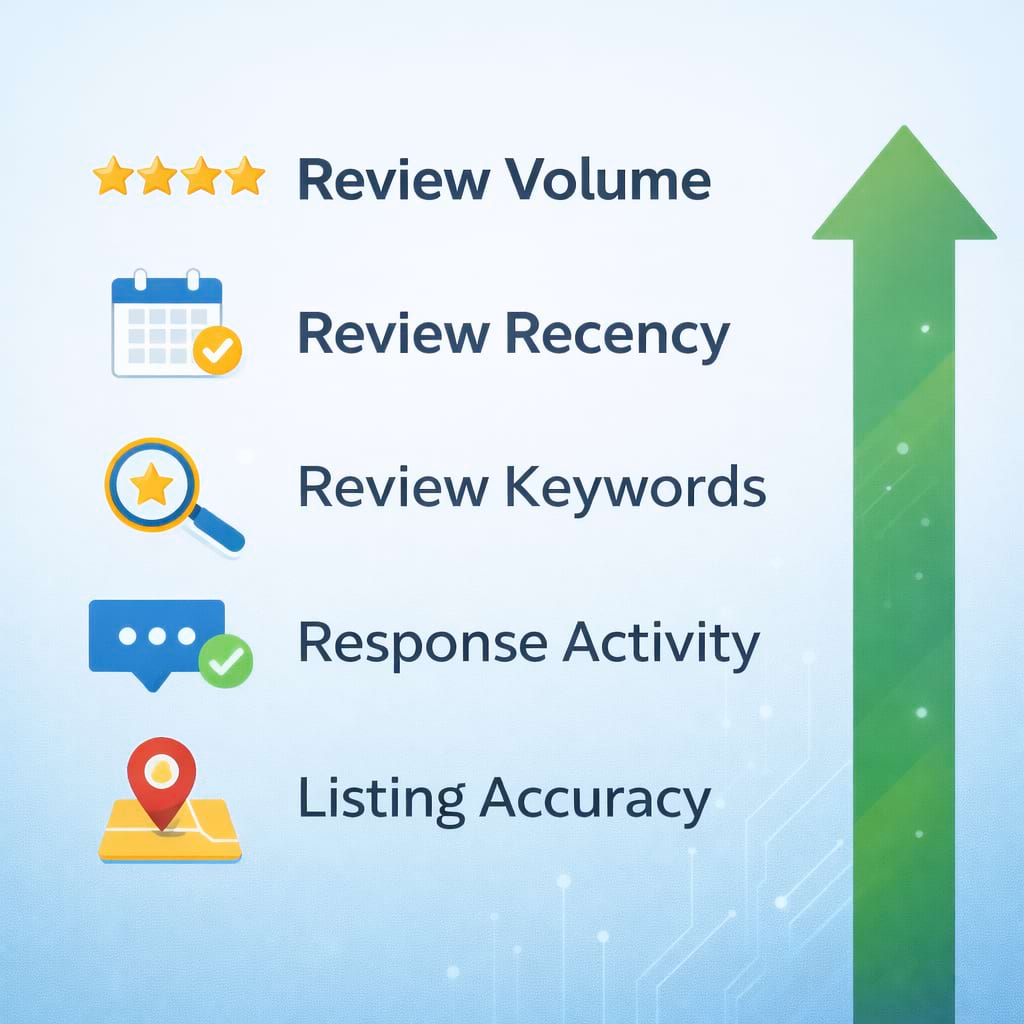
Local search is driven by:
- Review volume
- Review recency
- Review keywords
- Response activity
- Listing accuracy
Software that automates review acquisition and monitors competitive insights gives businesses an edge in Google’s local pack rankings. When local SEO improves, inbound calls and organic website traffic increase.
The Role of Competitive Intelligence in Modern Reputation Strategy
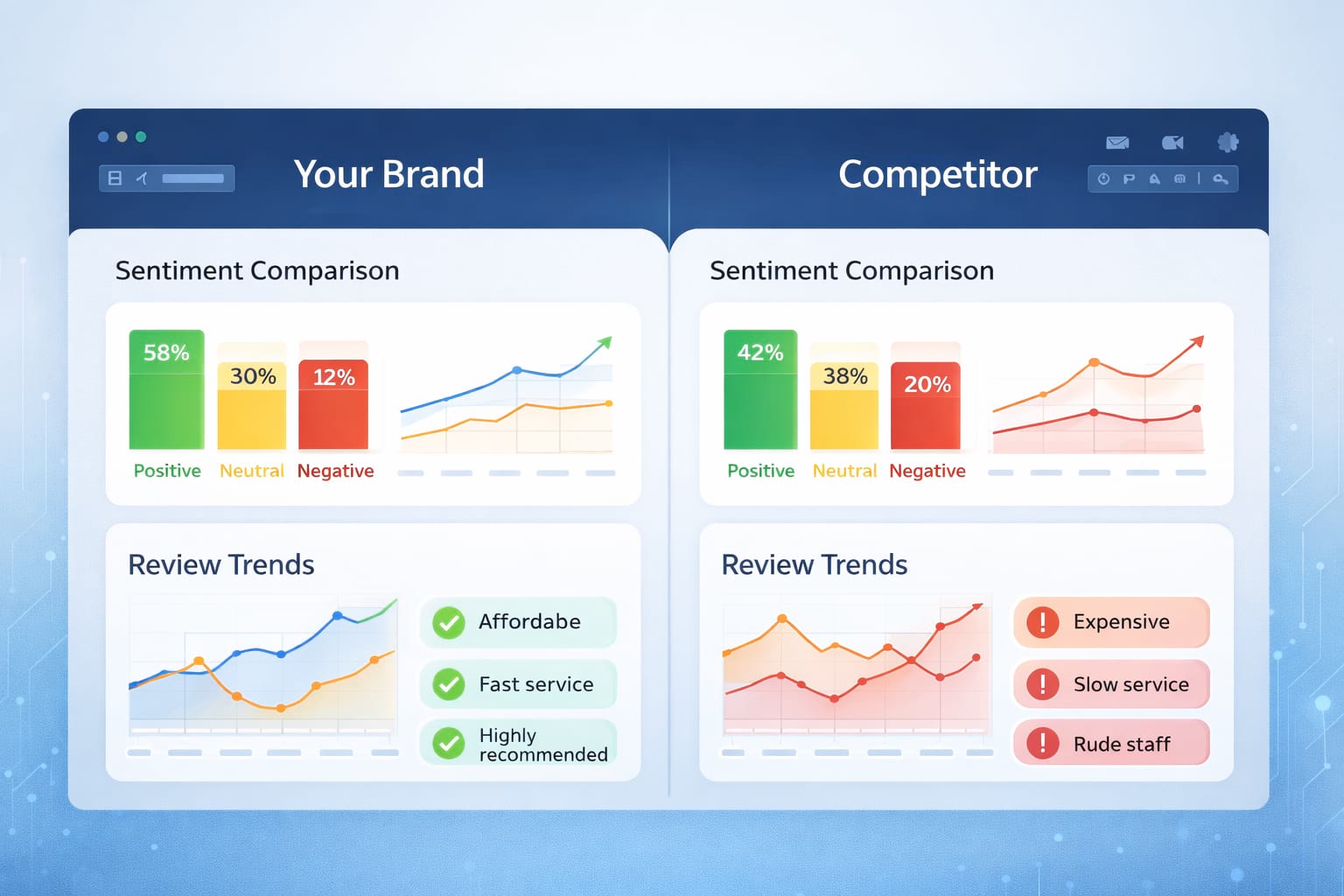
Competitive intelligence allows businesses to analyze:
- Competitor review trends on Yelp and Trustpilot
- Pricing complaints
- Customer experience gaps
- Service weaknesses
Platforms like SEMrush and Sprout Social offer additional brand-mention monitoring across digital channels. Reputation data becomes strategic market intelligence.
How AI-Powered Insights Are Transforming Reputation Management
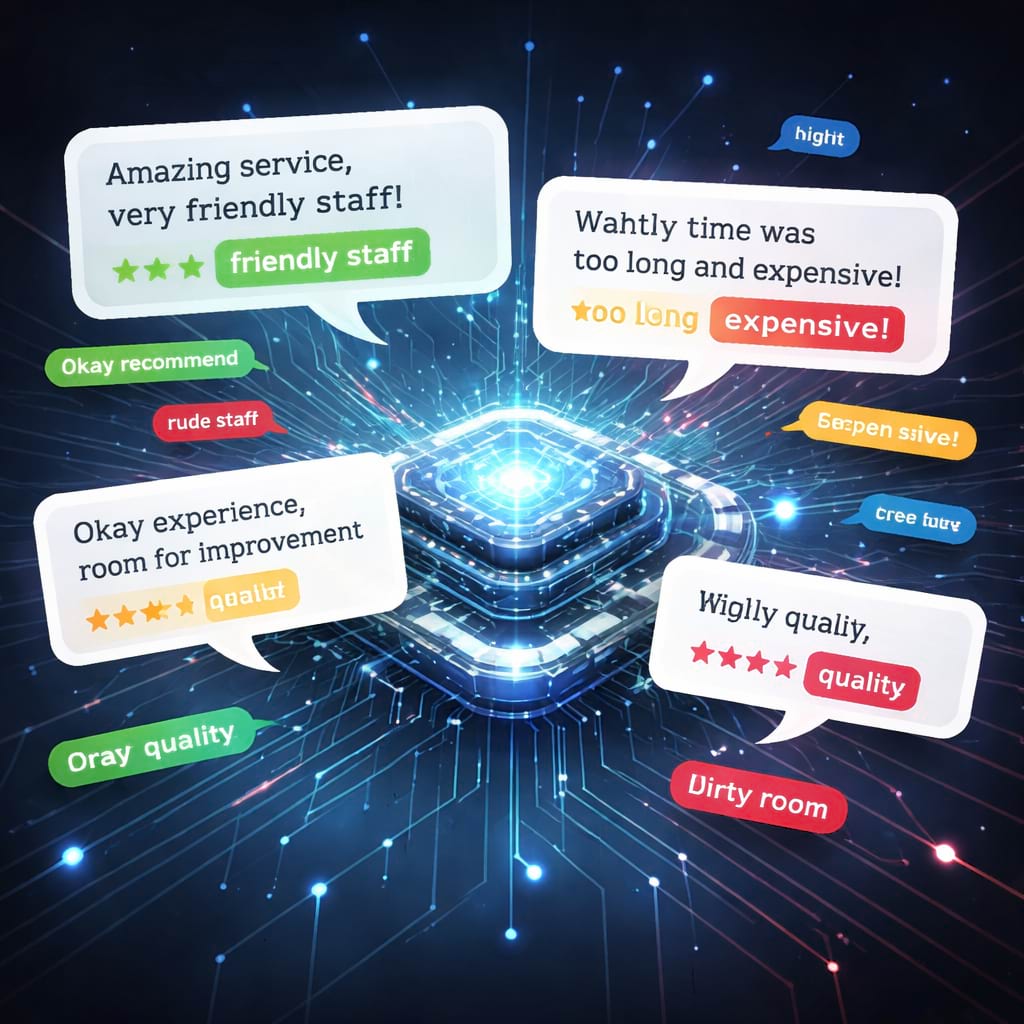
AI-powered platforms analyze sentiment patterns, detect anomalies, and identify operational weaknesses before they escalate.
Using advanced text analysis similar to OpenAI technologies, AI systems can:
- Flag recurring complaints
- Detect sudden negative sentiment spikes
- Identify competitive positioning opportunities
This shifts reputation management from reactive crisis control to proactive growth strategy.
Why One Platform Matters More Than Multiple Disconnected Tools
Managing Google, Yelp, Facebook, LinkedIn, and Trustpilot separately creates inefficiencies:
- Missed alerts
- Delayed responses
- Fragmented reporting
- Inconsistent messaging
The best reputation management software unifies digital channels into one platform for centralized visibility, accountability, and brand control.
The Right Reputation Management Software Drives Revenue Growth
When evaluating reputation management software, ask:
- Does it support brand consistency across digital channels?
- Does it strengthen local SEO?
- Does it provide real competitive insights?
- Is it AI-powered?
- Can it connect reputation performance to revenue growth?
Reputation is no longer a side metric. It is a revenue driver, especially when supported by modern online reputation management tools. The right system doesn’t just monitor reviews — it protects brand reputation, strengthens market positioning, and helps drive revenue at scale.
FAQs About Reputation Management Software
Q1: What is reputation management software?
Reputation management software is a digital platform that helps businesses monitor, manage, and enhance their online reputation. It centralizes reviews, brand mentions, and customer feedback from multiple channels into a single dashboard, allowing companies to respond quickly and gain strategic insights.
Q2: Why is reputation management important for businesses?
Your online reputation directly impacts customer trust, purchasing decisions, and local search visibility. Proactively managing reviews and brand mentions strengthens brand credibility, improves the customer experience, and supports long-term revenue growth.
Q3: How does reputation management software help with local SEO?
Leading platforms automate review requests, monitor local business listings, and track review volume and recency—key ranking factors in local search algorithms. These improvements can increase search visibility, inbound calls, and organic website traffic.
Q4: Can reputation management software integrate with other marketing tools?
Yes. Many solutions integrate with CRM systems, Google Analytics, SEO tools, and social media management platforms. These integrations provide unified reporting, deeper competitive insights, and streamlined marketing workflows.
Q5: What features should I look for in the best reputation management software?
Key features include review management, AI-powered sentiment analysis, competitive benchmarking, a unified inbox for responses, local listing management, and detailed analytics. A comprehensive platform that combines these capabilities helps maintain brand consistency and competitive advantage.
Q6: How can AI improve reputation management?
AI analyzes sentiment trends, detects unusual spikes in feedback, and identifies operational issues early. This enables businesses to move from reactive crisis management to proactive reputation-building strategies based on data-driven insights.
Q7: Are there reputation management solutions for specific industries?
Yes. Some platforms specialize in regulated industries like healthcare or complex multi-location enterprises. These solutions may include industry-specific integrations, compliance considerations, and advanced stakeholder sentiment tracking.
Q8: How do I choose the right reputation management software for my business?
Evaluate your business size, industry requirements, budget, and marketing goals. Consider whether you need multi-location management, strong local SEO support, or advanced analytics. The ideal platform should unify digital channels, automate review collection, and provide actionable intelligence to support growth.